
Pruning
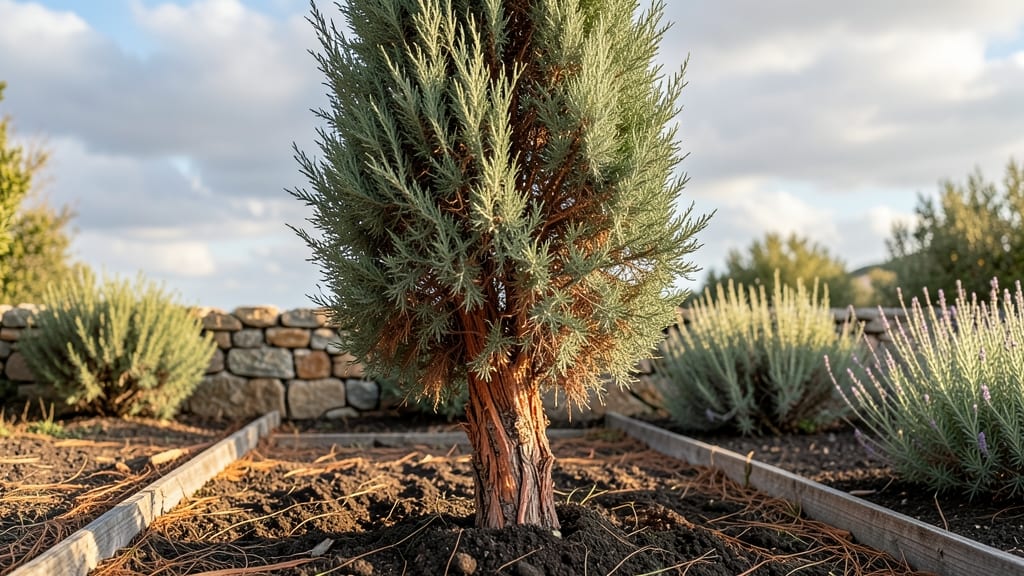
Proper Mediterranean cypress tree care turns your cold-climate specimen into a year-round showstopper—even when winter winds howl. 🌿 I’ve pruned these trees through three Colorado winters, and the secret isn’t just timing but how you shape them to... resist frost damage while keeping their signature columnar form.
The first cut determines whether your tree looks ragged by spring or stands tall and proud.
Most gardeners mess this up by pruning too late or too aggressively. The right approach means working in late winter (just as buds swell) and using sharp shears to make clean cuts at branch collars—not mid-branch where wounds fester.
Drought tolerance is built into these trees, but pruning wrong turns their tips brown and brittle. I’ll show you the exact technique that keeps them lush, even in Zone 5.
By summer, you’ll see the difference: dense, vibrant foliage that doesn’t shed like over-pruned trees do. The branches grow tighter, resisting wind damage, and the tree’s natural shape—narrow at the base, wide at the top—becomes even more striking.
No more patchy gaps or leggy growth. It’s the kind of transformation that makes neighbors ask, “How’d you do that?”
This method works for both Cupressus sempervirens and smaller varieties like ‘Tiny Tower.’ Whether you’re shaping a single specimen or a row of cypress as a living fence, the principles stay the same. Let’s get those shears ready—your tree’s best years start with the first cut.
📚 In This Guide
- What you need
- Instructions
- Tips and common mistakes
- Wrapping up and next steps
What you need
- ● Pruning shears: Bypass pruners (sharp, sterilized with rubbing alcohol) for small branches (<1 inch thick).
- ● Loppers: 1 pair (8–12 inch blades) for medium branches (1–2 inches thick).
- ○ Pruning saw: Curved-tooth saw (for branches >2 inches thick). Optional: Pole saw for hard-to-reach branches.
- ● Gloves: Heavy-duty, cut-resistant gloves (e.g., Mechanix Wear or similar).
- ● Disinfectant: 70% isopropyl alcohol or bleach solution (1 part bleach : 9 parts water) to sterilize tools between cuts.
- ○ Pruning sealant: Tree wound sealant (e.g., Tanglefoot Tree Wound Pruning Sealer) for large cuts (optional but helpful in cold climates).
- ● Ladder: Sturdy, extendable ladder (if tree is >8 feet tall). Safety first!
- ● Tarps or drop cloths: 1–2 large tarps to collect debris (e.g., 10x12 ft).
- ● Work bag: Durable bag to organize tools and debris.
- ● Cold-weather gear: Warm layers, insulated boots, and a face mask (if pruning in winter).
- ● Anti-desiccant spray: (e.g., Wilt-Pruf) to protect fresh cuts from winter drying (apply after pruning).
- ● Mulch: 2–3 inches of organic mulch (e.g., wood chips) to insulate roots post-pruning.
- ● ✅ Know your tree’s age: Mature cypress trees (10+ years) may need less aggressive pruning.
- ● ✅ Check local regulations: Some areas restrict pruning near power lines or require permits.
- ● ✅ Weather window: Prune on a dry, calm day (avoid frost or extreme cold).
- ● ✅ Safety brief: Clear a 10-foot radius around the tree and wear eye protection.
Step-by-step guide to pruning Mediterranean cypress trees in cold climates
Here’s how I keep my Mediterranean cypress thriving through winter—without losing that signature shape.
✂️ Step 1: Time Your Pruning for Cold-Climate Resilience
Prune your Mediterranean cypress late winter to early spring—just as new growth begins. This timing gives the tree time to harden off before summer heat and to recover before winter dormancy. Avoid pruning in fall, as fresh cuts won’t heal before cold snaps arrive.
Look for swollen buds along the branches—this is your cue. If you wait until spring, you risk encouraging soft new growth that won’t survive a late frost. I like to prune on a mild, dry day (above 40°F) to minimize stress on the tree.
✂️ Step 2: Shape with Precision—Focus on Structure
Use clean, sharp pruning shears (or a pruning saw for thicker branches) to make 45-degree cuts just above a bud or branch collar. Never leave stubs—this invites disease and weakens the tree. Start by removing dead, diseased, or crossing branches first; these are your priorities.
For shaping, I focus on maintaining the natural pyramid form—never shear randomly. Mediterranean cypresses grow best when their central leader (main upward branch) is dominant. Step back often to check your work; the goal is to keep the tree’s silhouette intact while thinning out crowded areas.
☀️ Step 3: Thin Out for Airflow and Light Penetration
Remove up to 25% of the foliage in one session to improve airflow and sunlight exposure. Focus on the inner branches—these often get shaded and develop weak growth. Thin from the outside in, so light reaches the center of the tree.
Watch for brown, brittle branches—these are usually dead and should be cut back to healthy wood. If you see yellowing needles, that’s a sign of stress, often from overwatering or poor drainage. Pruning too aggressively in one go can shock the tree, so spread heavier cuts over two sessions if needed.
💧 Step 4: Post-Pruning Care for Cold-Hardiness
Water deeply right after pruning to help the tree recover. Use 1-2 gallons of water per inch of trunk diameter, applied at the base. Avoid wetting the foliage, as this can promote fungal growth. Mulch around the base with 2-3 inches of organic mulch (like shredded bark) to insulate roots.
For the first two weeks, monitor for signs of stress—wilting, yellowing, or new growth slowing. If you pruned late in the season, consider applying a dormant oil spray in early spring to protect against pests that thrive on fresh cuts. Mediterranean cypresses are drought-tolerant, but pruning stresses them, so keep soil evenly moist (not soggy) during recovery.
Tips & tricks for pruning Mediterranean cypress trees
Between us, these are the little details that make all the difference when shaping your cypress for cold winters.
Timing is Everything: The late winter to early spring window is critical because that's when the tree naturally starts its growth cycle. I've seen people prune too early in winter and end up with frost-damaged new growth. If you miss this window, wait until you see those swollen buds—it's your tree's way of saying, "I'm ready." That 40°F minimum temperature is non-negotiable for fresh cuts to heal properly.
Tool Technique: Your pruning shears should be sharper than you think you need—dull tools crush branches instead of making clean cuts. I like to wipe them down with rubbing alcohol between cuts to prevent spreading disease. For thicker branches, a pruning saw with a fine-tooth blade gives you more control and leaves a cleaner cut. Remember those 45-degree angles? That's not just for looks—it helps water run off properly and prevents rot.
Stress Management: The 25% foliage rule isn't arbitrary—it's the maximum your cypress can handle without going into shock. If you're dealing with a particularly overgrown specimen, split the work into two sessions at least a week apart. I've learned this the hard way after seeing trees wilt dramatically after aggressive pruning. And when you do cut, always remove branches back to the branch collar—those little bumps where branches meet the trunk are the tree's natural healing points.
Post-Pruning Recovery: That 1-2 gallons per inch of trunk diameter might seem like a lot, but think of it as giving your tree a drink after surgery. I've found that adding a handful of compost to the watering hole helps replenish nutrients lost during pruning. The two-week monitoring period is your chance to catch any issues early—yellowing needles usually mean overwatering, while brown, brittle branches confirm you've removed all the dead wood.
Pro Tips for Mediterranean Cypress Tree Care
- Between us, these are the little details that make all the difference when shaping your cypress for cold winters.
- Timing is Everything: The late winter to early spring window is critical because that's when the tree naturally starts its growth cycle.
- Tool Technique: Your pruning shears should be sharper than you think you need—dull tools crush branches instead of making clean cuts.
Frequently asked questions
When is the best time to prune a Mediterranean cypress in cold climates?
The ideal time is late winter or early spring (February–March), just as new growth begins. Avoid pruning in fall or winter, as cold stress can harm the tree. If you must prune in late summer, do so before the first frost to prevent dieback. Pro tip: Wait until temperatures consistently stay above 30°F (-1°C).
How do I protect my Mediterranean cypress from winter cold?
These trees are drought-tolerant but not frost-hardy (USDA Zones 7–10). For colder zones, mulch heavily (3–4 inches of wood chips) and wrap the trunk with burlap or tree guard. Water deeply in fall to build root resilience, then reduce watering in winter unless soil is bone-dry. Bonus: A light layer of evergreen boughs over the roots adds extra insulation.
Can I shape a Mediterranean cypress like a traditional topiary?
These trees respond well to structured pruning but need patience. Use sharp bypass pruners to trim new growth in early spring. For tight shapes, prune just above a leaf node (not bare wood). Warning: Over-pruning can stress the tree—limit cuts to no more than 25% of the canopy per year.
What pests or diseases should I watch for on Mediterranean cypress?
Common issues include aphids, spider mites, and bagworms. Treat early with neem oil or insecticidal soap. For fungal risks like cypress canker, ensure proper airflow and avoid overhead watering. Quick fix: Prune infected branches 1 inch below the damage and sterilize tools with rubbing alcohol.
What’s a good alternative if my Mediterranean cypress struggles in my climate?
Consider Italian cypress (Cupressus sempervirens ‘Stricta’)—it’s slightly hardier (Zone 7) and retains the classic shape. For even colder zones (Zone 6), try Lawson cypress (Chamaecyparis lawsoniana) or Leyland cypress (× Cupressocyparis leylandii), though the latter grows much faster. Tip: Test soil drainage first—these trees hate soggy roots!
Wrapping up and next steps
Caring for your Mediterranean cypress tree in cold climates is all about timing, technique, and tender love—and you’ve got the secrets now! 🌲 With the right pruning schedule, protective measures, and a little patience, your tree will thrive year-round, standing tall and lush even in winter’s chill.
Remember: healthy roots, strategic cuts, and seasonal prep are your best tools.
Ready to put your new skills to work? Grab those shears and start observing your tree this week! Notice any winter stress or overgrowth early, and give it the attention it deserves. Your Mediterranean cypress will reward you with stunning evergreen beauty for decades—so why wait? 🌟