
Pruning
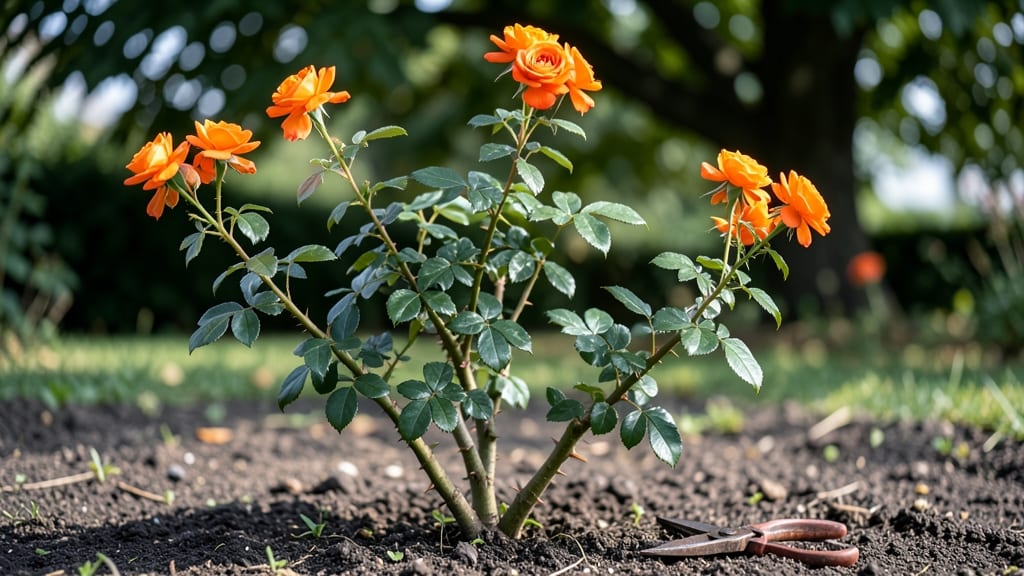
Nothing beats the bold pop of an orange rose tree in your Pacific Northwest garden—especially when it thrives through our damp winters. 🌿 I’ve grown these fiery beauties for years, and the secret to their longevity lies in frost-resistant pruning that keeps them blooming even after our chilly rains.
The key isn’t just timing; it’s understanding how these roses respond to our unique climate.
You’ll need sharp pruners, a sunny spot with at least 6 hours of light daily, and well-draining soil mixed with compost. Unlike fussy roses, orange varieties like ‘Orange Triumph’ handle our cool summers and wet winters better than most—if you prune correctly.
The goal is to shape them in late winter, just as buds begin to swell, removing dead wood while leaving strong canes to fuel next season’s vibrant blooms.
With the right cuts, you’ll watch those deep orange blossoms return year after year, their scent lingering even through misty mornings. The payoff? A rose bush that outlasts our driest summers and frostiest winters, with fewer diseases and more blooms than store-bought varieties.
Let’s get those pruners ready—your garden’s about to get a whole lot brighter.
This method works for all Pacific Northwest climates, from Seattle’s coastal dampness to Portland’s dry spells. The same principles apply whether you’re shaping a climbing rose or a bush—just adjust for your space. Here’s how to make it happen without stress or guesswork.
📚 In This Guide
- What you need
- Instructions
- Tips and common mistakes
- Wrapping up and next steps
What you need
- ● Orange rose tree (Rosa spp.) – Choose a frost-hardy variety like 'Orange Triumph' or 'Orange Glow' (zones 5-9).
- ● Pruning shears – Bypass pruners (sharp, clean, and sterilized with rubbing alcohol).
- ● Gloves – Heavy-duty gardening gloves (thorns are sharp!).
- ● Disinfectant – 1 part bleach to 9 parts water (for tool sterilization).
- ○ Pruning sealant (optional) – Wound dressing for large cuts (e.g., Tanglefoot Tree Wound Pruning Sealer).
- ● Stakes & twine – For supporting new growth after pruning.
- ● Loppers – For thicker branches (1-2 inch diameter).
- ● Hand saw – Pruning saw for stubborn, woody stems.
- ● Garden hose – For rinsing tools and cleaning sap.
- ● Trash bags – For disposing of pruned debris (disease risk!).
- ● Notebook & pen – To sketch pruning cuts and track growth.
- ○ Mulch (optional) – 2-3 inches of wood chips or straw to insulate roots in winter.
- ● Know your rose’s age – Young trees (under 3 years) need lighter pruning.
- ● Check the weather – Prune on a dry, cloudy day (avoid frost or rain within 24 hours).
- ● Identify dead/diseased wood – Look for blackened, mushy, or hollow stems.
- ● Gather local frost data – PNW winters vary; prune 6-8 weeks before first frost.
Step-by-Step instructions for planting and pruning an orange rose tree
Here's how to get your Pacific Northwest orange rose thriving with minimal winter damage.
🌱 Step 1: Choose the Right Location and Plant Your Tree
Select a spot with at least 6 hours of sunlight daily—morning sun and afternoon shade works best in our cooler climate. Dig a hole twice as wide as the root ball but no deeper, since roses hate having their crown buried too deep.
Gently loosen the roots if they're circling the pot, then place the tree in the hole so the top of the root ball sits 1-2 inches above ground level. This prevents water from pooling around the base and causing rot. Backfill with the native soil, tapping lightly to remove air pockets as you go.
☀️ Step 2: Water Deeply and Mulch Properly
Water immediately after planting to settle the soil around the roots. Give it a deep soak—about 1 gallon per inch of trunk diameter—until water runs out the bottom of the hole. This encourages roots to grow downward where they'll find moisture during dry spells.
Spread 3-4 inches of organic mulch (like wood chips or straw) over the root zone, keeping it 6 inches away from the trunk. Mulch insulates roots in winter and retains moisture in summer. Replenish as it breaks down—never let it pile up against the bark.
✂️ Step 3: Prune for Frost Resistance and Airflow
Cut back one-third of the oldest canes to the ground in early spring before new growth starts. This rejuvenates the plant and prevents winter dieback. Make cuts at a 45-degree angle, just above an outward-facing bud to encourage strong new growth.
Thin out crowded stems to improve airflow—this reduces fungal diseases like black spot that thrive in damp Pacific Northwest winters. Remove any dead, diseased, or crossing branches first. Never leave stubs; always cut back to a bud or joint.
🪴 Step 4: Winterize for Frost Protection
When nighttime temperatures drop below 25°F, wrap the canes loosely with rose-pruning ties and mound an extra 6 inches of mulch around the base. This creates a protective barrier against freezing winds and soil temperatures.
For extra protection in harsh winters, drape burlap or frost cloth over the plant and secure it with stakes. Avoid plastic—it traps moisture and can cause rot. Remove covers in late winter once daytime temperatures consistently stay above 40°F.
Tips & tricks for perfect orange rose tree care
Here's what nobody tells you about keeping your Pacific Northwest orange rose thriving through our tricky winters.
Sunlight Strategy: That 6 hours of sunlight in Step 1 should be direct morning sun—our Pacific Northwest climate means afternoon clouds often block light. If planting near a south-facing wall, the reflected light counts toward your total. I always check the sunniest spot in my yard by observing where sunlight hits the ground at midday for a week before planting.
Pruning Precision: When you're cutting back one-third of the oldest canes in Step 3, look for canes that are thinner and have fewer blooms—they're the ones to remove. Make your 45-degree cuts just above an outward-facing bud to encourage new growth that won't crowd the center. I mark these canes with a ribbon in late fall so I remember which ones to prune first.
Winter Protection Layering: The extra 6 inches of mulch in Step 4 should be added gradually as temperatures drop below 25°F. Start with 3 inches when temps hit 30°F, then add another 3 inches when it drops to 25°F. This gradual approach prevents sudden temperature shock to the roots. I use straw mulch because it breaks down more slowly than wood chips in our wet winters.
Spring Thaw Timing: Don't rush to remove your frost covers when daytime temps hit 40°F—wait until they're consistently above 40°F for at least 5 days. Our Pacific Northwest springs can have sudden cold snaps. I check the extended forecast and remove covers on a warm afternoon when nighttime temps are predicted to stay above 35°F for the next week.
Pro Tips for Orange Rose Tree
- Here's what nobody tells you about keeping your Pacific Northwest orange rose thriving through our tricky winters.
- Sunlight Strategy: That 6 hours of sunlight in Step 1 should be direct morning sun—our Pacific Northwest climate means afternoon clouds often block light.
- Pruning Precision: When you're cutting back one-third of the oldest canes in Step 3, look for canes that are thinner and have fewer blooms—they're the ones to remove.
Frequently asked questions
Got questions about growing and caring for your orange rose tree in the Pacific Northwest? Here are some common concerns—and their answers—to help you nurture a thriving, frost-resistant beauty.
How cold can an orange rose tree tolerate?
Most Rosa 'Orange Triumph' varieties handle light frosts down to 15–20°F (-9 to -6°C), but young plants or extreme cold may require protection (like burlap wraps or mulch). In the PNW’s wet winters, ensure good drainage to prevent root rot—never let soil stay soggy!
When’s the best time to prune for PNW winters?
Prune late winter or early spring (February–March) before new growth starts. Cut back dead or crossing branches by ⅓ to improve airflow and frost resistance. Avoid heavy pruning in fall—it stimulates tender new growth that won’t survive cold snaps. Pro tip: Sterilize shears with rubbing alcohol to prevent disease!
Can I grow an orange rose tree in a container?
Yes! Use a 5-gallon+ pot with drainage holes and well-draining soil (mix garden soil with perlite). Move containers indoors or to a sheltered spot when temps drop below 25°F (-4°C). Dwarf varieties like 'Orange Iceberg' adapt well to containers—just ensure they get 6+ hours of sun daily.
Why are my orange rose leaves turning yellow?
Yellow leaves often signal overwatering, nutrient deficiency, or pests. Check soil moisture (top 2" should be dry), fertilize lightly in spring with rose-specific food, and inspect for aphids or spider mites. If roots smell rotten, repot with fresh soil—orange roses hate "wet feet"!
How do I encourage more blooms?
Deadhead spent blooms regularly to redirect energy to new flowers. Feed with a balanced fertilizer (10-10-10) in early spring, then switch to a low-nitrogen, high-phosphorus formula (like 5-10-5) when buds form. Prune lightly after blooming to maintain shape—less pruning = more flowers!
Still stumped? Drop your question in the comments—we’re happy to help your orange rose thrive in the PNW’s unique climate!
Wrapping up and next steps
Growing an orange rose tree in the Pacific Northwest is absolutely achievable with the right care—especially when it comes to frost-resistant pruning! 🌸 By choosing the right variety, timing your cuts wisely, and protecting your plant from winter chills, you’ll enjoy vibrant blooms year after year.
Remember, patience and consistency are key, so don’t hesitate to experiment with techniques like mulching or microclimates to give your rose tree the best shot at thriving.
Now that you’re armed with expert tips, roll up your sleeves and get pruning! Grab your shears, pick a sunny day, and give your orange rose tree the love it deserves. Happy gardening—your future blooms will thank you! 🌿✨