
Pruning
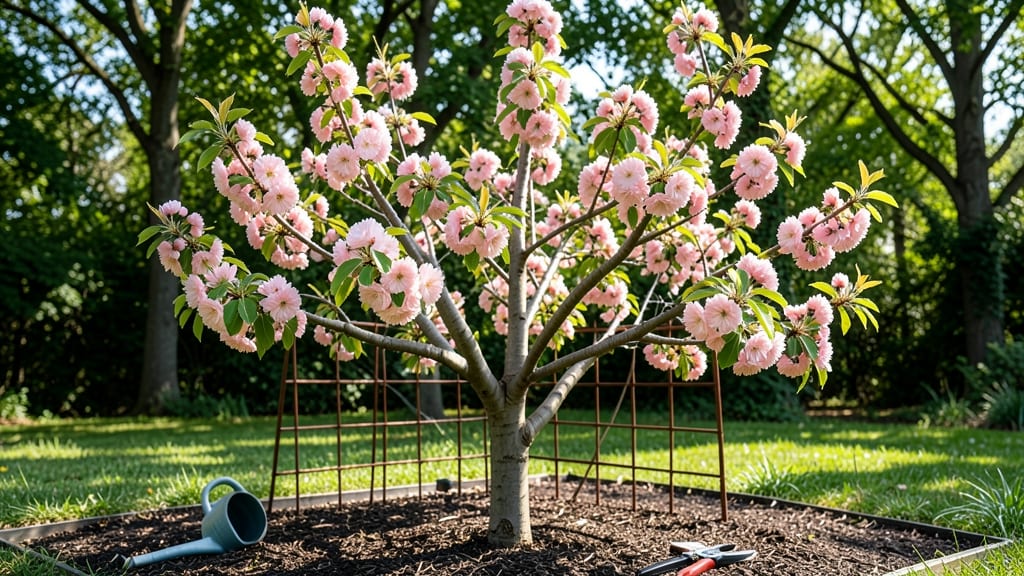
A peach-colored flowering tree turns any Pacific Northwest garden into a soft, romantic focal point—especially when you choose frost-hardy varieties that thrive in our damp winters. 🌸 I’ve planted three different types over the years, and the Lagerstroemia ‘Natchez’ stands out for its crepe-paper blooms that last from July through September, even after light frosts.
The secret to their longevity? Pruning in late winter to encourage fresh growth before the blooming season kicks in.
These trees aren’t just pretty—they’re practical. Plant them where they’ll cast dappled shade over patios or walkways, pairing them with deep purple foliage like Heuchera or silver-blue Artemisia to make the peach hues pop.
They handle our region’s wet springs and cool summers better than many ornamentals, and their vertical structure adds height without overwhelming smaller gardens. Just avoid soggy spots—they hate wet feet.
By summer’s end, you’ll have a tree that looks like it belongs in a storybook, its branches heavy with blooms that attract bees and hummingbirds. The best part? Their fall foliage often turns shades of gold and orange, giving you a second show.
With the right placement and a little pruning care, these trees become the backbone of your garden’s vertical drama.
For Pacific Northwest gardeners, the key is timing: plant in early spring or fall, and start pruning as soon as the first buds appear in late winter. That’s when you’ll see them transform from bare branches to a cloud of peach-colored beauty—year after year.
📚 In This Guide
- What you need
- Instructions
- Tips and common mistakes
- Wrapping up and next steps
What you need
- ● Peach-colored flowering tree sapling: Choose a frost-hardy variety like Prunus serrulata 'Kwanzan' (Cherry Blossom) or Cercis canadensis 'Forest Pansy' (Redbud with peachy undertones). Ensure it’s 1–3 years old for best establishment.
- ● High-quality potting soil or native soil mix: 5–10 gallons, amended with compost (20–30% organic matter) for drainage and nutrients.
- ● Mulch: 2–3 inches of wood chips or pine bark to retain moisture and protect roots from frost.
- ● Slow-release fertilizer: Balanced 10-10-10 or organic options like fish emulsion (follow label rates).
- ● Hand trowel or spade: For digging planting holes (1.5x wider than the root ball).
- ● Pruning shears: Bypass pruners (for clean cuts) or loppers (for thicker branches). Sanitize blades with rubbing alcohol to prevent disease!
- ● Garden gloves: Heavy-duty to protect hands from thorns (common in some flowering trees).
- ● Watering can or hose with nozzle: 5–10 gallons of water for initial planting.
- ○ Staking kit (optional): 2–3 stakes + soft ties if your tree is tall or in a windy area.
- ● Location: Full sun (6+ hours/day) and well-draining soil. Test soil pH (ideal: 6.0–7.0).
- ● Timing: Plant in early spring or fall (avoid summer heat or winter frost).
- ● Frost protection: Burlap wraps or frost cloth for young trees during PNW’s late frosts (March–April).
- ● Local regulations: Check if your area requires permits for large trees (some cities have restrictions).
How to select and plant frost-resistant peach-colored flowering trees
Here's how to pick the perfect trees and give them the best start in cooler climates.
🌱 Step 1: Choose the Right Variety for Your Climate
Look for frost-hardy trees like the Washington Hawthorn (Crataegus phaenopyrum) or Peach Leaf Willow (Salix amygdaloides), both of which handle 10-20°F temperatures and bloom in stunning peach tones. These varieties thrive in the Pacific Northwest's damp winters and mild summers, unlike tender peach trees that need warmth.
Check the USDA Hardiness Zone for your area—most frost-resistant options grow well in Zones 4-8. I always verify the tree's mature height (often 15-25 feet) to ensure it fits your space. Smaller varieties like Dwarf Peach (Prunus persica 'Bonanza') are great for urban gardens.
🪴 Step 2: Pick the Perfect Planting Spot
Plant your tree where it gets full sun (6+ hours daily)—peach-colored blooms need bright light to develop their rich hues. In the Pacific Northwest, this often means south-facing or west-facing exposures, where afternoon sun warms the bark and encourages flowering.
Ensure the soil drains well—these trees hate soggy roots. If your yard has clay-heavy soil, amend with 2-3 inches of compost mixed into the top 12 inches of soil. Avoid low spots where cold air settles, as frost pockets can damage young trees.
☀️ Step 3: Plant at the Right Time and Depth
Fall is the best time to plant in the Pacific Northwest, giving roots time to establish before winter. Dig a hole twice as wide as the root ball but no deeper—planting too deep suffocates roots. Loosen the soil at the edges of the hole to encourage root spread.
Place the tree so the top of the root ball sits 1-2 inches above ground level—this prevents water from pooling at the base. Backfill with native soil (not amended mix) and water deeply to settle everything. A 3-inch layer of mulch (keep it 6 inches from the trunk) helps retain moisture and regulate soil temperature.
💧 Step 4: Water and Protect in the First Year
Water deeply once a week (about 15-20 gallons) during the first growing season, letting the soil dry slightly between waterings. Overwatering causes root rot, while underwatering stresses young trees. You’ll know it’s time to water when the top 2 inches of soil feel dry to the touch.
In early spring, wrap the trunk with tree guard to protect it from late frosts (common in the Pacific Northwest until May). Prune only to remove dead branches—avoid heavy pruning in the first year, as it weakens the tree. A light structural pruning in late winter helps shape growth for future blooms.
⏰ Step 5: Maintain for Long-Term Beauty
Fertilize in early spring with a balanced 10-10-10 formula (about ½ pound per inch of trunk diameter). Peach-colored flowering trees need moderate nutrients but too much fertilizer leads to leafy growth at the expense of blooms. Spread the fertilizer 6 inches from the trunk and water it in.
Watch for aphids or scale insects—common pests on flowering trees. A strong spray of water usually dislodges them, but severe infestations may need neem oil. Enjoy the spring blooms (March-April) and fall color (if your variety has it)—these trees reward patience with years of vertical color.
Tips & tricks for frost-resistant peach-colored flowering trees
Here's what nobody tells you about getting those vibrant blooms to thrive in your Pacific Northwest garden.
Variety Selection: When choosing between Washington Hawthorn and Peach Leaf Willow, consider your space and maintenance needs. Hawthorn grows into a dense, multi-stemmed shrub (15-25 feet) perfect for privacy screens, while Willow develops a single trunk with graceful, arching branches that work beautifully as a focal point. Both handle the 10-20°F temperatures common in your region, but Hawthorn's berries add winter interest too.
Soil Prep Secret: For clay-heavy soils, I've found mixing 2-3 inches of compost into the top 12 inches of soil creates a sponge-like texture that drains well but retains moisture. The key is to work the compost into the existing soil—not just pile it on top—so roots can access nutrients throughout the growing season. This makes all the difference for young trees struggling in heavy soils.
Planting Depth: That 1-2 inch elevation above ground level for the root ball might seem small, but it's critical. Too deep and roots suffocate; too shallow and they dry out. I always use a level to check—just enough to keep the trunk slightly above where it sat in the nursery pot. A simple trick: mark the pot's original soil line with a pencil before removing the tree.
Watering Wisdom: Those 15-20 gallons weekly should be spread evenly around the root zone, not dumped all at once. I use a soaker hose for 30 minutes to ensure deep penetration without puddling. The 2-inch dry soil test is your best guide—stick your finger in and feel for moisture. In Pacific Northwest's damp climate, overwatering is actually more dangerous than underwatering for young trees.
Pro Tips for Peach Colored Flowering Tree
- Here's what nobody tells you about getting those vibrant blooms to thrive in your Pacific Northwest garden.
- Variety Selection: When choosing between Washington Hawthorn and Peach Leaf Willow, consider your space and maintenance needs.
- Soil Prep Secret: For clay-heavy soils, I've found mixing 2-3 inches of compost into the top 12 inches of soil creates a sponge-like texture that drains well but retains moisture.
Frequently asked questions
Got questions about adding a peach-colored flowering tree to your Pacific Northwest garden? Here are some common ones—and answers to help you plan with confidence!
What’s the best time to plant a peach-colored flowering tree in the PNW?
Plant in early spring (March–April) or fall (September–October) for optimal root establishment. Avoid winter planting—frost can stress young roots. Spring lets you monitor soil moisture as summer arrives, while fall gives roots time to settle before winter dormancy. Pro tip: Water deeply weekly for the first year to encourage deep root growth!
How cold-hardy are these trees, and will they survive PNW winters?
Most peach-blooming trees (like Prunus persica cultivars or Cercis canadensis ‘Forest Pansy’) thrive in USDA Zones 5–8, handling temps down to -15°F (-26°C). For extra frost protection, choose late-blooming varieties (e.g., Prunus ‘Peach Blush’) to avoid spring frosts damaging flowers. Mulch heavily in winter for insulation!
Do I need to prune peach-colored flowering trees, and when?
Yes! Prune in late winter (February–March), before buds swell, to shape the tree and encourage blooms. Remove dead, crossing, or crowded branches first. Avoid heavy pruning—these trees bloom on old wood, so limit cuts to 20–30% of the canopy per year. Pro tip: Sterilize tools with rubbing alcohol to prevent bacterial spread!
Are there low-maintenance alternatives to traditional peach trees?
Consider these frost-resistant, peach-hued bloomers:
- Cercis canadensis ‘Forest Pansy’ (Eastern Redbud): Vibrant magenta-pink blooms, Zone 4–8.
- Prunus ‘Kanzan’ (Cherry): Double pink flowers, Zone 5–8.
- Lagerstroemia ‘Natchez’ (Crape Myrtle): Soft peach-pink blooms, Zone 5–9.
Why aren’t my peach-colored tree’s flowers opening, or they’re sparse?
Common causes:
- Frost damage: Late spring frosts can kill blooms. Choose late-blooming varieties.
- Over-fertilizing: Too much nitrogen = leafy growth, fewer flowers. Use a balanced 10-10-10 fertilizer in early spring.
- Improper pruning: Heavy cuts on old wood reduce blooms. Prune lightly to preserve flower-producing branches.
Wrapping up and next steps
Transforming your Pacific Northwest garden with a peach-colored flowering tree isn’t just about aesthetics—it’s about resilience, beauty, and year-round charm. These frost-hardy stars bring warmth to cool climates while requiring minimal fuss, making them the perfect choice for both novice and seasoned gardeners. 🌸
Ready to elevate your outdoor space? Start by selecting the right variety—like Prunus serrulata ‘Kwanzan’ or Cercis canadensis ‘Forest Pansy’—and give it the care it deserves.
With the right tools and a little pruning know-how, you’ll enjoy bursts of color for years to come. Grab your shears and get growing!