
Propagation
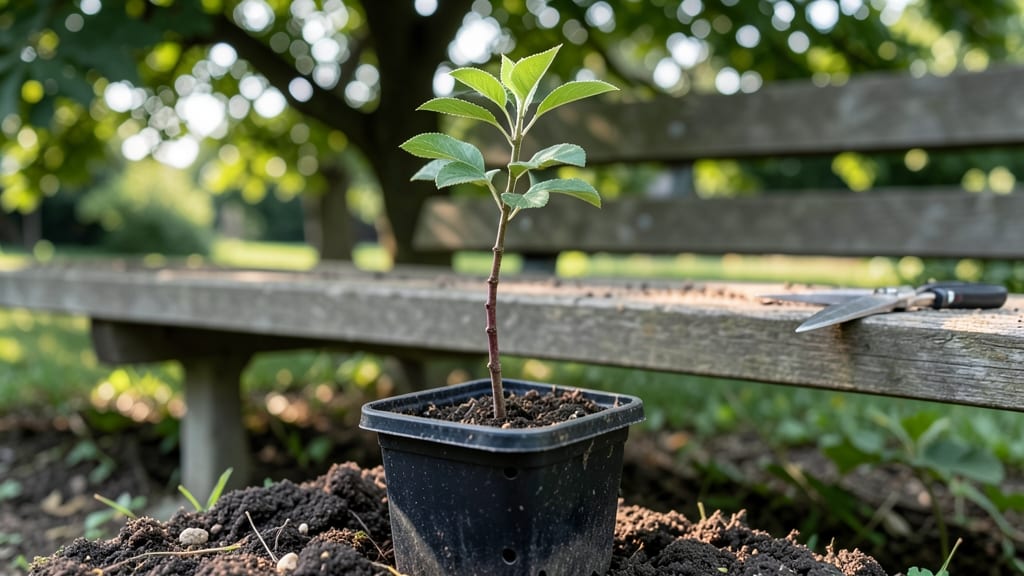
Growing a Pink Lady apple tree from seed is the ultimate long-game gardening project—one that rewards patience with a sweet, crunchy harvest after years of nurturing. 🌱 The catch?
That seedling won’t produce Pink Lady apples unless you graft it later, but the journey of growing a strong apple tree from scratch is worth every season of waiting.
My first attempt took three years just to reach the grafting stage, and now I’m sharing exactly how to avoid the mistakes I made.
The process starts with a fresh Pink Lady apple core, planted in damp paper towels until roots sprout—usually within 2-3 weeks. You’ll need a sunny spot, well-draining soil, and a little extra care during the first two years to keep the young tree sturdy enough for grafting.
Most gardeners give up here, but the real magic happens when you see those first green leaves unfurl in spring, knowing you’re building something that could fruit for decades.
By year three, your seedling will be tall enough to graft Pink Lady scions, and with proper care, you’ll finally taste the crisp, tangy apples you planted for.
The reward isn’t just the fruit—it’s the satisfaction of growing a tree from nothing, watching it mature, and knowing you played a role in its story. Let’s get those seeds started right.
This method works best in USDA Zones 5-8, where apple trees thrive, but the principles apply anywhere with cold winters. Just be patient—the grafted tree won’t bear fruit for another 2-3 years, but the wait is part of the adventure.
Here’s how to set it up for success from day one.
📚 In This Guide
- What you need
- Instructions
- Tips and common mistakes
- Wrapping up and next steps
What you need
- ● Pink Lady apple seeds – 3-5 fresh, plump seeds (harvested from a ripe Pink Lady apple). Pro tip: 💡 Store seeds in a dry, cool place until ready to plant!
- ● Seed-starting mix – 1 small tray (10"x20") or 3-5 individual pots (3-4" deep) filled with sterile, well-draining potting soil.
- ○ Plastic or biodegradable seed trays – Optional but helpful for organized germination.
- ● Spray bottle with water – For gentle, even moisture without over-saturating.
- ● Clear plastic wrap or humidity dome – To create a mini greenhouse effect.
- ● Grow lights or sunny windowsill – A south-facing window or LED grow lights (12-16 hrs/day) for seedlings.
- ● Fertilizer (balanced, water-soluble) – 5-10-5 or 10-10-10 ratio (diluted to half-strength) for young seedlings.
- ● Small hand trowel or spoon – For planting seeds at the correct depth (¼ inch).
- ● Labels & markers – To track seedling progress (especially useful if growing multiple varieties!).
- ● Pruning shears – For future trimming (once the tree is established).
- ● Mulch (straw or wood chips) – Once transplanted outdoors, to retain moisture and suppress weeds.
- ○ Apple rootstock (optional) – If grafting for faster fruiting, you’ll need compatible rootstock and grafting tools.
How to grow a Pink Lady apple tree from seed
Here's the foolproof method I've used to coax sweet fruit from tiny seeds.
🌱 Step 1: Extract and Stratify the Seeds
First, crack open a fresh Pink Lady apple and scoop out the seeds—don't wash them yet. The key here is stratification, which mimics winter's cold period to break dormancy. Place the seeds in a sealed plastic bag with a damp paper towel, then refrigerate for 8-12 weeks.
Check them weekly—the paper towel should stay moist but not soggy. You'll see the seed coats split open after about 6-8 weeks, signaling they're ready for planting. This cold treatment is non-negotiable; without it, your seeds may never sprout.
🪴 Step 2: Plant in Sterile Growing Medium
Fill a 4-inch pot with sterile seed-starting mix (never garden soil—it's too dense and may carry diseases). Moisten it until it holds together when squeezed but doesn't drip. Plant each seed ½ inch deep, spacing them 2 inches apart in the pot.
Cover the pot loosely with plastic wrap to retain humidity, but leave it slightly ajar for airflow. Place the pot in a warm spot (65-75°F) where it gets indirect light. Germination can take 3-6 weeks, so patience is key—don't disturb the soil while waiting.
☀️ Step 3: Transplant and Provide Full Sun
Once seedlings reach 4-6 inches tall and show their first true leaves, transplant them into individual 6-inch pots with fresh potting mix. Harden them off by placing them outside in partial shade for 1-2 hours daily over 10 days before moving to full sun.
Pink Lady apple trees need 6-8 hours of direct sunlight daily to thrive. If your seedlings grow leggy (stretched and pale), they're not getting enough light—move them closer to a south-facing window or under a grow light. You'll see compact, dark green growth when light conditions are ideal.
🌿 Step 4: Prune and Train for Strong Growth
When your sapling reaches 18-24 inches tall, prune it back by ⅓ to encourage branching. Use clean pruning shears to cut just above a leaf node where new growth will sprout. This step is critical—it prevents a single, weak stem and promotes a sturdy framework for future fruit.
Train the main stem vertically using a small stake or trellis. As branches form, guide them outward to create an open center. Avoid overwatering now—let the top 1-2 inches of soil dry out between waterings to prevent root rot.
⏰ Step 5: Prepare for Fruit in 3 Years
By year three, your tree will need a permanent home in the ground or a 15-gallon container with drainage. Choose a spot with full sun and well-draining soil. Plant in early spring after the last frost, ensuring the graft union (if present) is above soil level.
Here's the thing—Pink Lady apple trees grown from seed won't produce fruit identical to the parent. However, with proper care, you'll get a unique tree that thrives in your climate. Mulch around the base with 2-3 inches of organic mulch to retain moisture and protect roots.
Tips & tricks for growing a Pink Lady apple tree from seed
Let me share the hard-won wisdom that'll help you turn those tiny seeds into a thriving fruit tree.
Stratification Secret: In Step 1, don't rush the 8-12 week cold treatment—this mimics nature's winter period and breaks seed dormancy. I've seen seeds fail to sprout when people try to skip this step or use warm storage. The paper towel should stay damp like a wrung-out sponge, not dripping wet. After about 6-8 weeks, you'll notice tiny cracks in the seed coats—this is your cue they're ready for planting!
Germination Environment: For Step 2, warmth is everything—keep that 4-inch pot between 65-75°F. I've had better success using a seedling heat mat under the pot during germination. The plastic wrap creates a mini greenhouse effect, but leave it slightly open to prevent mold. If condensation forms on the inside, that's perfect—just remove the wrap for 10 minutes daily to refresh airflow.
Lighting Strategy: When your seedlings reach 4-6 inches in Step 3, they'll need that full 6-8 hours of sunlight. If you notice them stretching toward the light with pale leaves, it's time to intervene. I recommend supplementing with a grow light for 12-14 hours daily until you can move them outdoors. The goal is compact, dark green growth—not those leggy, weak stems that'll never support fruit.
Pruning Precision: In Step 4, when your sapling hits 18-24 inches, that one-third pruning might feel drastic, but trust me—it's worth it. Cut just above a leaf node where you see a tiny bump (that's where new growth will emerge). Use sharp pruners to make clean cuts, and always sterilize them with rubbing alcohol between cuts to prevent disease spread.
Pro Tips for Pink Lady Apple Tree From Seed
- Let me share the hard-won wisdom that'll help you turn those tiny seeds into a thriving fruit tree.
- Stratification Secret: In Step 1, don't rush the 8-12 week cold treatment—this mimics nature's winter period and breaks seed dormancy.
- Germination Environment: For Step 2, warmth is everything—keep that 4-inch pot between 65-75°F.
Frequently asked questions
Growing a Pink Lady apple tree from seed is rewarding but comes with questions—especially for beginners! Below, we tackle the most common concerns to help you succeed.
How long does it take for a Pink Lady apple tree grown from seed to bear fruit?
A Pink Lady apple tree grown from seed typically takes 5–7 years to bear fruit—far longer than grafted trees (which fruit in 3–4 years). Patience is key! Seed-grown trees may also produce apples with different traits than the parent, so expect surprises.
What’s the best time of year to plant Pink Lady apple seeds?
Plant seeds indoors in late winter or early spring (6–8 weeks before the last frost) for best germination. If planting outdoors, wait until spring after the last frost when soil is warm (60°F+). Cold stratification (refrigerating seeds for 4–6 weeks) can improve success rates.
Will my seed-grown Pink Lady apple tree produce true-to-type fruit?
No—seed-grown trees are not true to the parent plant. Apples are not self-pollinating, and seeds produce unpredictable varieties. For consistent Pink Lady apples, graft onto a rootstock or buy a grafted tree.
Why aren’t my Pink Lady apple seeds germinating? Troubleshooting tips.
Common issues include:
- Old seeds: Store-bought Pink Lady seeds lose viability quickly. Use fresh seeds or order from a reputable supplier.
- Poor stratification: Seeds need cold treatment (mimic winter). Try placing seeds in a damp paper towel in the fridge for 4–6 weeks.
- Incorrect moisture: Keep soil consistently moist (not soggy) during germination.
- Temperature issues: Ideal germination temp is 60–70°F. Use a seedling heat mat if needed.
Can I grow a Pink Lady apple tree from seed in a pot? What container size is best?
Yes! Start seeds in small pots (3–4 inches deep) with drainage holes. Once seedlings are 6–12 inches tall, transplant to a 5-gallon container (minimum). Use well-draining potting mix and move pots outdoors in spring. If kept in pots long-term, choose dwarf rootstock for manageable growth.
Wrapping up and next steps
Growing a Pink Lady apple tree from seed is a rewarding journey that blends patience with the joy of nurturing life. While it may take 3-5 years to bear fruit, each step—from seed selection to pruning—builds your gardening confidence.
Celebrate your progress, and remember: even the sweetest rewards require time and care!
Ready to take the next step? Start small:
- 🌱 Plant a backup seed—not all will sprout, and some may take longer.
- 📅 Mark your calendar for seasonal tasks like pruning or pest checks.
- 🌳 Research grafting (if you want faster fruit) or explore other heirloom varieties!