
Pruning
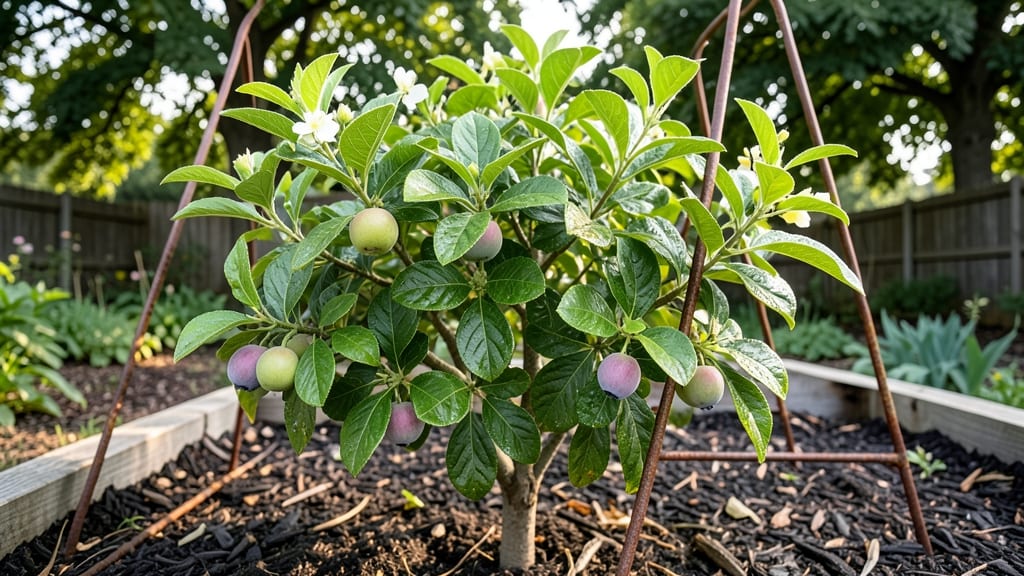
The Pink Lemonade blueberry tree isn’t just a fruit producer—it’s a year-round conversation piece with pink-tinged foliage, delicate white flowers, and edible berries that taste like summer in a cup. 🌸 I planted mine last spring in a sunny corner near the patio, and now it’s the first thing guests notice, even when it’s not fruiting.
The key? Treating it like a small tree (it stays under 6 feet tall) while giving it the same care as a shrub—well-draining soil, 6+ hours of sun, and a little winter protection in colder zones.
What makes this variety special is its dual purpose: the berries are tart-sweet and perfect for jams or fresh snacking, but the rosy-pink leaves and arching branches create vertical drama in any garden.
Pair it with lavender for contrast, salvia for texture, or let it stand alone as a focal point in a small-space border. The flowers attract pollinators, and the berries feed birds—so it’s working hard even when you’re not looking.
By summer’s end, you’ll have harvests of deep blue-black berries that stain your fingers (and your shirt) as you pick them.
The tree’s compact size makes it ideal for containers, raised beds, or mixed borders, and its frost resistance means it handles early springs and late frosts better than most blueberries.
Prune lightly in late winter to shape it, and watch it burst into color as soon as the weather warms.
Here’s the secret to making it shine: plant it where you’ll see it daily—whether that’s near a seating area, along a path, or as a living room divider.
With minimal effort, it becomes the star of your garden, blending beauty, function, and a little edible magic. Let’s get it growing!
📚 In This Guide
- What you need
- Instructions
- Tips and common mistakes
- Wrapping up and next steps
What you need
- ● Pruning shears: Bypass pruners (sharp, clean, and rated for 2- to 3-inch cuts) or felco-style pruners (for precision). Sanitize with rubbing alcohol between cuts!
- ● Loppers: Bypass loppers (18–24 inches) for thicker branches (up to 1.5 inches in diameter).
- ● Hand saw: Pruning saw with a curved blade for stubborn, larger branches.
- ● Gloves: Garden gloves (cut-resistant, breathable fabric) to protect hands from thorns and sap.
- ● Disinfectant: 70% isopropyl alcohol or bleach solution (1 part bleach to 9 parts water) for sterilizing tools.
- ○ Pruning sealant: Tree wound paint (optional but recommended for cuts larger than 0.5 inches).
- ● Ladder or step stool: Sturdy, extendable ladder (if tree exceeds 6 feet tall) or a stable stool for safety.
- ● Trash bags: Heavy-duty contractor bags (2–3) for collecting pruned branches.
- ● Marking twine or flags: Colored twine (red/green) or plastic flags to tag branches for removal.
- ● Pole saw: For high branches without a ladder.
- ● Work gloves: Mechanics-style gloves for extra grip on slippery branches.
- ● Safety glasses: To shield eyes from debris.
- ● Notebook/pencil: For sketching pruning plans or notes.
- ● Mulch or wood chips: To replenish the base after pruning.
- ● Extension cord + string trimmer: For clearing underbrush around the tree.
Step-by-Step guide to planting and cultivating a Pink Lemonade blueberry tree
Here's how to nurture this vibrant, pollinator-friendly tree from container to flourishing landscape centerpiece.
🌱 Step 1: Select the Perfect Planting Site
Choose a location with partial sun exposure—at least 4-6 hours of morning sunlight and afternoon shade. The Pink Lemonade variety thrives in cooler climates and handles light frosts down to 15°F, making it ideal for northern gardens or high-altitude areas. Avoid full sun in hot climates, which can scorch the foliage.
Test your soil's pH—blueberries demand acidic conditions between 4.5 and 5.5. If your soil tests higher, amend it with 2-3 pounds of elemental sulfur per 100 square feet six months before planting. I like to work in 3-4 inches of peat moss into the topsoil for extra acidity and moisture retention.
🪴 Step 2: Prepare the Planting Hole and Position the Tree
Dig a hole twice as wide as the root ball but no deeper—blueberry roots are shallow and sensitive to burial. Gently remove the tree from its container and loosen any circling roots with your fingers. The root flare (where roots meet the trunk) should sit 1-2 inches above ground level to prevent rot.
Place the tree in the hole and backfill with a mix of native soil and 20% compost. Tamp down lightly to eliminate air pockets, then water deeply to settle the soil. Mulch with 3-4 inches of pine needles or wood chips (avoid cedar mulch—it's too acidic) to conserve moisture and regulate soil temperature.
☀️ Step 3: Establish a Watering and Fertilizing Routine
Water deeply 2-3 times per week for the first year, ensuring the soil stays consistently moist but not soggy. Blueberries hate drought stress—you'll see wilting leaves and stunted growth if they dry out. Use a soaker hose to deliver water slowly at the base, avoiding wetting the foliage to prevent fungal diseases.
Fertilize in early spring with an acid-loving plant fertilizer (look for high nitrogen and micronutrients). I apply ½ cup of fertilizer per 100 square feet around the drip line, then water thoroughly. Skip summer fertilizing—blueberries focus on fruit production, not leaf growth, during warmer months.
✂️ Step 4: Prune for Shape and Pollinator Appeal
Prune in late winter or early spring before new growth begins. Remove any dead, diseased, or crossing branches first, then thin out 10-20% of the oldest wood to encourage new, vigorous growth. The Pink Lemonade's natural weeping habit makes it perfect for vertical spaces—train it along a trellis or fence if desired.
Leave some smaller branches to create a bushy, pollinator-friendly structure. Bees and butterflies love the vibrant pink flowers that appear in early spring. Avoid heavy pruning in fall—it stimulates tender growth that won't survive winter.
🌿 Step 5: Monitor for Pests and Adjust Care Seasonally
Watch for blueberry maggots or aphids—treat with neem oil if you spot chewed leaves or sticky residue. The tree's frost resistance makes it low-maintenance, but young trees may need lightweight burlap wraps during unexpected cold snaps below 15°F. Remove wraps in early spring to prevent overheating.
In summer, reduce watering slightly as the tree matures—1 inch per week is usually enough. Harvest ripe berries in mid-to-late summer by gently twisting them from the stem. The Pink Lemonade variety produces sweet, tart fruit that's perfect for fresh eating or baking.
Tips & tricks for perfect Pink Lemonade blueberry tree cultivation
These pro-level insights will help you coax the most vibrant growth and sweetest fruit from your pollinator-friendly tree.
Soil Acidification Strategy: The 4.5-5.5 pH range is non-negotiable for blueberries, but achieving it takes patience. I recommend testing your soil first—if it's above 6.0, you'll need that full six months to work in the 2-3 pounds of elemental sulfur per 100 square feet. For faster results, mix in 3-4 inches of peat moss at planting time. Pro tip: Add a handful of coffee grounds to the planting hole—they'll break down to release natural acidity over time.
Root Protection Technique: When positioning your tree in Step 2, pay special attention to the root flare. That 1-2 inch elevation above ground level is critical—it prevents rot while allowing proper air circulation. I've seen many gardeners bury the flare too deep, which leads to stem rot within weeks. After planting, create a slight berm around the base to help direct water away from the trunk during heavy rains.
Watering Precision: Those 2-3 deep waterings per week in the first year aren't just about volume—they're about technique. Use your soaker hose to deliver water slowly at the base, and stop when you see moisture reaching 6-8 inches deep. The goal is consistently moist soil, not soggy conditions. I like to water in the morning so the foliage has time to dry before evening, which prevents fungal diseases like powdery mildew.
Pruning for Pollinators: The 10-20% oldest wood removal in Step 4 isn't just about shaping—it's about creating the perfect habitat for pollinators. When you thin those branches, you're opening up the tree's interior to sunlight, which encourages more flower production. Leave some smaller branches to create a bushy structure that bees and butterflies will love. Remember, the more flowers you have, the more fruit you'll get next season.
Pro Tips for Pink Lemonade Blueberry Tree
- These pro-level insights will help you coax the most vibrant growth and sweetest fruit from your pollinator-friendly tree.
- Soil Acidification Strategy: The 4.5-5.5 pH range is non-negotiable for blueberries, but achieving it takes patience.
- Root Protection Technique: When positioning your tree in Step 2, pay special attention to the root flare.
Frequently asked questions
Got questions about your Pink Lemonade Blueberry Tree? You’re not alone! Whether you're a first-time grower or a pruning pro, these answers will help you keep your vertical pollinator starburst thriving.
How cold can a Pink Lemonade Blueberry Tree tolerate?
The Pink Lemonade Blueberry Tree is famously frost-resistant, surviving temperatures down to -15°F (-26°C) once established. However, young trees or newly planted saplings may need winter protection (like mulch or burlap wraps) in their first few years, especially in zones colder than Zone 4.
When is the best time to prune my tree?
Prune your Pink Lemonade Blueberry Tree in late winter or early spring (before buds swell) to encourage strong growth. Avoid heavy pruning in fall, as it can stimulate tender new growth vulnerable to frost. Light shaping can be done after harvest, but focus on removing dead or crossing branches.
Can I grow Pink Lemonade Blueberry Trees in containers?
Yes! These trees thrive in containers with well-draining soil and a 15-20 gallon pot (minimum). Use a mix of potting soil, compost, and sand for aeration. Ensure the container has drainage holes and move it indoors or to a sheltered spot if temperatures drop below 10°F (-12°C).
Why aren’t my blueberries turning pink?
If your berries stay white or pale pink, it could be due to lack of sunlight (6+ hours daily), insufficient pollination, or nutrient deficiencies (like nitrogen or phosphorus). Hand-pollinate with a small brush if bees are scarce, and fertilize with an acid-loving plant formula.
What should I do if my tree’s leaves turn yellow?
Yellow leaves often signal overwatering, nutrient deficiency, or root stress. Check soil moisture (it should be damp but not soggy) and amend with peat moss or sulfur to lower pH (blueberries love 4.5–5.5). If roots are exposed, mulch heavily to retain moisture.
Wrapping up and next steps
Growing a pink lemonade blueberry tree isn’t just about adding beauty to your garden—it’s about creating a thriving, eco-friendly space that supports pollinators and resists frost! With the right pruning techniques, you’ll keep your tree healthy, productive, and stunning year after year. 🌿✨
Ready to take the next step? Start by scheduling a seasonal pruning session—whether it’s shaping young branches or maintaining mature growth. Your garden (and the bees!) will thank you. Grab those shears and get pruning!