
Trees
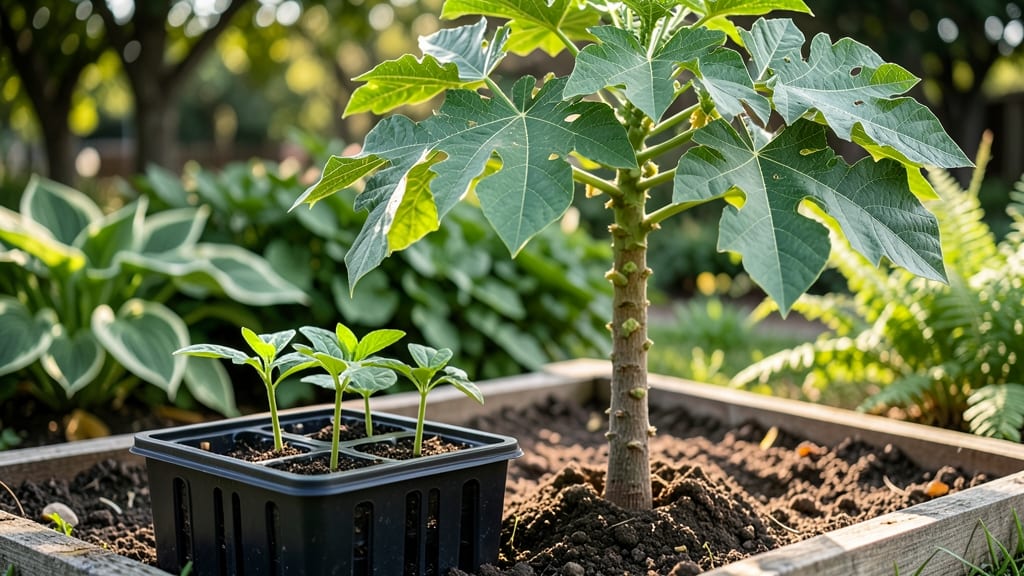
Planting papaya trees in cooler climates feels like defying the odds—until you see those first golden fruits hanging heavy on the vine. 🌱 I’ve grown them in Zone 8 by treating them like delicate tropical guests: warm days, sheltered nights, and soil that drains like a desert after a monsoon.
The secret isn’t forcing them to thrive where they shouldn’t; it’s creating the right microclimate so they forget they’re not in Hawaii.
You’ll need a spot that gets at least 6 hours of direct sun, well-draining soil mixed with compost, and a way to protect young trees from dips below 50°F—whether that’s a greenhouse, cold frame, or even moving potted trees indoors.
Saplings are easier than seeds (germination takes 2-4 weeks and can be finicky), but if you start from seed, soak them overnight first. Space trees 10-15 feet apart—they’re not shy about spreading.
What you’ll end up with is a tree that grows 6-10 feet tall, bearing fruit in 9-12 months if all goes well. The first harvest? Sweet, orange papayas that taste like summer vacation, even in a temperate climate.
Just watch for overwatering—their roots hate soggy feet—and keep an eye out for aphids, which love new growth.
This method works for containers too, making it perfect for patios or greenhouses where you can control the environment. Once you’ve mastered the basics, you can experiment with dwarf varieties or even indoor growing under strong lights. Let’s get those trees in the ground!
📚 In This Guide
- What you need
- Instructions
- Tips and common mistakes
- Wrapping up and next steps
What you need
- ● Papaya Seeds or Seedlings: 1–3 high-quality papaya seeds (from a trusted source) or 1–2 healthy papaya seedlings (if available locally or online).
- ● Well-Draining Soil: 5–10 gallons of potting mix (for containers) or Enriched garden soil with organic compost (for in-ground planting).
- ○ Containers (Optional but Recommended for Cooler Climates): 1–2 large pots (15–20 gallons) with drainage holes or A grow bag (3–5 gallons) for seed starting.
- ● Fertilizer: Balanced organic fertilizer (10-10-10) or compost tea for seedlings. Slow-release citrus/palm fertilizer (high in nitrogen, phosphorus, and potassium) for mature trees.
- ● Tools: Trowel or small shovel for transplanting. Gloves (to protect your hands from thorns). Spray bottle (for misting seedlings). Pruning shears (for future maintenance).
Step-by-Step instructions for planting papaya trees
Here's how to grow tropical papayas even in cooler zones—with the right timing and care.
🌱 Step 1: Choose the Right Variety and Start Indoors
Papayas thrive in warmth, so pick a cold-hardy variety like 'SunUp' or 'Red Maradol' that tolerates brief chills. Start seeds indoors 8-10 weeks before your last frost date—or buy young plants from a tropical nursery. I always use biodegradable pots (like peat or coconut fiber) to avoid root disturbance later.
Sow seeds ½ inch deep in a well-draining seed-starting mix (never garden soil—it’s too dense). Keep the soil warm (75-85°F) with a seedling heat mat. Papaya seeds germinate in 7-14 days, but some take longer—don’t give up after a week. Once sprouts appear, move them to a sunny window or under grow lights for 12-14 hours daily.
🪴 Step 2: Prepare the Planting Site
Papayas need full sun (6+ hours daily) and well-draining soil—they rot easily in soggy conditions. Amend heavy soil with 2-3 inches of compost and a handful of perlite to improve aeration. I test soil pH first (papayas prefer 6.0-7.0) and adjust with lime if needed.
Dig a hole twice as wide as the root ball but only as deep. Gently remove the seedling from its pot and loosen any circling roots with your fingers. Place the plant so the top of the root ball sits level with the soil surface—burying too deep suffocates the stem. Water deeply to settle the soil around roots.
☀️ Step 3: Protect Young Plants from Cold
Even cold-hardy papayas struggle below 50°F. After planting, cover the base with black plastic mulch (from the materials list) to warm the soil. During nighttime dips below 45°F, drape a frost cloth over the plant and secure it with stakes. Remove the cloth by 10 AM to avoid overheating.
Water deeply every 2-3 days—papayas hate dry soil but despise soggy roots. Check moisture by sticking your finger 1 inch down: if dry, water; if damp, wait. Once plants reach 12 inches tall, fertilize lightly with a balanced 10-10-10 formula to encourage strong growth without burning tender roots.
✂️ Step 4: Support and Prune for Fruit Production
Papayas grow fast—up to 10 feet tall in a season. Install a sturdy stake or trellis early to support the heavy fruit. Tie the main stem loosely with soft plant ties (not wire—it cuts). Remove any suckers (side shoots) that form at the base to direct energy into the main trunk and fruit.
Here’s the thing—papayas produce male and female flowers on separate plants (or sometimes both on one). If your plant flowers but no fruit sets, it may be male. Check for tiny papaya-shaped buds at the base of female flowers—those are your future fruit! Hand-pollinate by gently brushing male flowers onto female ones with a paintbrush if needed.
🍈 Step 5: Harvest and Extend the Season
Papayas ripen unevenly, so check daily for color changes (from green to orange/yellow). Harvest when the fruit yields slightly to gentle pressure—they won’t ripen further off the plant. Cut stems with pruners, leaving a ½-inch stem attachment to preserve flavor.
To grow papayas in cooler climates long-term, dig up the plant after the first frost and overwinter it indoors near a sunny window. Reduce watering and fertilizing in winter, then replant outdoors in spring. With patience, your papaya can fruit for years—just like the one I’ve had thriving on my patio since last summer!
Tips & tricks for perfect papaya tree planting
Growing papayas in cooler climates takes patience and a few smart tricks—here's how to maximize your chances of success.
Seedling Heat Mat: Those 75-85°F soil temperatures in Step 1 are non-negotiable for germination. I've tried using regular heat lamps, but a dedicated seedling heat mat keeps temperatures consistent and prevents seedlings from stretching toward light. Place it under your seed-starting tray and keep it plugged in 24/7 until germination occurs.
Soil Test First: Before amending your soil in Step 2, grab a pH test kit—papayas thrive at 6.0-7.0, but many garden soils run acidic. I once planted mine at 5.5 and spent months troubleshooting slow growth before realizing the pH was the real issue. Adjust with dolomitic lime if needed, and mix it into the top 6-8 inches of soil.
Transplanting Timing: The 8-10 weeks indoor growing period in Step 1 might feel long, but it's crucial. Seedlings need to develop a strong root system before facing outdoor conditions. I harden off mine by placing them outside for 1 hour daily in the week before transplanting, gradually increasing time to avoid shock.
Frost Protection Hack: When nighttime temps dip below 45°F in Step 3, I double up on protection by placing a clear plastic bottle (like a 2-liter soda bottle) over the entire plant after draping the frost cloth. Cut the bottom off and slip it over the plant like a mini greenhouse—it traps additional heat while still allowing light through.
Pro Tips for Planting Papaya Trees
- Growing papayas in cooler climates takes patience and a few smart tricks—here's how to maximize your chances of success.
- Seedling Heat Mat: Those 75-85°F soil temperatures in Step 1 are non-negotiable for germination.
- Soil Test First: Before amending your soil in Step 2, grab a pH test kit—papayas thrive at 6.0-7.0, but many garden soils run acidic.
Frequently asked questions
Got questions about growing papaya trees in cooler climates? You’re not alone! Here are answers to the most common concerns—from timing to troubleshooting—to help you succeed with your tropical fruit adventure.
How cold can papaya trees tolerate?
Papayas are tropical and thrive in USDA zones 10–11, but with care, you can grow them in zones 9–10 or even cooler spots. Young trees cannot handle frost—even temperatures below 32°F (0°C) will damage or kill them. If you’re in a cooler zone, plant in containers for mobility or use row covers during unexpected cold snaps.
When is the best time to plant papaya trees?
The ideal time to plant papaya trees is in spring after the last frost, when soil temperatures are consistently above 60°F (15°C). In warmer climates, fall planting also works. If starting from seeds, sow indoors 8–10 weeks before the last frost for a head start. Patience pays off—papayas take 6–12 months to bear fruit!
Can I grow papaya trees in containers?
Containers are a great solution for cooler climates or small spaces. Use a 5-gallon pot or larger with drainage holes and well-draining soil. Place them in full sun and move indoors or to a greenhouse when temperatures drop below 50°F (10°C). Just ensure the container is stable—papayas can get heavy!
Why aren’t my papaya trees flowering or fruiting?
Papayas need warmth, sunlight, and proper care to flower. Common culprits include:
- Insufficient sunlight (6+ hours/day of direct sun is ideal).
- Temperature stress (below 60°F/15°C slows growth).
- Overwatering or poor drainage (root rot is a silent killer!).
- Lack of nutrients (use a balanced fertilizer like 10-10-10).
How do I pollinate papaya trees if there are no bees?
Papayas are self-pollinating, but sometimes a gentle nudge helps! Use a soft paintbrush or cotton swab to transfer pollen from male to female flowers (female flowers have a small papaya-shaped bulb at the base). Do this in the morning when flowers are fresh. For extra insurance, plant multiple trees to encourage cross-pollination.
Wrapping up and next steps
Growing papaya trees in cooler climates is absolutely doable—just embrace a little creativity with containers, indoor spaces, and seasonal care! 🌱 By choosing the right variety, providing warmth, and troubleshooting common challenges, you can enjoy sweet, tropical fruit even where palm trees don’t thrive. Your green thumb is ready for this adventure!
Now that you’re armed with tips, take the next step—start with a single seedling or seed and watch your tropical oasis grow! Share your progress with fellow gardeners, and don’t forget to experiment with different methods to find what works best for your space. Happy planting! 🌟