
Pruning
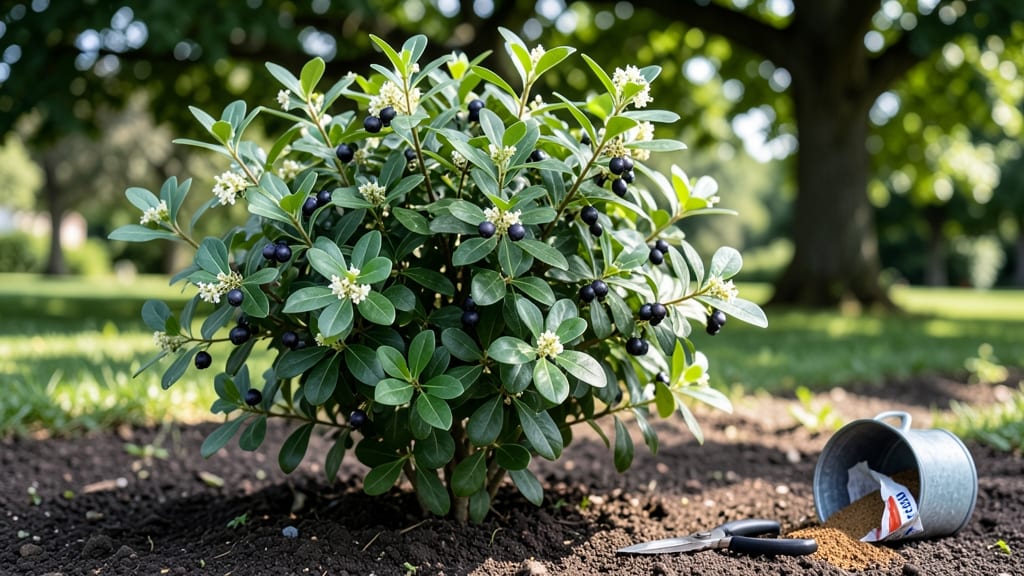
Those glossy privet tree berries might look pretty, but they’re a serious hazard in Pacific Northwest gardens—especially when pets or kids might snack on them. 🌿 I’ve spent years dealing with the aftermath of berry-laden privet hedges, and the key to control starts with smart pruning timing and technique.
The best time to tackle berries is late winter or early spring, before new growth begins. Simply cut back the branches bearing last year’s berries—this removes the fruit while also shaping your hedge.
For severe cases, you can prune up to a third of the plant’s height in one go, but avoid heavy cuts in late summer, which stresses the tree and encourages more berry production.
You’ll notice fewer berries within a season, and your hedge will look neater too. Over time, consistent pruning reduces fruit set dramatically, making your yard safer and more manageable. The trade-off? A little elbow grease now means fewer headaches later.
For stubborn cases, consider replacing older privet cultivars with non-fruiting varieties like ‘Burkwoodii’ or ‘Compacta.’ These still offer dense, cold-hardy growth without the berry risk. Prevention is the cleanest solution—but if you’re stuck with a berry-bearing hedge, pruning is your best defense.
📚 In This Guide
- What you need
- Instructions
- Tips and common mistakes
- Wrapping up and next steps
What you need
- ● Pruning shears – Bypass pruners (sharp, 6–8" blade) for clean cuts on small branches.
- ● Loppers – 8–10" bypass loppers for thicker branches (up to 2" diameter).
- ● Pruning saw – Curved-tooth saw for branches over 2" thick (avoid tearing bark).
- ● Gloves – Heavy-duty, cut-resistant gloves (privet berries can stain and irritate skin!).
- ● Disposable bags or bucket – For collecting privet berries (wear gloves—these are toxic if ingested!).
- ● Ladder or step stool – Sturdy, non-slip (if tree exceeds 8–10 ft tall).
- ● Rubbing alcohol or bleach – For sterilizing tools between cuts (prevents disease spread).
- ○ Pruning sealant (optional but helpful) – Tree wound dressing (for large cuts > ½" diameter).
- ● Pole pruner – For high branches without a ladder.
- ● Safety glasses – Protects eyes from debris.
- ● Work apron or coveralls – Keeps clothes clean from sap and berries.
- ● Marking twine or flags – To tag branches for removal (if planning a phased prune).
- ● First-aid kit – Just in case (privet thorns can be sneaky!).
Step-by-step guide to pruning privet trees for Pacific Northwest resilience
Here's how I keep my privet trees thriving through PNW winters—strong structure, fewer berries, and no dead wood.
✂️ Step 1: Time Your Pruning for Winter Resilience
Prune your privet tree late winter to early spring, just as new growth begins but before buds swell. This timing ensures you remove dead wood while the tree has time to recover before summer heat. In the Pacific Northwest, aim for February to March when temperatures stay above 35°F—cold snaps can stress freshly cut branches.
I always prune on a dry day, never after rain. Wet wood is harder to assess for disease, and damp conditions invite fungal infections. If you miss the winter window, wait until late summer after the tree's main growth spurt, but avoid pruning in fall—new growth won't harden off before winter.
✂️ Step 2: Remove Dead, Diseased, and Crossing Branches
Start by cutting out any dead or diseased branches—they're easy to spot as they're brown, brittle, or lack leaves. Use clean, sharp pruners to make a clean cut just outside the branch collar (the swollen area where the branch meets the trunk). This prevents water from pooling and rotting the wound.
Next, remove branches that cross or rub against each other. These create wounds where disease can enter, and they weaken the tree's structure. Look for branches growing inward—they'll eventually choke each other out. I like to step back every few cuts to see the tree's shape from all angles. This is the moment that matters: a strong structure starts with good branch selection.
✂️ Step 3: Thin the Canopy for Airflow and Light
Privet trees grow dense, so I thin the canopy by removing 20-30% of the smaller, interior branches. These branches block airflow and light, creating conditions where fungal diseases thrive. Focus on branches growing toward the center of the tree—remove them entirely at their base. This opens up the tree and reduces berry production, which is great if you're dealing with invasive spread.
For larger branches, never remove more than one-third of the tree's foliage in a single year. Privet trees are tough, but they can't recover from drastic cuts. After thinning, step back again to check for balance. The goal is a tree with an open center and even distribution of branches around the edges—this ensures sunlight reaches all leaves and reduces winter dieback.
✂️ Step 4: Shape for Pacific Northwest Wind Resistance
In the PNW, wind is a major factor, so I shape privet trees to be broad at the base and tapered toward the top. This reduces wind resistance and prevents branches from snapping in storms. Start by shortening the longest branches by one-third to create a more compact shape. Avoid cutting back to stubs—always cut just above a bud or side branch.
For younger trees, I encourage a multi-stemmed base by selecting 3-4 strong branches near the ground and removing competing stems. This creates a sturdy foundation that can handle heavier snow loads. Older trees may need rejuvenation pruning—cut back one-third of the oldest branches to the ground to stimulate new growth. This is the hard part, but it's what keeps privet trees resilient for decades.
Tips & tricks for pruning privet trees in the Pacific Northwest
Here's what I've learned after years of keeping my privet trees healthy through PNW winters—these tricks make all the difference for long-term resilience.
Timing is Everything: The February to March window is critical because privet trees need time to recover before summer heat. I mark my calendar for when the buds start to swell—this is your cue to prune. If you're unsure, check for the first signs of green growth on the ground. Cold snaps below 35°F can stress newly cut branches, so avoid pruning when temps dip unexpectedly.
Tool Prep Makes the Difference: Before you start, sharpen your pruners and sterilize them with rubbing alcohol. Dull blades tear wood, creating larger wounds that heal slowly. I also keep a small spray bottle of diluted bleach (1 part bleach to 9 parts water) handy to wipe down tools between cuts—this prevents spreading disease from branch to branch. Trust me, this small step saves hours of cleanup later.
Visual Cues for Better Cuts: When removing branches in Step 2, look for the "branch collar"—that swollen area where the branch meets the trunk. Make your cut just outside this collar, following the natural angle of the branch. This encourages faster healing and prevents water from pooling in the wound. I like to think of it as giving the tree a clean haircut rather than a messy buzz.
PNW Wind Adaptation: For Step 4, focus on creating a "V" shape when viewed from the side—broad base, narrower top. This reduces wind resistance, which is crucial in storm-prone areas. I test this by holding my hand out the car window during winter drives—if you can feel the wind pushing against your palm, your tree needs this wind-resistant shape.
Pro Tips for Privet Tree Berries
- Here's what I've learned after years of keeping my privet trees healthy through PNW winters—these tricks make all the difference for long-term resilience.
- Timing is Everything: The February to March window is critical because privet trees need time to recover before summer heat.
- Tool Prep Makes the Difference: Before you start, sharpen your pruners and sterilize them with rubbing alcohol.
Frequently asked questions
Got questions about privet tree berries and pruning in the Pacific Northwest? You’re not alone! Here are some of the most common queries—and their practical answers—to help you navigate this cold-hardy shrub with confidence.
Are privet tree berries toxic to humans or pets?
Yes, privet berries (Ligustrum spp.) are toxic if ingested in large quantities. They contain compounds that can cause nausea, vomiting, or diarrhea in humans and pets. Keep an eye on curious pets or children—never consume them!
When is the best time to prune privet trees in the PNW?
The ideal time is late winter or early spring (February–March), just before new growth starts. This timing promotes healthy regrowth and avoids stressing the plant during dormancy. Avoid heavy pruning in fall—it can stimulate tender shoots vulnerable to frost.
How do I remove privet berries safely and effectively?
Use pruning shears or loppers to trim branches bearing berries, then dispose of them in sealed trash bags. For large infestations, consider mulching or composting (but never in home gardens). Wear gloves—sap can irritate skin!
Can I replace privet with a non-invasive alternative for PNW gardens?
Try Oregon grape (Mahonia aquifolium), evergreen huckleberry (Vaccinium ovatum), or Pacific wax myrtle (Myrica californica). These natives thrive in the PNW, offer wildlife benefits, and require minimal pruning. Check local nurseries for cold-hardy options!
Why do my privet berries look shriveled or discolored?
Shriveled or discolored berries often signal disease (e.g., powdery mildew), pest damage (aphids, scale), or environmental stress (drought, poor drainage). Prune affected branches, improve airflow, and water deeply 1–2 times/week. If issues persist, test soil pH or consult a local arborist.
Still stumped? Drop your question below—we’re happy to help!
Wrapping up and next steps
Mastering the art of pruning privet tree berries in the Pacific Northwest isn’t just about shaping your yard—it’s about fostering resilience and beauty in a climate that demands it. 🌿 With the right tools, timing, and techniques, you’ll not only keep your privet thriving but also create a low-maintenance, cold-hardy landscape that stands the test of seasons.
Whether you’re a seasoned gardener or just starting out, every trim brings you one step closer to a lush, healthy garden.
Ready to take the next step? Start small: Pick one section of your privet to practice your cuts, then gradually expand your skills. Before you know it, your garden will be the envy of the neighborhood—and you’ll be the proud pruning pro behind it! 🌟