
Pruning
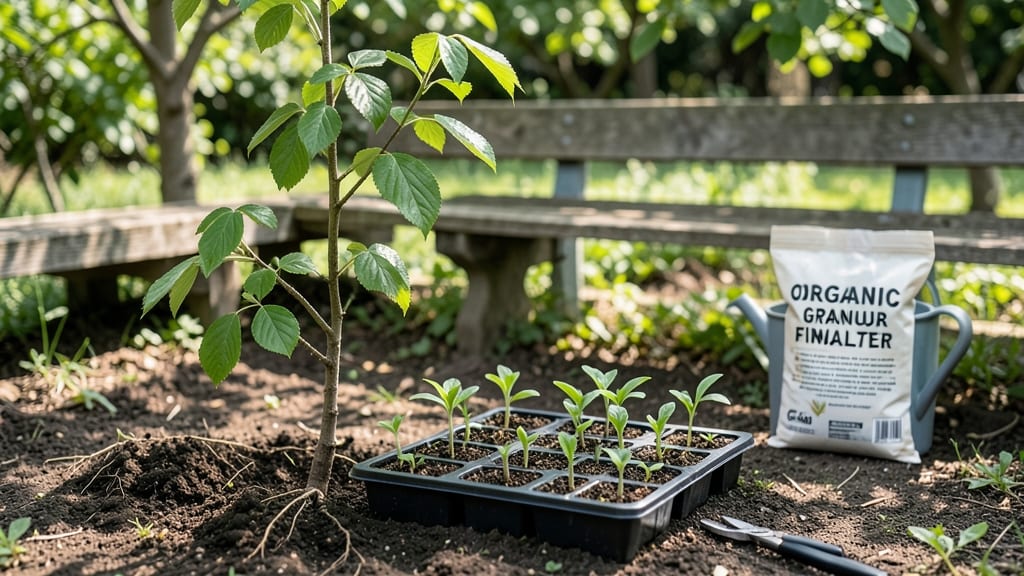
Growing rowan tree seedlings from scratch gives your Pacific Northwest garden a resilient, native beauty that thrives where many trees fail. 🌿 I’ve watched these hardy seedlings transform bare spots into vibrant, bird-friendly canopies—even through our wet winters and windy springs.
The key isn’t complicated: start with fresh seeds, give them the right soil mix, and protect them from deer until they’re established.
Rowan seedlings love partial sun to full shade, making them perfect for understory planting or woodland edges. They’re fuss-free once planted—just keep the soil moist for the first year, and they’ll reward you with glossy leaves and clusters of bright red berries that persist into winter.
The real magic? Their ecological role: birds adore the berries, and the dense foliage provides shelter for wildlife.
You’ll know you’re doing it right when seedlings hit 12-18 inches tall by their second summer, with sturdy trunks ready for transplanting. The berries arrive by year three, turning your garden into a late-season feast for robins and waxwings.
Best of all, rowans handle pruning like a champ—just shape them in late winter if needed.
Whether you’re restoring a native woodland or adding drama to a shady corner, rowan seedlings deliver low-maintenance, high-reward results. Let’s get yours growing strong—your future garden (and the birds) will thank you.
📚 In This Guide
- What you need
- Instructions
- Tips and common mistakes
- Wrapping up and next steps
What you need
- ● Rowan tree seeds: 10–20 fresh, high-quality seeds (harvested from ripe berries or purchased from a nursery).
- ● Seed-starting mix: 1–2 gallons of sterile, well-draining potting soil (look for a blend labeled for seedlings).
- ● Seedling trays or small pots: 6–12 individual cells or 4-inch pots (biodegradable pots are eco-friendly!).
- ○ Grow lights or sunny windowsill: A seedling heat mat (optional but helpful for germination).
- ● Spray bottle: For gentle watering (avoid over-saturating the soil).
- ● Plastic wrap or humidity dome: To retain moisture during germination.
- ● Pruners or scissors: Small, sharp tools for seed extraction (if harvesting from berries).
- ● Labels & markers: To track seedling progress (rowan varieties like Sorbus aucuparia or S. aucuparia ‘Edulis’ may differ).
- ● Outdoor space: A shaded nursery bed or greenhouse (once seedlings are 3–4 inches tall).
- ○ Fertilizer (optional): A balanced, water-soluble fertilizer (5-10-5 ratio) for transplanting.
- ○ Mulch (optional): Straw or wood chips to protect seedlings in colder months.
How to grow cold-hardy rowan tree seedlings in the Pacific Northwest
Here's how I've successfully nurtured these resilient seedlings into thriving trees.
🌱 Step 1: Collect and Stratify Seeds Properly
Rowan seeds need a cold stratification period to break dormancy. Collect ripe berries in late fall, remove the seeds, and place them in a sealed container with slightly damp sand. Store this mix in your refrigerator for 90-120 days—this mimics winter conditions and triggers germination.
I like to check the moisture level every few weeks. The sand should feel like a wrung-out sponge—damp but not wet. If you forget to check, you'll know it's too dry when the seeds start shrinking. This cold treatment is non-negotiable; without it, your seeds may never sprout.
☀️ Step 2: Prepare the Nursery Site
The Pacific Northwest's mild winters and wet springs create ideal conditions for rowan seedlings. Choose a partially shaded spot with well-draining soil—rowans hate soggy roots. I recommend amending native soil with 2 inches of compost to improve fertility without altering drainage.
Rowans tolerate a range of soil types but thrive in slightly acidic conditions (pH 5.0-6.5). If your soil tests higher, mix in 1 pound of elemental sulfur per 100 square feet before planting. The seedlings will show their appreciation with vigorous early growth.
🪴 Step 3: Plant Seedlings at the Right Depth
Plant stratified seeds ¼ inch deep in early spring when soil temperatures reach 45°F. Space seedlings 6-8 inches apart in nursery beds—they'll need room to develop strong root systems before transplanting. I find that using biodegradable pots for initial planting makes later transplanting much easier.
Water gently after planting to settle the soil around the seeds. Avoid heavy watering that could wash seeds deeper than intended. You'll see first true leaves emerge in 4-6 weeks, signaling successful germination. Keep the nursery bed consistently moist but never waterlogged during this critical period.
✂️ Step 4: Maintain Seedlings Through First Growing Season
Once seedlings reach 6 inches tall, begin fertilizing with a balanced 10-10-10 formula applied at half strength every 4 weeks. Rowan trees are relatively low-maintenance but respond well to regular feeding. I prefer organic options like fish emulsion for long-term soil health.
Prune leggy growth back by one-third to encourage bushier development. Watch for signs of stress like yellowing leaves—this usually indicates either overwatering or nutrient deficiency. The Pacific Northwest's frequent rain means you'll need to monitor drainage carefully; raised beds help prevent waterlogging.
⏰ Step 5: Prepare for Outplanting
After 12-18 months in the nursery, your seedlings will be ready for transplanting into permanent locations. Choose sites with morning sun and afternoon shade for best growth. Rowan trees develop strong wind resistance but appreciate some protection from winter winds.
Dig holes twice as wide as the root ball but no deeper. The top of the root ball should sit 1 inch above ground level to prevent water pooling. Mulch heavily with 3 inches of wood chips to conserve moisture and regulate soil temperature. Your seedlings will establish quickly in the Pacific Northwest's favorable climate.
Tips & tricks for perfect rowan tree seedling cultivation
These practical insights will help you transform fragile rowan seeds into robust Pacific Northwest trees.
Stratification Success: Don't rush the 90-120 day cold treatment—this is where germination magic happens. I've found that placing the seed-sand mix in a sealed plastic bag with a tiny air hole prevents moisture loss while maintaining the perfect damp environment. The key is consistency: check moisture every 3-4 weeks rather than weekly, as over-handling can disrupt the delicate stratification process.
Soil pH Precision: While rowans tolerate a range of soil types, achieving that ideal pH 5.0-6.5 range makes all the difference. For quick testing, use a simple soil pH meter (available at garden centers) rather than sending samples to a lab. If your soil tests above 6.5, elemental sulfur works best when mixed thoroughly into the top 6 inches of soil—don't just sprinkle it on top. The Pacific Northwest's naturally acidic soils often need this adjustment for optimal growth.
Transplant Timing: The 12-18 month nursery period might seem long, but it's crucial for developing strong root systems. I recommend transplanting in early spring when soil temperatures hit 45°F—this gives seedlings the full growing season to establish before winter. Look for seedlings with multiple sets of true leaves and roots extending beyond the root ball. These visual cues indicate readiness for permanent planting.
Pacific Northwest Climate Adaptation: Our region's wet springs create unique challenges. I've found that raised beds with 2-3 inches of compost on top prevent waterlogging while maintaining moisture. For container growing, use pots with drainage holes and a 50/50 mix of native soil and perlite. The key is replicating the natural forest floor conditions rowans thrive in—partial shade, good drainage, and consistent moisture without soggy roots.
Pro Tips for Rowan Tree Seedlings
- These practical insights will help you transform fragile rowan seeds into robust Pacific Northwest trees.
- Stratification Success: Don't rush the 90-120 day cold treatment—this is where germination magic happens.
- Soil pH Precision: While rowans tolerate a range of soil types, achieving that ideal pH 5.0-6.5 range makes all the difference.
Frequently asked questions
Got questions about growing rowan tree seedlings?
You’re not alone! Here are answers to the most common queries—whether you’re a Pacific Northwest gardener or just curious about this cold-hardy beauty.
How long does it take for rowan tree seedlings to grow into mature trees?
Rowan seedlings typically take 5–10 years to reach maturity (15–20 feet tall), but their growth rate depends on soil quality, sunlight, and care. In the Pacific Northwest’s mild climate, they often grow faster than in colder regions. Patience pays off—mature rowans offer stunning berries and year-round interest!
Are rowan tree seedlings truly cold-hardy? How do they handle PNW winters?
Rowan seedlings thrive in USDA Zones 3–7, making them perfect for the PNW’s chilly winters. They tolerate frost, snow, and even urban pollution. Just ensure they’re planted in well-draining soil—waterlogged roots can cause issues. Bonus: Their bright berries add winter color when other plants fade!
Can I grow rowan tree seedlings from store-bought berries, or should I buy nursery stock?
While you can grow rowans from berries (they’re bird-dispersed!), nursery seedlings are more reliable. Store-bought berries may not produce true-to-type trees, and germination takes 1–3 months in cold frames. For faster, guaranteed results, opt for local PNW nurseries specializing in native species.
Why are my rowan seedlings wilting or turning yellow? Troubleshooting tips!
Yellowing leaves or wilting often signal overwatering (rowans hate soggy roots) or nutrient deficiency (try a balanced fertilizer in spring). Check for pests like aphids or spider mites too. If soil feels compacted, loosen it gently—rowans prefer well-aerated conditions. A mulch layer helps retain moisture without suffocating roots.
What’s the best spacing for rowan seedlings in a garden or windbreak?
Space seedlings 10–15 feet apart for single-specimen planting or 6–8 feet for hedges/windbreaks. Rowans develop a rounded canopy, so crowding can lead to disease. In the PNW, their dense growth also makes them great for erosion control on slopes—just stake young trees if winds are strong!
Wrapping up and next steps
Growing rowan tree seedlings in the Pacific Northwest is a rewarding way to add resilience, beauty, and ecological value to your garden. These cold-hardy plants thrive with minimal fuss, offering vibrant foliage, wildlife support, and a striking presence year-round.
Whether you're a seasoned gardener or just starting, now is the perfect time to plant—your future garden (and local birds!) will thank you.
Ready to take the next step? Visit your local nursery or order seedlings online to kickstart your project. Happy planting! 🌱✨