
Pruning
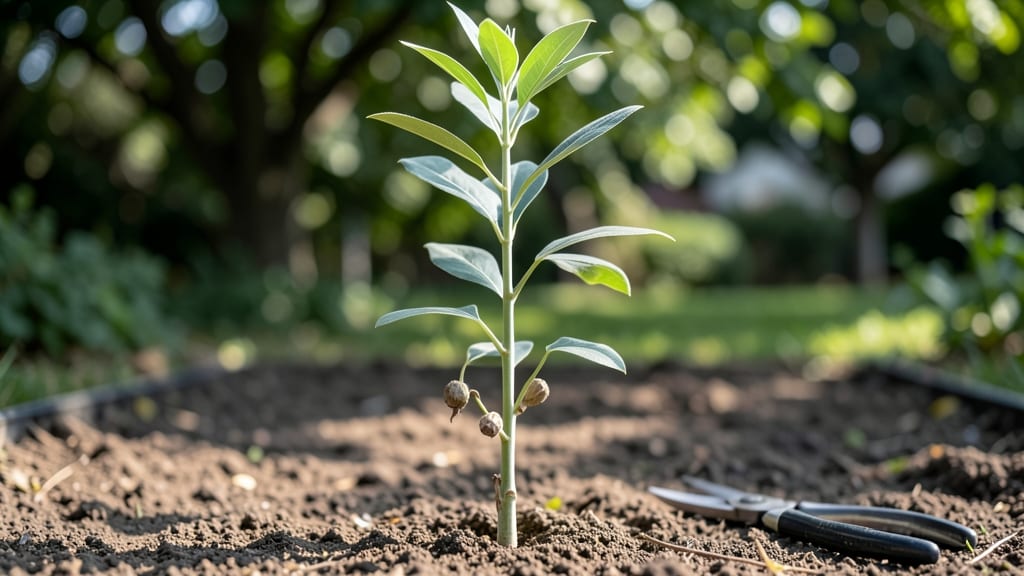
Growing a eucalyptus tree from seed in the Pacific Northwest rewards you with a fragrant, evergreen giant that hums with pollinators year-round. 🌿 The trick starts with fresh, viable seed—many gardeners skip this step and end up with years of waiting for nothing.
My first attempt failed when I used dried seed from a grocery store; the second, using seed collected straight from a local tree, sprouted within weeks.
You’ll need a warm spot (70–80°F), a mix of potting soil and perlite for drainage, and patience—these seeds can take 3–6 months to germinate. The real secret is keeping the soil consistently moist but never soggy, which mimics the eucalyptus’s native Mediterranean climate.
Once sprouted, they’re surprisingly hardy, but they despise cold drafts and overwatering.
By year two, you’ll have a sturdy sapling ready to transplant outdoors, its silvery leaves already attracting bees and butterflies. The scent alone—like a spa in a bottle—makes it worth the wait. Just avoid planting near sidewalks; roots spread wider than most gardeners expect.
Common pitfalls? Seed dormancy and slow growth. Soak seeds overnight before planting, and use a heat mat if your home stays cool. With the right care, you’ll have a 10-foot pollinator magnet in a decade—no nursery-bought tree can compete with that.
📚 In This Guide
- What you need
- Instructions
- Tips and common mistakes
- Wrapping up and next steps
What you need
- ● Eucalyptus seeds: 10–20 seeds (preferably Eucalyptus globulus or Eucalyptus cinerea, native-friendly varieties). Opt for fresh, untreated seeds for best germination.
- ● Seed-starting mix: 1–2 gallons of sterile, well-draining potting soil (avoid garden soil—it can harbor pathogens). Look for a mix labeled "seed-starting" or "cactus/succulent blend."
- ● Planting containers: Small seed trays or biodegradable pots (3–4 inches deep) for germination.
- ● 1–2 larger pots (5–7 gallons) for young seedlings (eucalyptus grows fast!).
- ○ Grow lights or sunny windowsill: A seedling heat mat (optional but helpful) to maintain soil temps between 65–75°F (18–24°C).
- ● Spray bottle: For gentle watering (avoid drowning seeds!).
- ● Pruning shears: Small, sharp shears (for future pruning—eucalyptus can get leggy!).
- ● Mulch: Wood chips or straw (to retain moisture and suppress weeds once planted outdoors).
- ● Sunny location: Full sun (6+ hours daily). Eucalyptus thrives in the PNW’s mild climate but needs lots of light!
- ● Well-draining soil: Amend heavy or clay soil with compost or sand to prevent root rot.
- ● Space to grow: Mature trees can reach 30–100 feet tall—plant at least 10–15 feet from structures or power lines.
- ● Water source: Drip irrigation or hose for consistent moisture (especially in the first year).
- ● Seed scarification tools (sandpaper or a knife) to nick seeds for faster germination.
- ● Fertilizer (low-nitrogen, high-phosphorus blend) for young seedlings.
- ● Pollinator-friendly companion plants (e.g., lavender, salvia) to boost your haven’s appeal.
- ● Tree supports (stakes or cages) for windy PNW sites.
Step-by-step guide to growing eucalyptus trees from seed in the Pacific Northwest
Here's how to nurture these fragrant giants from seed to sapling—with PNW-specific adjustments.
🌱 Step 1: Stratify and Germinate Seeds for Strong Starts
Eucalyptus seeds need cold stratification to break dormancy. Place seeds in a moistened paper towel inside a sealed plastic bag and refrigerate for 4-6 weeks. Check weekly—they're ready when the outer shell softens slightly (press gently; it should yield slightly).
After stratification, sow seeds ¼ inch deep in a sterile seed-starting mix (never garden soil—it's too dense). Use a 2-3 inch deep tray to prevent overcrowding. Keep the mix consistently moist but not soggy—water from below by placing the tray in ½ inch of water for 10 minutes daily. Germination takes 2-4 weeks at 70-75°F.
Here's the thing—don't rush this step. If seeds sprout too fast, they'll be weak. Wait until 50% germination before moving to light. You'll see tiny green hooks poking through the soil—this is your cue to act.
☀️ Step 2: Provide Bright, Indirect Light for Seedlings
Once sprouted, eucalyptus seedlings need bright, indirect light for the first 4-6 weeks. A south-facing window works, but supplement with a grow light if natural light is weak. Position the light 2-3 inches above the seedlings and keep it on for 14-16 hours daily.
Watch for leggy growth—thin, stretched stems with large leaves. This means the light is too far away. Adjust immediately to prevent weak stems. Strong seedlings have thick stems, small leaves, and compact spacing between growth nodes.
Real talk: Eucalyptus seedlings are sensitive to drafts. Keep them in a warm (65-70°F), humid (50-60%) spot. A clear plastic dome helps retain moisture while they establish roots.
🪴 Step 3: Transplant to Larger Containers and Harden Off
When seedlings reach 3-4 inches tall (about 8-10 weeks after sowing), move them to 5-inch pots with well-draining potting mix. Gently loosen roots with your fingers—eucalyptus hates root disturbance, so handle carefully. Water deeply after transplanting to settle the soil.
Start hardening off 2 weeks before outdoor planting. Place seedlings outside in partial shade for 1-2 hours the first day, gradually increasing time over 10-14 days. By the end, they should tolerate full sun without wilting. Choose a sheltered spot to avoid windburn.
This is the moment that matters: Only transplant outdoors after the last frost (mid-May in the PNW). Eucalyptus roots are shallow but sensitive to cold—waiting ensures survival.
✂️ Step 4: Maintain Moisture and Prune for Bushier Growth
Young eucalyptus trees need consistent moisture—water 1-2 inches per week (more in summer). Mulch with 2-3 inches of wood chips to retain moisture and suppress weeds. Keep mulch 2 inches away from the trunk to prevent rot.
Prune leggy growth in early spring to encourage bushier habits. Cut back 1/3 of the longest stems just above a leaf node. Avoid heavy pruning—eucalyptus responds poorly to aggressive cuts. You'll see new side shoots within 4-6 weeks if pruned correctly.
Here's where it gets fun—watch for pollinators! Eucalyptus flowers attract bees, butterflies, and hummingbirds year-round in the PNW. A well-established tree becomes a magnet for wildlife, fulfilling the pollinator haven promise.
Tips & tricks for growing thriving eucalyptus from seed
Between us, these fragrant giants need a little extra TLC to thrive—especially in our Pacific Northwest climate. Here's how to give them the best possible start.
Stratification Secret: Don't skip the 4-6 week cold treatment—it's non-negotiable for breaking eucalyptus dormancy. I've tried planting unstratified seeds and they barely germinate. Pro tip: Place a damp paper towel with seeds in a sealed bag, then nestle it in your fridge's crisper drawer where humidity is higher. The extra moisture consistency makes all the difference during those crucial weeks.
Lighting Strategy: That 14-16 hours of daily light in Step 2 is critical, but position matters just as much. I've learned the hard way that eucalyptus seedlings develop leggy growth when lights are too far away. Start with the grow light just 2-3 inches above the seedlings—close enough that you could almost touch them. Watch for those telltale stretched stems and adjust immediately if you see them forming.
Transplanting Technique: When moving to 5-inch pots at the 8-10 week mark, be extra gentle with those shallow roots. I use a butter knife to carefully loosen the soil around the edges first, then slide the seedling out. The key is to preserve as much root structure as possible—eucalyptus roots are sensitive and can take weeks to recover from rough handling. Water deeply right after transplanting to help settle the soil around those delicate roots.
PNW-Specific Hardening: Our Pacific Northwest weather throws curveballs, so extend that 2-week hardening off period by 3-4 days if you're in a cooler microclimate. Start with just 1 hour outside on day one, then gradually increase. I've seen seedlings shocked by sudden temperature swings during our unpredictable spring weather—better safe than sorry with these sensitive plants.
Pro Tips for Seeded Eucalyptus Tree
- Between us, these fragrant giants need a little extra TLC to thrive—especially in our Pacific Northwest climate.
- Stratification Secret: Don't skip the 4-6 week cold treatment—it's non-negotiable for breaking eucalyptus dormancy.
- Lighting Strategy: That 14-16 hours of daily light in Step 2 is critical, but position matters just as much.
Frequently asked questions
Got questions about growing seeded eucalyptus trees in the Pacific Northwest? You’re not alone! Here are answers to the most common queries—from planting to pollinator perks.
How long does it take for eucalyptus seeds to germinate?
Eucalyptus seeds typically germinate in 14–30 days under ideal conditions (warmth, moisture, and indirect light). Pro tip: Soak seeds overnight before planting to speed up the process! Cold stratification (chilling) may help break dormancy for some varieties. Patience is key—some stubborn seeds take up to 60 days.
Can I grow a eucalyptus tree from seed in the PNW’s rainy climate?
While eucalyptus loves well-draining soil, the PNW’s damp winters can be tricky. Plant in spring or early summer to avoid waterlogged roots. Use a raised bed or mound to improve drainage, and mulch heavily to protect young seedlings. Bonus: Their silver-blue foliage adds a striking contrast to the green PNW landscape!
How fast do seeded eucalyptus trees grow?
Seeded eucalyptus trees grow moderately fast—expect 2–4 feet per year under optimal conditions. In the PNW, growth may slow slightly in cooler summers but speeds up with full sun and consistent watering. Dwarf varieties (like Eucalyptus pauciflora) stay compact, while taller species (like Eucalyptus globulus) can reach 100+ feet with time!
Do seeded eucalyptus trees attract more pollinators than grafted ones?
Yes! Seeded eucalyptus often produces more diverse flowers (and thus nectar) than grafted varieties, making them a superior pollinator magnet. Their fragrant blooms draw bees, butterflies, and hummingbirds year-round in the PNW. Fun fact: Some varieties bloom multiple times per year, extending the pollinator buffet!
Why isn’t my eucalyptus seedling growing? Troubleshooting tips.
Sluggish growth? Check these common issues:
- Overwatering: Eucalyptus hates soggy roots. Let soil dry slightly between waterings.
- Poor sunlight: They need 6+ hours of sun daily. Move seedlings to a sunnier spot if possible.
- Nutrient deficiency: Yellow leaves? Amend soil with compost or a balanced fertilizer (low nitrogen).
- Pests: Watch for aphids or scale insects. Spray with neem oil if needed.
Still struggling? Test your soil pH—eucalyptus prefers 6.0–7.0.
Are there alternatives to seeded eucalyptus for pollinators?
If seeding feels daunting, consider these PNW-friendly pollinator plants with similar benefits:
- Ceanothus (California lilac) – Drought-tolerant & nitrogen-fixing.
- Manzanita – Evergreen with spring blooms.
- Redbud trees – Early spring flowers for bees.
- Native sage – Low-water, pollinator-loved.
But for year-round interest, nothing beats eucalyptus’ aromatic leaves + flowers!
Wrapping up and next steps
Planting a seeded eucalyptus tree in the Pacific Northwest isn’t just about adding beauty—it’s a gift to pollinators year-round! 🌿 These hardy trees thrive with minimal fuss, offering shelter and sustenance to bees, butterflies, and birds while boosting your garden’s biodiversity.
Whether you’re a seasoned gardener or just starting, your effort makes a real difference.
Ready to take the next step? Start with a single seedling this season, monitor its growth, and watch as it becomes a thriving hub for local wildlife. Your pollinator haven is just a seed away! 🌱