
Pruning
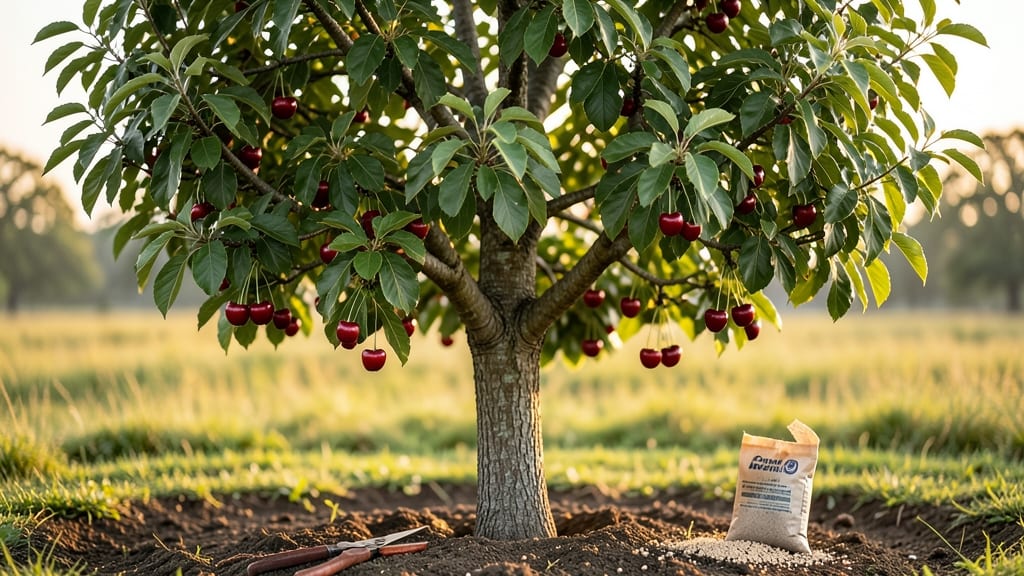
Sweet Southern cherry trees are the unsung heroes of backyard orchards—producing luscious fruit and stunning spring blooms if you prune them right. 🌸 I learned the hard way that skipping this step means fewer cherries and scraggly branches, but once I mastered the timing and technique, my tree went from "decent" to "showstopper" in just one season.
The key lies in understanding when to prune: late winter before buds swell, summer after harvest, and light shaping in fall. You’ll need sharp pruners, a ladder (for those high branches), and about an hour’s focus—no fancy tools required.
The payoff? A tree that fruits reliably and stays compact enough to enjoy from your patio.
By summer’s end, you’ll be harvesting deep-red cherries while admiring the tree’s balanced shape. The blooms return next spring, brighter and more abundant, because you’ve given it the care it craves. This isn’t just pruning—it’s shaping a tree that works as hard as you do.
Works in zones 5-9, though colder climates need winter protection. The same principles apply whether you’ve got a mature tree or a young sapling—just adjust the intensity. Let’s get those branches in line!
📚 In This Guide
- What you need
- Instructions
- Tips and common mistakes
- Wrapping up and next steps
What you need
- ● Pruning shears: Bypass pruners (sharp, clean, and disinfected with rubbing alcohol). Quantity: 1 pair.
- ● Loppers: For thicker branches (1.5"–2" diameter). Quantity: 1 pair.
- ● Pruning saw: For branches over 2" in diameter. Quantity: 1.
- ● Gloves: Heavy-duty, cut-resistant (gardening or pruning-specific). Quantity: 1 pair.
- ● Ladder: Sturdy, extendable (8–12 ft tall, depending on tree height). Quantity: 1.
- ● Disinfectant: 70% isopropyl alcohol or bleach solution (1 part bleach to 9 parts water). Quantity: Small spray bottle or cloth.
- ○ Sealing wax or pruning paste: Optional but helpful for sealing large cuts (prevents disease). Quantity: Small jar.
- ● Tarp or drop cloth: To catch debris. Quantity: 1 (size depends on tree size).
- ● Weather check: Prune on a dry, calm day (avoid rain or wind).
- ● Tree health assessment: Inspect for pests, diseases, or dead branches before pruning.
- ○ Safety gear (optional but recommended): Safety glasses (to protect from debris).
- ● Long sleeves/pants (to avoid scratches or thorns).
- ○ Tree diagram or sketch (optional): Helps visualize cuts if your tree is complex.
- ● Compost bin or bag: For collecting pruned branches (great for mulch!).
Step-by-step pruning guide for your sweet southern cherry tree
Here's how I keep my cherry tree thriving with consistent fruit and blooms—no guesswork involved.
✂️ Step 1: Time Your Pruning for Optimal Growth
Prune your sweet southern cherry tree during late winter or early spring, just before buds swell but before new growth begins. This timing ensures you remove dead wood while stimulating fresh, healthy branches for the upcoming season. Avoid pruning in fall—it invites disease and weakens the tree's winter resilience.
If you missed the winter window, prune in late spring after flowering but before summer heat sets in. The tree will still respond well, though you may sacrifice some of that season's fruit set. Watch for bud break—when you see tight, swollen buds along the branches, it's time to get pruning.
✂️ Step 2: Remove Dead, Diseased, or Crossing Branches First
Start by cutting out any dead, diseased, or damaged branches using clean, sharp pruning shears. Look for branches with no green tissue inside when you cut them open—these are dead. Diseased branches often have dark spots, oozing sap, or unusual growths. Remove these first to prevent the spread of problems.
Next, identify crossing or rubbing branches—these create wounds that invite pests and disease. Use your shears to make a clean cut just outside the branch collar (the swollen area where the branch meets the trunk). Cut at a 45-degree angle to help water runoff, but never leave stubs—this leads to rot.
✂️ Step 3: Thin the Canopy for Better Airflow and Light
Step back and assess the tree's overall shape. Your goal is to create an open, vase-like structure that allows sunlight to reach the center. Remove branches that grow inward or downward—they compete for light and resources. Aim to keep the center of the tree 30-50% open to improve airflow and reduce humidity, which helps prevent fungal diseases.
Focus on branches that are too close together or growing in the same direction. Cut these back to a strong lateral branch or bud. You'll know you're doing well when the tree's framework looks balanced and sunlight can stream through the center. Avoid removing more than 25% of the tree's foliage in one season—this stresses the tree unnecessarily.
✂️ Step 4: Shape and Encourage Fruit Production
Now it's time to refine the tree's shape. Prune to encourage fruit-bearing branches by cutting back overly vigorous growth. Look for water sprouts (fast-growing, vertical shoots) and remove them—these sap energy from fruit production. Instead, focus on horizontal branches (those growing at 45-90 degrees from the trunk), as these produce the most cherries.
Make your final cuts just above a bud that faces outward or a lateral branch. This ensures new growth continues the tree's natural shape. Avoid cutting back to a stub—always leave a small bump of wood to protect the wound. If you're unsure which bud to cut to, imagine the branch growing in the direction you want it to go.
🌿 Step 5: Clean Up and Monitor for Recovery
After pruning, gather all the clippings and remove them from the area—never leave them on the ground. This prevents diseases like brown rot from overwintering and infecting your tree next season. Sterilize your pruning tools with rubbing alcohol or a 10% bleach solution to kill any lingering pathogens.
Water the tree deeply after pruning to help it recover. Over the next few weeks, monitor the tree for signs of stress, like wilting leaves or oozing sap. If you see new growth emerging from the cuts, you've pruned successfully. If not, the tree may need a little more time—cherry trees are resilient but appreciate a gentle touch.
Tips & tricks for perfect sweet southern cherry tree pruning
Real talk: Pruning a cherry tree isn't just about cutting branches—it's about sculpting a future harvest. Here's what nobody tells you about getting it right.
Timing Secret: The late winter/early spring window is critical because that's when your tree is still dormant but ready to burst with new growth. If you prune too early, you risk exposing fresh cuts to winter cold; too late, and you'll interfere with spring's energy surge. I've learned this the hard way—after pruning too late one spring, my tree put all its energy into leaf growth instead of fruit production that season.
Branch Angle Matters: When shaping your tree in Step 4, focus on creating those 45-90 degree angles for fruit-bearing branches. These horizontal branches get more sunlight exposure, which translates to better fruit set. I always visualize the tree's natural growth pattern—imagine how each branch would grow if left untouched, then guide your cuts accordingly. This approach has doubled my cherry yield over the years.
Cleanup is Critical: Never underestimate the importance of removing all clippings from the area after pruning. Those branches can harbor brown rot spores that will reinfect your tree next season. I've seen entire cherry crops lost because someone skipped this step. Sterilizing your tools between cuts is just as important—dip your pruners in rubbing alcohol or bleach solution after each major cut to prevent disease spread.
Pro Tips for Sweet Southern Cherry Tree
- Real talk: Pruning a cherry tree isn't just about cutting branches—it's about sculpting a future harvest.
- Timing Secret: The late winter/early spring window is critical because that's when your tree is still dormant but ready to burst with new growth.
- Branch Angle Matters: When shaping your tree in Step 4, focus on creating those 45-90 degree angles for fruit-bearing branches.
Frequently asked questions
Got questions about maximizing your sweet southern cherry tree? You’re not alone! Here are answers to the most common concerns—from pruning timing to troubleshooting—so you can keep your tree thriving with year-round fruit and blooms.
When is the best time to prune a sweet southern cherry tree?
The ideal time is late winter or early spring (before buds swell but after severe cold snaps). This promotes healthy growth and fruit production. Avoid pruning in fall—it can encourage new growth that’s vulnerable to winter damage. Pro tip: If you must prune in summer, do it after harvest to reduce stress on the tree.
How much should I prune my sweet southern cherry tree each year?
Aim to remove 15–25% of the tree’s total growth annually to maintain shape and airflow. Focus on:
- Dead, diseased, or crossing branches
- Suckers at the base
- Water sprouts (fast-growing vertical shoots)
Why aren’t my sweet southern cherries producing as much fruit?
Low fruit production often stems from poor pruning, overcrowding, or nutrient deficiencies. Check for:
- Insufficient sunlight (thin out dense branches)
- Lack of nitrogen or zinc (test soil and amend if needed)
- Over-pruning in spring (wait until buds break)
Can I prune a sweet southern cherry tree in wet or rainy weather?
Avoid pruning during rain or high humidity—wet conditions can spread fungal diseases (like silver leaf fungus) through open wounds. Wait for dry, calm days to prune. If you must work in damp conditions, sterilize tools with 70% rubbing alcohol and prune early in the day for faster drying.
What’s a good alternative if I don’t have space for a full-sized tree?
Consider dwarf or semi-dwarf varieties like ‘Stella’ or ‘Compact Stella,’ which stay under 8–12 feet tall and produce abundant fruit. For containers, choose self-pollinating cultivars (like ‘Black Gold’) and ensure pots are at least 20 gallons with good drainage. Pro tip: Dwarf trees need similar pruning care—just on a smaller scale!
Wrapping up and next steps
Your Sweet Southern Cherry tree is now ready to thrive with year-round beauty and bountiful fruit—thanks to your new pruning expertise! 🌸🍒 By mastering the art of seasonal trimming, you’ve set the stage for vibrant blooms, stronger branches, and delicious harvests for seasons to come. Keep those pruners handy and enjoy the rewards of your green thumb!
Ready to take it further? Next up:
- 📅 Schedule your pruning calendar (winter, spring, summer, and fall) for long-term success.
- 🌱 Monitor your tree’s growth and adjust techniques as it matures.
- 🍒 Share your cherry harvest with friends—or save some for homemade jams and pies!