
Pruning
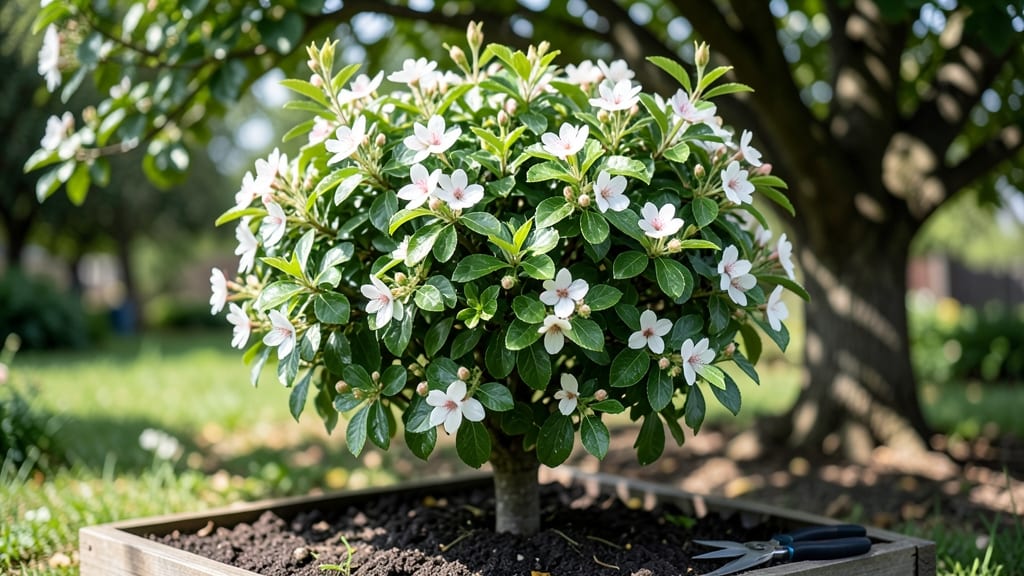
The sweetheart cherry tree transforms any yard into a lush, fruiting centerpiece with its weeping branches and juicy cherries. 🌿 I planted mine last spring, and now it’s covered in delicate blossoms that smell like springtime itself—even in late fall.
The best part? It produces fruit for months, not just one short summer harvest.
This tree thrives in full sun and well-draining soil, making it perfect for most climates—just avoid soggy roots. Pruning is minimal, mostly for shaping, so you won’t spend hours with shears.
The key is planting it in a spot where it can grow wide (20-30 feet) without crowding other plants.
By summer, you’ll be picking tart-sweet cherries that birds won’t touch—if you’re fast enough. The tree’s ornamental value doesn’t end there: its pink spring blooms and glossy fall leaves make it a year-round showstopper. Even in winter, the silhouette is striking against a snowy backdrop.
Whether you’re growing it for fruit, shade, or beauty, this tree delivers. The only catch? Patience—it takes 3-5 years to bear full crops. But once it does, you’ll have cherries for pies, snacks, or sharing with neighbors. Ready to plant one?
📚 In This Guide
- What you need
- Instructions
- Tips and common mistakes
- Wrapping up and next steps
What you need
- ● Sweetheart cherry tree: Choose a Prunus avium (sweet cherry) variety, preferably a dwarf or semi-dwarf type (6–10 ft tall) for easier pruning. Buy from a reputable nursery (bare-root or potted).
- ● High-quality soil: Well-draining, slightly acidic soil (pH 6.0–6.5). Amend with compost (1–2 bags) or peat moss if your soil is heavy clay.
- ● Fertilizer: Balanced fertilizer (10-10-10) – 1 lb for planting, plus slow-release granular fertilizer (e.g., Osmocote) for spring/summer.
- ● Organic options: Fish emulsion or composted manure (5–10 lbs) for nutrient boosts.
- ● Mulch: Wood chips or straw (2–3 inches deep), keeping it 3–4 inches away from the trunk to prevent rot.
- ● Pruning tools: Bypass pruners (sharp, clean, and disinfected with rubbing alcohol).
- ● Loppers (for thicker branches, 18–24 inches).
- ● Pruning saw (for stubborn branches, only if necessary).
- ● Gloves: Heavy-duty gardening gloves (cut-resistant for pruning).
- ● Shovel & trowel: For planting/digging (round-point shovel for roots).
- ● Watering can or hose: With a soaker hose attachment for deep watering.
- ○ Tree stakes & ties (optional): If planting a young tree in windy areas (2–3 stakes, 6 ft long).
- ● Sunlight: Full sun (6–8+ hours daily)—no compromises!
- ● Space: Minimum 10–15 ft diameter for dwarf varieties (check mature size on your tree tag).
- ● Water access: Consistent moisture (especially first year). Drought = stress = fewer cherries! 💧
- ● Patience: Sweetheart cherries take 3–5 years to bear fruit (but worth the wait!).
- ● Tree guard: Wire mesh or plastic wrap to protect young trees from critters.
- ● Drip irrigation system: Automates watering (great for busy gardeners!).
- ● Fruit thinning shears: For post-harvest pruning (if you’re ambitious!).
- ● Soil test kit: Check nutrient levels before planting (<$20 at garden centers).
Step-by-step instructions for planting and caring for a sweetheart cherry tree
Here's how to get your tree thriving from the first season onward.
🌱 Step 1: Choose the Perfect Planting Spot and Prepare the Soil
Sweetheart cherry trees love full sun—plant in a location with at least 6-8 hours of direct sunlight daily. I always check the spot in late afternoon when the sun is low; this helps you visualize how much shade nearby structures might cast. The tree needs well-draining soil, so if your yard has heavy clay, mix in 2-3 inches of compost to loosen it up before planting.
Dig a hole twice as wide as the tree's root ball but only as deep. The top of the root ball should sit 1-2 inches above ground level—this prevents water from pooling around the trunk. I like to backfill with a mix of native soil and compost to give the roots a nutrient boost right away. Water deeply after planting to settle the soil and eliminate air pockets.
💧 Step 2: Water Deeply and Establish a Routine
Water your sweetheart cherry tree deeply once a week during the first growing season, providing about 10-15 gallons of water per tree. You'll know you've watered enough when the soil feels moist 12 inches deep—stick a screwdriver into the ground to check. Overwatering is just as harmful as underwatering, so avoid soggy soil.
Here's the thing—mulch makes all the difference. Spread 2-3 inches of organic mulch (like wood chips) around the base, keeping it 3-4 inches away from the trunk. This helps retain moisture, suppresses weeds, and regulates soil temperature. I always reapply mulch annually to maintain that protective layer.
☀️ Step 3: Prune Strategically for Shape and Health
Sweetheart cherry trees are naturally compact, so minimal pruning is all they need. The best time to prune is late winter or early spring before new growth begins. Remove any dead, diseased, or crossing branches first—these are easy to spot as they stand out against the healthy green growth. Use clean, sharp pruners to make cuts just outside the branch collar.
For shaping, I focus on opening up the center of the tree to allow sunlight and air to reach the inner branches. You'll see new growth emerge within a few weeks of pruning—that's your signal everything is working. Avoid heavy pruning in the fall, as it can stimulate new growth that won't harden off before winter.
✂️ Step 4: Harvest Cherries and Maintain Year-Round Care
Sweetheart cherries ripen in late summer, so keep an eye on the fruit as it transitions from green to a deep red hue. I like to taste-test a few cherries—when they're sweet and slightly soft to the touch, they're ready for picking. Harvest on a dry morning to avoid spreading disease, and pick gently to avoid damaging the stems.
After harvesting, give your tree a light feeding with a balanced fertilizer (like 10-10-10) in early spring to replenish nutrients. This encourages strong growth and better fruit production next year. In colder climates, wrap the trunk with tree wrap to protect it from winter sunscald and freezing temperatures.
Tips & tricks for perfect sweetheart cherry tree care
Real talk: These small details make the difference between a struggling tree and a thriving fruit producer.
Sunlight Secret: That 6-8 hours of sunlight isn't just about growth—it's about fruit quality. I've seen trees in partial shade produce smaller cherries with less sweetness. If your yard has afternoon shade, consider planting on the north side of structures to maximize morning sun exposure. The low afternoon sun check I mentioned? That's when you'll spot potential shade problems you might miss at noon.
Soil Prep Pro Tip: The 2-3 inches of compost recommendation is non-negotiable for heavy clay soils, but don't stop there. I like to mix in a handful of perlite or coarse sand to improve drainage even further. This prevents waterlogging, which can suffocate roots—especially important during those deep weekly waterings. The root ball sitting 1-2 inches above ground level? That's not just about aesthetics; it prevents girdling as the tree matures.
Watering Wisdom: Those 10-15 gallons might sound like a lot, but remember—you're watering deep, not frequent. I test soil moisture by pushing a screwdriver in; if it slides in easily 12 inches down, you're good. Pro move: Water in the morning so leaves have all day to dry, reducing disease risk. And that mulch ring? Keep it consistent—uneven mulch can create moisture pockets that attract pests.
Pruning Precision: Late winter/early spring timing is critical because you want to prune before the tree's energy shifts to new growth. I always make my cuts just outside the branch collar—this little detail prevents unsightly stubs that can invite disease. For shaping, think "open center" like a vase—this lets sunlight penetrate to the inner branches where fruit develops. And that new growth appearing within weeks? That's your confirmation the tree is happy with your cuts.
Pro Tips for Sweetheart Cherry Tree
- Real talk: These small details make the difference between a struggling tree and a thriving fruit producer.
- Sunlight Secret: That 6-8 hours of sunlight isn't just about growth—it's about fruit quality.
- Soil Prep Pro Tip: The 2-3 inches of compost recommendation is non-negotiable for heavy clay soils, but don't stop there.
Frequently asked questions
Got questions about growing and maintaining your sweetheart cherry tree? You’re not alone! Here are some of the most common queries—plus straightforward answers—to help you cultivate a thriving, low-maintenance tree with delicious fruit year after year.
How long does it take for a sweetheart cherry tree to bear fruit?
A Prunus avium (sweetheart cherry) typically takes 3–5 years to produce fruit after planting, depending on climate, soil quality, and care. Young trees focus on root and branch growth first, so patience is key! Choose a well-drained site and fertilize annually to speed up fruiting. Pro tip: Cross-pollination helps—plant two trees (or nearby pollinators) for better yields!
When is the best time to prune a sweetheart cherry tree?
Prune your sweetheart cherry tree during late winter or early spring (before buds swell) to avoid spreading fungal diseases. Avoid heavy pruning in fall, as it can stimulate late-season growth vulnerable to frost damage. Focus on removing dead, diseased, or crossing branches—this tree thrives with minimal intervention! Bonus: Light summer pruning can improve airflow if needed.
Why aren’t my sweetheart cherries ripening fully?
Incomplete ripening often stems from insufficient sunlight (6+ hours daily), overwatering (root rot risk), or nutrient deficiencies (especially nitrogen or potassium). Check your tree’s location—partial shade can delay sweetness. Test soil pH (ideal: 6.0–6.5) and amend with compost if needed. Watch for: Yellow leaves (nitrogen) or small fruit (phosphorus).
Can I grow a sweetheart cherry tree in a container?
While possible, sweetheart cherries prefer deep, well-draining soil and struggle in containers long-term. If you must try, use a 15+ gallon pot with fast-draining mix and prune roots annually. Expect smaller fruit yields and more frequent watering. For best results, plant in-ground where roots can spread freely. Alternative: Dwarf varieties like ‘Stella’ may adapt better to containers!
Do sweetheart cherries need bees for pollination?
Yes! While some varieties self-pollinate, bees and other pollinators dramatically increase fruit set. Plant bee-friendly flowers nearby (e.g., lavender, clover) to attract them. If your area lacks pollinators, hand-pollinate by gently transferring pollen with a brush between blossoms. Fun fact: Early spring blooms mean timing matters—avoid pesticides during bloom!
How cold-hardy are sweetheart cherries?
Sweetheart cherries tolerate USDA Zones 5–8, with most varieties handling down to −15°F (−26°C). Young trees need winter protection (mulch, burlap wraps) in colder zones. Late frosts can damage blossoms—consider row covers during peak bloom for extra safety. Note: Dormant trees are hardier than fruiting ones!
Wrapping up and next steps
Growing a sweetheart cherry tree is a rewarding journey that blends beauty with delicious fruit—all while keeping maintenance simple! 🌸 With the right soil, sunlight, and minimal pruning, you’ll enjoy vibrant blossoms and sweet, juicy cherries year after year.
Whether you’re a seasoned gardener or just starting, this low-maintenance tree is the perfect addition to your yard or orchard.
Ready to take the next step? Start by selecting a healthy sapling or young tree, then follow the care tips shared here. Before you know it, you’ll be savoring homemade cherry pies or sharing fresh fruit with neighbors—all thanks to your thriving sweetheart cherry tree! 🍒