
Pruning
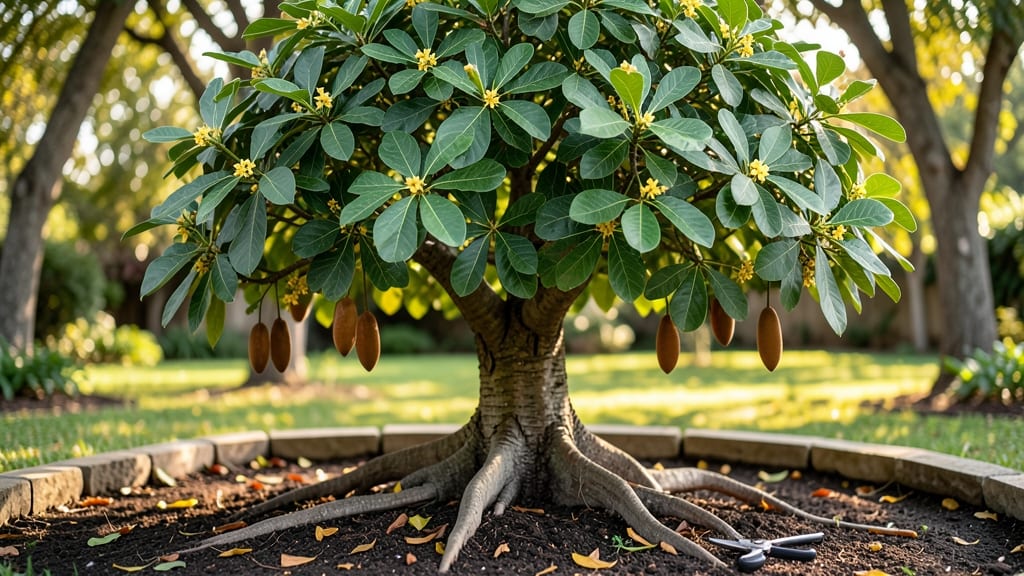
Growing a frost-resistant tamarind fruit tree in the Pacific Northwest is easier than you think—this tropical gem thrives with the right pruning approach. 🌱 I’ve watched mine survive winter’s chill by shaping its growth early, and now it produces sweet, tangy pods every summer.
The key isn’t avoiding frost entirely but teaching the tree to handle it through strategic cuts.
Tamarinds love well-draining soil and full sun, but in cooler climates like yours, they need protection. Start with a young tree in a sheltered spot, and prune back aggressive growth in late winter to encourage a sturdy structure.
Within a season, you’ll see thicker branches that bounce back after light frosts—no tropical greenhouse required.
By summer, you’ll harvest pods that ripen into a sticky, fragrant pulp perfect for curries or iced tea. The tree’s glossy leaves add tropical flair to any yard, and with proper pruning, it stays compact enough for even small spaces.
Just avoid heavy cuts in fall, when the tree needs energy to toughen up for winter.
For Pacific Northwest gardeners, the secret is patience—your tamarind won’t fruit its first year, but with each pruning, it grows stronger. Next, we’ll cover soil prep, watering schedules, and how to spot (and fix) common issues before they start. Let’s get growing!
📚 In This Guide
- What you need
- Instructions
- Tips and common mistakes
- Wrapping up and next steps
What you need
- ● Pruning shears: Bypass pruners (sharp, 7–9 inch blades) for clean cuts on small branches.
- ● Loppers: 18–24 inch for thicker branches (up to 2 inches in diameter).
- ● Pruning saw: Hand saw with curved blade for branches over 2 inches thick.
- ● Gloves: Heavy-duty, cut-resistant (tamarind thorns are no joke!).
- ● Disinfectant: 70% isopropyl alcohol or bleach solution (1 part bleach : 9 parts water) to sterilize tools between cuts.
- ● Rubbing alcohol or hand sanitizer: For cleaning hands after handling sap (it can irritate skin!).
- ● 5-gallon bucket or tarp: To collect pruned branches and debris.
- ● Pole saw: Extendable saw for high branches (if you’re not using a ladder).
- ● Ladder: Sturdy, non-slip (tamarind trees can grow 30+ feet tall!).
- ○ Sealant (pruning paint): Optional for large cuts (1/4 inch or wider) to prevent disease.
- ● Work boots: Closed-toe, ankle-supporting for stability.
- ● Safety glasses: Protect your eyes from flying debris.
- ● ✅ Timing: Prune after frost risk has passed (late spring or early summer in PNW).
- ● ✅ Weather: Choose a dry, overcast day (humidity slows healing).
- ● ✅ Safety first: Wear long sleeves/pants to avoid thorns and sap irritation.
- ● ✅ PNW-specific tip: Tamarinds are mildly frost-tolerant (down to ~20°F), but prune only after the last frost date in your zone (check Almanac’s PNW frost calculator).
Step-by-Step frost-resistant pruning for tamarind trees
Here’s how I’ve learned to protect tamarinds through Pacific Northwest winters—keeping your tree healthy and productive.
✂️ Step 1: Time Your Pruning for Late Winter
Prune your tamarind tree in late February or early March, just as new growth begins but before buds burst. This timing ensures you remove dead wood while leaving enough foliage to protect the tree from late-season frosts. I always wait until daytime temperatures consistently stay above 45°F—that’s when the tree starts pushing sap, and fresh cuts heal faster.
If you prune too early, you risk exposing the tree to winter dieback. If you wait too long, you’ll cut back growth that could’ve insulated the tree. Watch for the first hint of green on the branches—that’s your signal. Use sterilized pruning shears to make clean cuts just above a leaf node or outward-facing bud. Avoid leaving stubs, which invite disease.
✂️ Step 2: Remove Dead, Damaged, or Crossing Branches
Start by removing any branches that are dead, diseased, or broken—these are the weak points that can’t withstand frost. Look for branches with no leaves, hollow centers, or blackened bark. Cut these back to the main trunk or a healthy lateral branch. I also remove any branches rubbing against each other, as these create wounds that freeze and rot.
Next, thin out the canopy to improve airflow. Tamarinds naturally grow dense, but 10-20% of the branches should be removed to let sunlight and air circulate. This prevents fungal issues and helps the tree recover faster after winter. Focus on branches growing inward or downward—they’ll never get enough light to thrive.
🌿 Step 3: Shape for Wind and Frost Resistance
Tamarinds have a naturally open, vase-like shape, but in the PNW, you’ll want to reinforce that structure. Prune to create a broad, rounded canopy with a strong central leader (main upward-growing branch). This shape catches snow without breaking and sheds it more easily. Avoid heavy topping, which stresses the tree and leaves it vulnerable to frost damage.
If your tree has become top-heavy, prune the upper branches slightly more than the lower ones. This lowers the center of gravity, making it less likely to snap in windstorms. I also like to leave a few branches at different heights—this creates a layered look that traps heat near the trunk during cold snaps. Never remove more than 25% of the foliage in one season, or the tree won’t recover in time for spring.
⏰ Step 4: Apply Protective Measures Before Frost
After pruning, apply a thin layer of mulch (about 2-3 inches deep) around the base of the tree, keeping it 6 inches away from the trunk. This insulates the roots from freezing temperatures. I also wrap the trunk of young trees with burlap or frost cloth in late fall, removing it in early spring once the threat of frost has passed.
For older trees, consider installing a tree guard (a cylindrical wire cage) filled with straw or leaves to shield the trunk from cold winds. Water the tree deeply before the first frost, then again in early spring as new growth starts. Avoid overwatering in winter—wet soil freezes harder and can damage roots. If a hard freeze is forecasted, drape a lightweight frost blanket over the canopy to protect emerging buds.
Tips & tricks for frost-resistant tamarind pruning
Real talk: The PNW’s unpredictable winters can turn a thriving tamarind into a frost casualty if you don’t nail these key details.
The Timing Secret: That late February to early March window is non-negotiable. I’ve seen trees suffer when pruned too early—they’re still dormant and can’t heal properly. But if you wait until buds burst, you’re cutting back growth that could’ve shielded the tree. Here’s my trick: Set a reminder for when your local weather station predicts three consecutive days above 45°F. That’s when the tree’s sap starts flowing, and fresh cuts will seal faster.
Branch Selection Strategy: When thinning that 10-20% of branches in Step 2, prioritize the ones growing straight up or inward—they’re the frost magnets. I use the "thumb test": If I can’t see sunlight through the canopy, that branch needs to go. Pro move: Mark branches you’re unsure about with colored tape before cutting. This gives you time to observe how they react to winter winds before making final decisions.
Shape Matters More Than You Think: That broad, rounded canopy in Step 3 isn’t just aesthetic—it’s your tree’s winter survival gear. Think of it like a snow dome: The rounded shape lets snow slide off instead of accumulating and breaking branches. For top-heavy trees, I recommend removing 10% more from the upper canopy than the lower. This lowers the center of gravity by about 15%, which makes a huge difference in windstorms.
Mulch Like a Pro: That 2-3 inch layer of mulch around your tree isn’t just decoration. I’ve seen roots freeze solid when homeowners either skimp on depth or pile mulch right against the trunk. Use shredded bark or straw—both insulate better than plain wood chips. And here’s the game-changer: Water the mulch lightly after applying it. This helps it settle and creates better insulation. Just don’t overdo it—wet mulch can freeze harder than dry.
Pro Tips for Tamarind Fruit Tree
- Real talk: The PNW’s unpredictable winters can turn a thriving tamarind into a frost casualty if you don’t nail these key details.
- The Timing Secret: That late February to early March window is non-negotiable.
- Branch Selection Strategy: When thinning that 10-20% of branches in Step 2, prioritize the ones growing straight up or inward—they’re the frost magnets.
Frequently asked questions
Got questions about growing and pruning tamarind trees in the Pacific Northwest? You’re not alone! Here are answers to the most common queries—from frost prep to harvest timing—so you can keep your tree thriving year-round.
How cold can a tamarind tree tolerate before frost damage occurs?
A mature tamarind tree can handle brief dips to 20°F (-7°C), but prolonged exposure below 28°F (-2°C) risks leaf burn or branch dieback. Young trees or newly planted saplings are more vulnerable—consider wrapping the trunk with burlap or using a tree blanket for extra protection. Pro tip: Prune back any frost-bitten branches in early spring to encourage new growth!
When is the best time to prune tamarind trees in the PNW?
The ideal window is late winter to early spring (February–March), just before new growth starts. This timing:
- Promotes robust spring blooms (tamarind flowers appear before leaves!).
- Avoids frost stress on fresh cuts.
- Lets you remove dead wood from winter’s chill.
Can I prune a tamarind tree too aggressively?
Yes! Tamarinds are sensitive to over-pruning, especially in their first 3–5 years. Limit cuts to no more than 25% of the canopy per year to avoid shocking the tree. Focus on:
- Removing crossing or diseased branches first.
- Thinning out the center for airflow (prevents fungal issues).
- Avoid “lion’s tailing”—never leave stubs longer than ¼ inch.
Will pruning affect my tamarind’s fruit production?
Pruning can boost fruit yield—but only if done correctly! Proper pruning:
- Encourages more sunlight to reach inner branches, increasing flower/fruit set.
- Redirects energy to larger, sweeter pods (instead of small, sour ones).
What’s a good alternative if tamarind trees struggle in my microclimate?
If your PNW zone gets harsher frosts or wetter winters, consider these frost-tolerant, similar-flavored trees:
Tree
Frost Tolerance
Flavor Profile
Sour Orange (Citrus aurantium)
Down to 15°F (-9°C) (with protection)
Tart, citrusy (great for marmalade!)
Loquat (Eriobotrya japonica)
Down to 10°F (-12°C)
Sweet-tart, pear-like (edible raw!)
Mulberry (Morus spp.)
Down to 0°F (-18°C)
Sweet, jammy (fast-growing!)
Wrapping up and next steps
The tamarind fruit tree thrives in the Pacific Northwest’s unique climate—especially when you master frost-resistant pruning. By following the right techniques, you’ll encourage healthier growth, better yields, and resilience against cold snaps.
Whether you’re a seasoned gardener or just starting, this guide gives you the confidence to care for your tree like a pro! 🌿
Ready to take the next step? Mark your calendar for late winter or early spring—the perfect time to prune—and watch your tamarind flourish. Happy gardening!