
Orchid Care
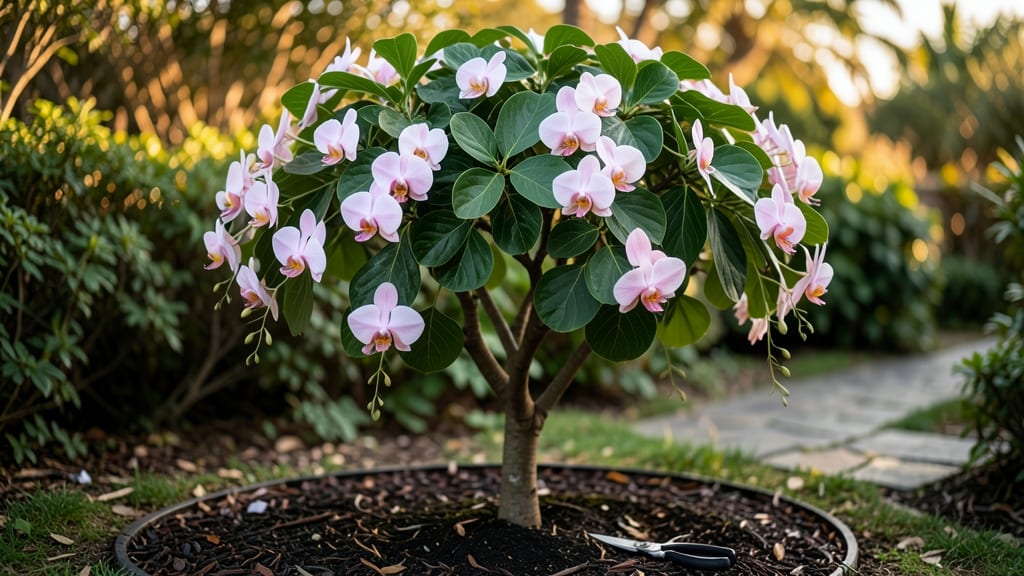
Imagine a tree that blooms like a tropical orchid—yet thrives through Pacific Northwest winters. 🌸 The orchid-like flowering tree transforms any garden into a showstopper, with velvety petals that catch the light like stained glass.
I planted mine near the patio last spring, and now it’s the first thing guests notice when they walk up.
These trees aren’t fussy about soil or sun—just a spot with 6+ hours of light and protection from harsh winds. The frost-resistant varieties, like Catalpa bignonioides or Bauhinia blakeana, burst into bloom in late spring, then put on a second show in early fall.
Their dramatic foliage even adds color when flowers fade, making them a year-round design star.
Pair one with dwarf conifers for contrast or hostas for shade-loving companions. Place it as a focal point near a seating area, where you can enjoy the fragrance up close—or let it spill over a raised planter for a container garden that steals the show.
The best part? Minimal pruning keeps them looking effortless.
Whether you’re filling a small yard or adding drama to a large landscape, these trees bring orchid elegance without the fuss. Let’s find the perfect one for your space—your garden will thank you.
📚 In This Guide
- What you need
- Instructions
- Tips and common mistakes
- Wrapping up and next steps
What you need
- ● Young orchid-like flowering tree: 1-3 gallon container size (for easier establishment). Choose a frost-resistant variety like Magnolia ‘Jane’ or Fremontodendron.
- ● High-quality potting soil: 5-10 gallons (well-draining, slightly acidic, pH 5.5-6.5). Mix with perlite or sand for aeration.
- ● Container or planting hole: Container: 15-20 gallon pot with drainage holes (if growing in pots).
- ● In-ground: Dig a hole twice as wide and slightly deeper than the root ball.
- ● Organic mulch: 2-3 inches (e.g., wood chips or pine straw) to retain moisture and regulate temperature.
- ● Slow-release fertilizer: 1 lb (e.g., 10-10-10 or balanced orchid tree fertilizer).
- ● Pruning shears: Sharp, sterilized pair for trimming dead or overgrown branches.
- ● Watering can or hose with gentle spray nozzle: For hydrating without disturbing roots.
- ● Garden gloves: 1 pair (to protect hands from thorns or rough bark).
- ○ Soil pH tester: Optional but helpful for monitoring acidity levels.
- ○ Epsom salt (magnesium sulfate): 1 lb (optional, for magnesium-rich soils).
- ● Tree support stake: 1-2 (if planting in windy areas).
- ○ Drip irrigation system: Optional for automated watering.
- ● Compost or worm castings: 1-2 gallons (boosts soil health).
How to plant and care for Pacific Northwest orchid trees
Here's the straightforward approach I've used to grow these stunning trees in cooler climates.
🌱 Step 1: Choose the Right Location and Prepare the Soil
Select a spot with partial shade to full sun—at least 4-6 hours of sunlight daily—but protect from harsh afternoon sun in hotter microclimates. These trees thrive in USDA Zones 6-9, making them perfect for the Pacific Northwest's mild winters. I always test the soil first using a simple pH kit; orchid trees prefer slightly acidic to neutral soil (pH 6.0-7.0).
Amend the native soil with 2-3 inches of organic compost and mix in 1 part perlite to improve drainage. These trees hate soggy roots, so if your soil drains poorly, consider planting in a raised bed or large container with well-draining mix. The key is mimicking their natural forest-floor habitat—moist but never waterlogged.
🪴 Step 2: Plant at the Correct Depth and Spacing
Dig a hole twice as wide as the root ball but only as deep as the container's bottom. This prevents burying the trunk too deeply, which can cause rot. Gently remove the tree from its container and loosen the roots if they're circling. For 4 trees, space them 12-15 feet apart to allow mature growth without crowding.
Place the tree in the hole so the top of the root ball sits 1-2 inches above ground level. This ensures proper drainage and prevents water from pooling around the base. Backfill with native soil mixed with compost, tamping lightly to remove air pockets. Water deeply right after planting to settle the soil and eliminate gaps.
☀️ Step 3: Establish a Watering Routine and Mulch Properly
Water deeply once a week during the first growing season, allowing 1-2 inches of water to penetrate the soil. Check moisture by sticking your finger 2 inches deep—if it feels dry, water again. Once established, these trees are drought-tolerant but still appreciate regular moisture, especially during bloom season when they need energy for those stunning flowers.
Apply 3 inches of wood chips or bark mulch around the base, keeping it 6 inches away from the trunk to prevent rot. Replenish mulch annually in late winter to protect roots from temperature fluctuations. Here's the thing—mulch too close to the trunk creates a moist environment that invites fungal diseases, so keep it neat and tidy.
✂️ Step 4: Prune for Health and Encourage Abundant Blooms
Prune right after flowering to shape the tree and encourage next year's blooms. Remove dead, diseased, or crossing branches first, then thin out 1/3 of the oldest stems to improve airflow and sunlight penetration. I always use clean, sharp pruners and make cuts just above a leaf node or bud to promote new growth.
If your tree grows too leggy, you can also do a light heading cut on new growth to encourage bushier habits. Avoid heavy pruning in late summer or fall—this stimulates tender new growth that won't harden off before winter. Real talk: the first few years focus on establishing strong structure before worrying about dramatic pruning.
🌿 Step 5: Protect from Late Frosts and Winter Prep
These trees are frost-resistant, but late spring frosts can damage delicate new growth. I've found that wrapping young trees in burlap or using frost cloth during critical bloom periods helps prevent damage. In the Pacific Northwest, Zone 6-7 winters are usually mild enough that established trees handle frost well, but young specimens need extra care.
Before winter, apply a 2-inch layer of mulch around the base and water deeply before the first freeze. This helps insulate roots and prevents soil heaving. I also avoid heavy pruning in fall—just clean up any debris and let the tree enter dormancy naturally. The goal is to mimic their natural forest environment where they experience seasonal changes without drastic human intervention.
Tips & tricks for perfect Pacific Northwest orchid-like flowering trees
Here's what I've learned from years of growing these stunning trees in the Pacific Northwest—simple secrets that make all the difference.
Sunlight Strategy: While these trees thrive with 4-6 hours of sunlight daily, the key is protecting them from harsh afternoon sun in hotter microclimates. I've found that dappled shade—like under tall pines or near a north-facing wall—mimics their natural forest habitat while still providing enough light for vibrant blooms. If planting in full sun, choose a spot with afternoon shade or use shade cloth during peak summer heat.
Soil Science: The 2-3 inches of organic compost and 1 part perlite mix I recommend isn't just about drainage—it's about creating a sponge-like texture that holds moisture without suffocating roots. For heavier clay soils, consider adding 1 part coarse sand to the mix. And here's what nobody tells you: these trees actually prefer slightly acidic soil (pH 6.0-7.0), so if your soil tests higher, add a handful of sulfur or peat moss to the planting hole.
Planting Precision: Getting the depth right is everything—burying the trunk too deeply causes rot, while planting too shallowly exposes roots to temperature swings. I always check the container's bottom as my guide: the root ball's top should sit 1-2 inches above ground level. Pro tip: if you're planting multiple trees, use a level to ensure each one sits at exactly the same elevation—this prevents water pooling between plants.
Winter Protection: The 2-inch layer of mulch before winter isn't just decoration—it's insulation. I've seen trees with mulch pulled back during cold snaps develop frost cracks. For extra protection in Zone 6, wrap the trunk with burlap or tree wrap to shield against winter sun that can cause temperature swings. And here's my game-changer: water deeply before the first freeze—this helps insulate roots better than any mulch alone.
Pro Tips for Orchid Like Flowering Tree
- Here's what I've learned from years of growing these stunning trees in the Pacific Northwest—simple secrets that make all the difference.
- Sunlight Strategy: While these trees thrive with 4-6 hours of sunlight daily, the key is protecting them from harsh afternoon sun in hotter microclimates.
- Soil Science: The 2-3 inches of organic compost and 1 part perlite mix I recommend isn't just about drainage—it's about creating a sponge-like texture that holds moisture without suffocating roots.
Frequently asked questions
Got questions about growing or caring for your orchid-like flowering tree? Here are some of the most common ones—plus answers to help you keep your frost-resistant beauty thriving in the Pacific Northwest!
What’s the best orchid-like flowering tree for cold climates like the PNW?
The Cercis canadensis (Eastern Redbud) or Magnolia stellata (Star Magnolia) are top picks—they’re both frost-resistant and produce stunning, orchid-like blooms. For extra hardiness, consider Cornus kousa (Kousa Dogwood), which handles PNW winters beautifully!
When is the best time to plant an orchid-like flowering tree?
Plant in early spring (March–April) or fall (September–October) for ideal root establishment. Avoid summer heatwaves or winter frosts. If planting in fall, do it at least 6 weeks before the first frost to give roots time to settle.
How often should I water a newly planted orchid-like flowering tree?
Water deeply 2–3 times per week for the first month, then taper to once a week (or when the top 2 inches of soil are dry). Mature trees need less—focus on deep, infrequent watering to encourage strong root growth. Mulch helps retain moisture!
Can orchid-like flowering trees survive heavy frost or snow?
Yes! Many varieties (like Magnolia stellata or Cercis canadensis) are USDA Zone 4–7 hardy, meaning they tolerate temps down to -20°F (-29°C). Young trees may need winter mulch or burlap wraps for extra protection. Prune dead branches in late winter before new growth starts.
What if my tree isn’t flowering? How can I troubleshoot?
Check these common issues:
- Age: Some trees (like Magnolia) need 3–5 years to bloom.
- Sunlight: Ensure it gets 6+ hours of sun daily—partial shade may reduce flowers.
- Soil: Test for acidity (pH 6.0–7.0); amend with compost if needed.
- Fertilizer: Apply a balanced, slow-release fertilizer in early spring.
If problems persist, consult a local arborist!
Wrapping up and next steps
Transforming your Pacific Northwest garden with an orchid-like flowering tree isn’t just about beauty—it’s about resilience, elegance, and year-round charm. Whether you’re drawn to the delicate blooms of the Abelia or the bold beauty of the Cercis canadensis, these frost-resistant stars bring joy with minimal fuss. 🌸
Ready to take the next step? Start small—plant a single specimen in a sunny spot, or dive in with a mixed border for a lush, layered look. Your garden’s masterpiece awaits! 🌿✨
- Pro tip: Share your progress with fellow gardening enthusiasts—inspiration spreads like wildflowers!