Plants
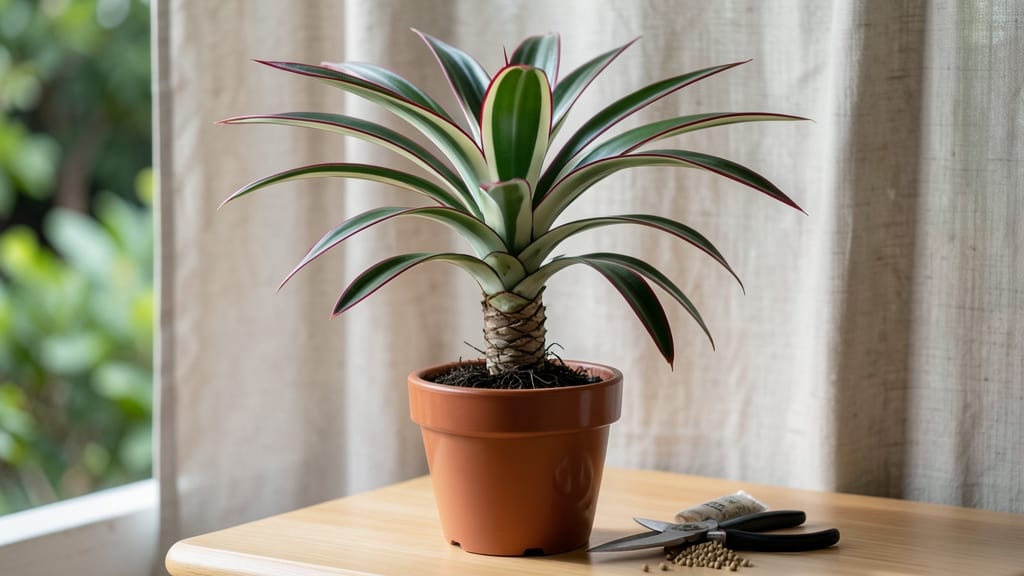
The dragon tree thrives where others fail—especially in the Pacific Northwest’s damp winters. 🌿 I’ve grown mine through three seasons of indoor and outdoor shifts, and it’s the one plant that never complains, even when my other houseplants stage a revolt.
The key? Mimicking its Mediterranean roots while adapting to our cooler, wetter climate.
This plant handles low light better than most, but it truly shines in bright indirect light—think east or west-facing windows. Temperature swings? No problem. It tolerates 40-80°F ranges, making it perfect for unheated greenhouses or cozy living rooms.
The soil should drain well but stay slightly moist; overwatering is its only real enemy, and even then, it’s forgiving.
By spring, you’ll see that signature rosette of dark green leaves, each with striking red edges when young. Prune to encourage bushiness, and propagate from stem cuttings—it’s shockingly easy. Even in Zone 8, I’ve kept mine outdoors in winter with just a little shelter, and it’s bounced back every time.
Whether you’re a beginner or a plant collector, this dragon tree is the low-maintenance superstar that repays your effort with dramatic, almost sculptural foliage. Let’s get yours thriving—indoors or out—without the fuss.
📚 In This Guide
- What you need
- Instructions
- Tips and common mistakes
- Wrapping up and next steps
What you need
- ● Dragon Tree Plant: 1 healthy Dracaena draco (available at nurseries, online plant shops, or local specialty stores). Opt for a mature plant (3+ years old) for better frost resistance.
- ● Well-Draining Soil: 5 gallons of cactus/succulent mix (or a blend of 60% potting soil, 30% perlite, and 10% sand for drainage).
- ● Pot: 1 terracotta or ceramic pot (12–16 inches in diameter) with drainage holes. Terracotta helps regulate moisture and mimics the plant’s Mediterranean roots!
- ● Watering Can: 1 spouted watering can (1–2 gallons) with a fine rose attachment for gentle watering.
- ● Fertilizer: 1 bottle of balanced liquid fertilizer (10-10-10 or 20-20-20) for indoor plants.
- ● Pruning Shears: 1 pair of sterilized pruning shears (for shaping and removing dead growth).
- ● Grow Lights: LED full-spectrum grow lights (for winter months when sunlight is scarce).
- ● Humidity Tray: A pebble tray with water to boost humidity in dry PNW winters.
- ● Soil Moisture Meter: To check moisture levels without overwatering.
- ● Mulch: A layer of orchid bark or gravel to insulate roots in colder months.
- ● Plant Support: A small stake or trellis if your Dragon Tree leans too much.
- ● A bright, indirect light spot (east or south-facing window is ideal).
- ● Patience! Dragon Trees grow slowly—think of it as a long-term investment. 🐢
- ● Access to a garage or sheltered outdoor space (for acclimating your plant to PNW winters).
Step-by-Step instructions for cultivating a thriving dragon tree
Here's how to coax this resilient Pacific Northwest favorite into lush, frost-tolerant growth.
🪴 Step 1: Select the Right Container and Soil Mix
The dragon tree thrives in well-draining conditions, so choose a 10-12 inch diameter pot with drainage holes. I recommend terracotta because it breathes and prevents root rot—a common issue with overwatering. The soil mix needs to replicate its Mediterranean native habitat: combine 60% premium cactus/succulent mix with 30% perlite and 10% coarse sand for that perfect gritty texture.
Fill the pot to 2 inches below the rim, leaving room for watering. Tap the container gently to settle the mix without compacting it. You'll see the ideal texture when it holds together when squeezed but crumbles easily—like damp sand at the beach. This prevents the heavy roots from suffocating.
🌱 Step 2: Plant and Position for Optimal Growth
Remove the dragon tree from its nursery pot and gently tease apart any circling roots. Place it in the prepared container so the root ball sits 1 inch below the soil surface. Fill the remaining space with your custom mix, pressing lightly to eliminate air pockets. Water thoroughly until it drains freely from the bottom holes—this ensures the roots establish contact with moisture immediately.
Position your dragon tree in bright, indirect light—think east or west-facing windows. Direct midday sun can scorch the leaves, while too little light causes the vibrant foliage to lose its striking variegation. In the Pacific Northwest's overcast winters, supplement with a grow light 12-18 inches away for 12-14 hours daily. You'll notice new growth emerging within 6-8 weeks if conditions are right.
💧 Step 3: Establish a Watering Routine
The dragon tree's drought tolerance is legendary, but that doesn't mean neglect. Water when the top 2-3 inches of soil feel completely dry—stick your finger in to check. During the growing season (spring-fall), this typically means every 7-10 days, while winter watering can stretch to every 3-4 weeks. Always water at the base to avoid wetting the leaves, which can trigger fungal issues.
I like to use the "soak-and-dry" method: water until it runs freely from the drainage holes, then empty the saucer immediately. This mimics natural rainfall patterns and prevents salt buildup. Overwatering is the #1 killer—you'll know it's time to adjust when you see yellowing leaves or mushy stems.
☀️ Step 4: Maintain Humidity and Temperature
While the dragon tree adapts well to indoor conditions, it appreciates 40-50% humidity—especially in dry Pacific Northwest winters. Group plants together or use a pebble tray with water beneath the pot to boost moisture levels. Mist the leaves occasionally, but avoid wetting the rosette where water pools. The ideal temperature range is 65-75°F during the day, with cooler 55-60°F nights mimicking its natural environment.
This plant's frost resistance makes it perfect for cool climates, but don't push it. While it can tolerate brief dips to 30°F, prolonged cold causes leaf damage. If your indoor temps drop below 50°F regularly, consider moving it to a brighter, warmer spot—you'll see healthier growth and more vibrant foliage within weeks.
✂️ Step 5: Prune and Fertilize for Long-Term Health
Pruning encourages bushier growth and prevents legginess. Use clean, sharp pruners to trim back 1/3 of the longest stems in early spring. Cut just above a leaf node to encourage new branching. Remove any yellow or damaged leaves immediately—they drain energy from the plant. I also like to rotate the pot quarter turn weekly so the plant grows evenly toward the light.
Feed with a balanced liquid fertilizer (10-10-10) diluted to half strength every 6-8 weeks during the growing season. Skip fertilizing in winter when growth naturally slows. You'll notice new leaves emerging within 4-6 weeks after fertilizing, signaling the plant is thriving. The key is consistency—don't overdo it, as this can lead to salt buildup in the soil.
Tips & tricks for perfect dragon tree care
Here's what nobody tells you about keeping this Mediterranean beauty thriving in our Pacific Northwest climate.
Soil Texture Secret: When mixing your 60% premium cactus/succulent mix with 30% perlite and 10% coarse sand, sift all components through a fine mesh screen first. This eliminates clumps that can suffocate roots—especially important since dragon trees hate soggy conditions. I learned this the hard way after watching roots rot from uneven soil distribution in Step 1. The goal is that "damp sand" texture: it should hold together when squeezed but crumble immediately when released.
Lighting Strategy: For the 12-14 hours of grow light supplementation mentioned in Step 2, I recommend using full-spectrum LED bulbs rather than fluorescent tubes. These mimic natural sunlight more closely and help maintain the vibrant variegation that makes dragon trees so stunning. Position the light so the plant's leaves just brush the bulb's edges—this creates even light distribution without overheating. You'll notice the difference in leaf color within those first 6-8 weeks of growth.
Watering Technique: The "soak-and-dry" method in Step 3 works wonders, but here's the pro move: use room-temperature water. Cold water can shock the roots, especially in our Pacific Northwest's chilly winters. I also recommend watering in the morning—this gives any excess moisture time to evaporate before cooler evening temperatures set in. Your finger test for the top 2-3 inches of soil is perfect, but pay special attention to the soil's weight: properly drained soil should feel about as heavy as a damp sponge.
Temperature Transition: When moving your dragon tree outdoors in warmer months, acclimate it gradually to avoid temperature shock. Start with just 30 minutes outside on mild days, then increase exposure by 30 minutes daily until it can handle full sun. Remember, while it tolerates brief dips to 30°F, prolonged exposure below 50°F will cause leaf damage. This slow transition helps maintain the 65-75°F daytime range the plant prefers, even when temperatures fluctuate between seasons.
Pro Tips for The Dragon Tree
- Here's what nobody tells you about keeping this Mediterranean beauty thriving in our Pacific Northwest climate.
- Soil Texture Secret: When mixing your 60% premium cactus/succulent mix with 30% perlite and 10% coarse sand, sift all components through a fine mesh screen first.
- Lighting Strategy: For the 12-14 hours of grow light supplementation mentioned in Step 2, I recommend using full-spectrum LED bulbs rather than fluorescent tubes.
Frequently asked questions
Got questions about nurturing your Dracaena draco (Dragon Tree)? You’re not alone! Here are some of the most common queries—plus straightforward answers to keep your plant thriving in the PNW’s climate.
Is the Dragon Tree really frost-resistant?
The Dragon Tree is tropical at heart, so it’s not frost-resistant outdoors in the PNW. However, it tolerates indoor temperature drops down to 50°F (10°C)—perfect for cozy homes! Keep it away from drafty windows or heaters to avoid stress.
How often should I water my Dragon Tree?
Let the top 2–3 inches of soil dry out between waterings. Overwatering is the #1 killer—these plants store water in their thick stems! In winter, reduce watering to every 3–4 weeks. Stick your finger in the soil: if it’s damp, wait!
Why are the tips of my Dragon Tree turning brown?
Brown tips usually mean underwatering or fluoride/chlorine buildup from tap water. Try these fixes:
- Water with filtered or distilled water.
- Mist the leaves lightly 1–2x/week to boost humidity.
- Trim dead tips with clean scissors and repot if soil is compacted.
Can I grow a Dragon Tree from cuttings?
Take a 4–6 inch cutting from a healthy stem, let it callous for 1–2 days, then plant in well-draining cactus/succulent mix. Keep it in bright, indirect light and mist occasionally. Roots should form in 4–8 weeks!
What’s the best light for a Dragon Tree indoors?
Dragon Trees thrive in bright, indirect light—think east or north-facing windows. Avoid harsh afternoon sun, which can scorch leaves. If leaves pale or stretch (etiolation), move it closer to a light source or supplement with a grow bulb in winter.
Will my Dragon Tree survive a power outage?
Yes! These plants are low-maintenance and can handle short-term neglect. If temps stay above 50°F (10°C), it’ll be fine for a few days. Just avoid drafts and direct sunlight until power returns. Pro tip: Group plants together to retain moisture!
Wrapping up and next steps
The Dragon Tree (Dracaena draco) isn’t just a stunning addition to your Pacific Northwest home—it’s a resilient survivor that thrives with minimal fuss. Whether you’re drawn to its striking foliage, symbolic strength, or frost-resistant charm, this plant proves that beauty and hardiness go hand in hand. 🌿✨
Ready to bring a piece of the Canary Islands into your space? Start small—grab a cutting, a pot, and a sunny spot—and watch your Dragon Tree grow into a living masterpiece. Your green thumb is about to shine!
- Next step: Pick your favorite variety (like Dracaena marginata or Dracaena draco) and dive into propagation!