
Pruning
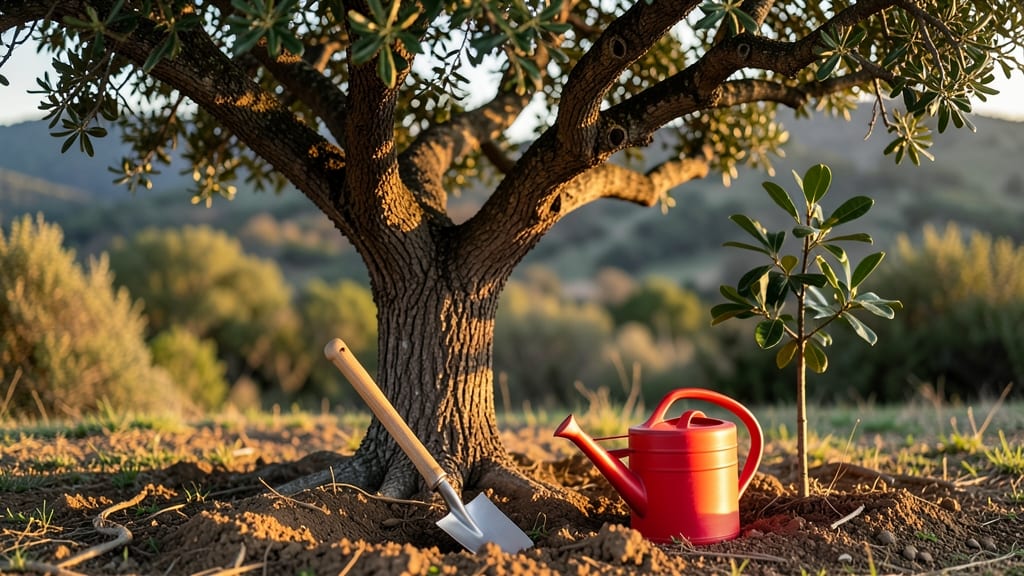
Planting trees in Sonoma County means choosing the right species for your microclimate—whether you're battling coastal fog, inland heat, or fire-prone hills. I’ve learned which trees thrive in each zone after years of trial and error (and a few sad losses).
The key isn’t just picking a pretty tree; it’s matching it to your soil, sun, and water access. My favorite? The California sycamore for its drought tolerance and dramatic bark, or toyons for their fire-resistant foliage and wildlife appeal.
You’ll need a few essentials: a 5-gallon tree (or smaller for coastal areas), a broad shovel, and mulch to lock in moisture. Sonoma’s clay-heavy soils often need amendments—compost or sand mixed into the planting hole helps roots establish faster.
Timing matters too: fall planting (October–November) gives roots time to settle before summer drought, while winter planting avoids heat stress. Avoid spring—it’s when many new trees fail here.
After planting, water deeply once a week for the first year, then taper off as roots spread. The first few years are critical—stake young trees only if needed, and prune dead branches immediately to reduce fire risk.
By year three, your tree will be self-sufficient, and your garden will have shade, wildlife habitat, and resilience against Sonoma’s unpredictable weather. Let’s get those roots in the ground!
This works for urban yards, rural properties, and firebreaks—just adjust species for your spot. Coastal? Try coast live oak. Inland? Valley oak or manzanita handle heat better. The right tree turns your property into a thriving ecosystem. Ready to plant?
📚 In This Guide
- What you need
- Instructions
- Tips and common mistakes
- Wrapping up and next steps
What you need
- ● Tree seedlings or saplings: Choose microclimate-smart species like California native oaks (Quercus spp.), coast live oak (Quercus agrifolia), or tanoak (Notholithocarpus densiflorus). Buy 3–5 plants (or more, depending on your space).
- ● Shovel or digging bar: A round-point shovel (18–24") or digging bar for breaking ground. Rent or borrow if needed!
- ● Compost or organic mulch: 5–10 gallons of well-aged compost (e.g., cow manure, leaf mold) or wood chips for moisture retention.
- ○ Native soil amendment (optional but helpful): 5–10 lbs of mycorrhizal fungi powder (boosts root health) or biochar for soil structure.
- ● Watering can or hose with nozzle: A 5-gallon watering can or soaker hose for gentle hydration.
- ● Tree stakes & ties (for young trees): 2–4 wooden or biodegradable stakes per tree + soft tree ties (avoid wire!).
- ● Gloves & knee pads: Heavy-duty gardening gloves and knee pads for comfort.
- ● Drip irrigation kit: Set up a low-volume system for long-term watering.
- ● Pruning shears: Bypass pruners (7–9") for shaping or removing dead branches.
- ● Weed barrier fabric: 3–5 ft² to suppress weeds around the base.
- ● Tree guard or wire cage: Protects young trees from deer/browsing (common in Sonoma!).
- ● Soil pH test kit: Ensure your soil is slightly acidic (6.0–7.0)—ideal for natives.
Step-by-Step guide for planting trees in Sonoma County's unique microclimates
Sonoma County's diverse terrain demands thoughtful tree selection and planting techniques.
Analyze Your Site's Microclimate Characteristics
Begin by observing your property for at least a week to identify key microclimate factors. Sonoma County's coastal fog, inland heat, and valley cold create distinct growing zones. Note which areas receive morning sun versus afternoon shade, and where cold air pools overnight. Coastal pockets near the ocean may experience 50°F temperature swings between day and night, while inland valleys can see 90°F+ summer afternoons.
Check soil drainage by digging a 12-inch hole—if water stands for more than 2 hours, you have poor drainage. Test pH with a soil kit: coastal areas often have acidic soil (pH 5.5-6.5), while inland regions may be alkaline (pH 7.0-8.0). These factors determine which native species like coast live oak or valley oak will thrive.
Select Species Matching Your Microclimate Zone
For coastal areas with high humidity and salt spray exposure, prioritize native species like coast live oak (Quercus agrifolia) or California bay laurel (Umbellularia californica). These tolerate wind speeds up to 30 mph and soil salinity near the coast. Inland valleys with hotter summers and cooler winters support species like valley oak (Quercus lobata) or California sycamore (Platanus racemosa).
Consider mature size: a 20-foot canopy tree like Pacific dogwood (Cornus nuttallii) works for small yards, while 60-foot oaks need spacious properties. Check the USDA Plant Hardiness Zone map—Sonoma County spans Zones 8b-10a, so choose species with cold tolerance matching your specific elevation.
Prepare the Planting Site with Proper Amendments
Dig a hole twice as wide as the root ball but no deeper—this prevents soil settling that can strangle roots. For coastal sites, amend native clay soils with 3 inches of compost mixed into the bottom 6 inches of soil. In alkaline inland areas, incorporate 2 pounds of sulfur per cubic yard to lower pH. Avoid fresh mulch or manure, which can burn roots.
Create a 12-inch berm around the hole's edge to encourage water retention. For wind-prone coastal areas, install a temporary windbreak using burlap or straw bales on the prevailing wind side. This protects young trees until their root systems establish (1-2 years). Water the hole thoroughly 24 hours before planting to settle the soil.
Plant with Proper Technique for Long-Term Stability
Position the tree so the top of the root ball sits 2 inches above ground level—this prevents soil settling from burying the trunk. Spread roots gently without breaking them, then backfill with native soil mixed with 1 part compost. Avoid compacting the soil; instead, water in layers as you fill to eliminate air pockets. Create a 4-inch deep water basin around the base to direct irrigation.
Stake only if necessary: use two opposing stakes for species over 20 feet tall or in high-wind areas. Attach with flexible ties to allow trunk movement. Mulch with 3 inches of wood chips, keeping it 6 inches away from the trunk to prevent rot. Water immediately after planting to settle the soil and remove the windbreak after 2-3 weeks.
Establish a Watering and Maintenance Schedule
Water deeply 2-3 times per week for the first 3 months, providing 10-15 gallons per watering for mature-sized trees. Reduce to once weekly after establishment, checking soil moisture 4 inches deep—water when dry. Coastal areas may need daily watering in summer due to fog drying effects. Avoid overhead watering to prevent fungal diseases common in Sonoma's humid climate.
Fertilize only if soil tests indicate deficiencies. For coastal soils, apply ½ cup of iron sulfate annually to prevent chlorosis. Prune only to remove dead branches in the first year—never "top" young trees. Monitor for pests like philoicus scale (common on oaks) and treat with horticultural oil if needed. After 2 years, trees should be self-sufficient with minimal care.
Tips & tricks for thriving trees in Sonoma County's microclimates
Sonoma County's unique growing conditions can make or break your tree planting success—here's how to optimize every step for long-term growth.
Microclimate Observation: The week-long observation period in Step 1 isn't just about noting sun patterns—it's about identifying cold air pockets that can kill young roots. I recommend using a simple thermometer to record nighttime temperatures in potential planting zones. Coastal areas with those dramatic 50°F swings often need species with thicker bark like coast live oak, while inland valleys can handle the 90°F+ heat with proper watering strategies.
Species Selection Nuances: When choosing between coast live oak and valley oak in Step 2, consider not just the microclimate but also the tree's growth rate. Coast live oak grows about 12 inches per year, while valley oak can shoot up 24 inches annually—critical information if you're planting near structures or power lines. For wind-prone coastal sites, look for species with flexible branches that can bend rather than break in storms.
Soil Amendment Precision: The 3 inches of compost called for in Step 3 should be well-aged—fresh compost can burn tender roots. I've found that mixing in 1 part compost to 3 parts native soil creates the perfect balance for coastal clay soils. For alkaline inland areas, that 2 pounds of sulfur per cubic yard should be worked in thoroughly—uneven distribution can create hot spots that damage roots.
Watering Strategy: The 2-3 times weekly watering schedule in Step 5 works for most species, but coastal areas often need daily watering during summer's fog-drying periods. Install a rain gauge near your planting site to track exactly how much water your trees receive—Sonoma's unpredictable weather patterns make this essential. For newly planted trees, I recommend using drip irrigation systems that deliver water directly to the root zone rather than overhead sprinklers.
Pro Tips for Tree Planting Sonoma County Ca
- Sonoma County's unique growing conditions can make or break your tree planting success—here's how to optimize every step for long-term growth.
- Microclimate Observation: The week-long observation period in Step 1 isn't just about noting sun patterns—it's about identifying cold air pockets that can kill young roots.
- Species Selection Nuances: When choosing between coast live oak and valley oak in Step 2, consider not just the microclimate but also the tree's growth rate.
Frequently asked questions
Got questions about planting trees in Sonoma County? You’re not alone! Here are answers to the most common queries—because thriving trees start with the right knowledge.
What’s the best time of year to plant trees in Sonoma County?
Fall (October–November) and early spring (February–March) are ideal in Sonoma County. These seasons offer cooler temps, minimal drought stress, and ample rainfall to help roots establish. Avoid summer heatwaves—young trees need hydration and shade to survive!
Which native trees thrive best in Sonoma County’s microclimates?
For coastal areas, try Toyon (Heteromeles arbutifolia) or Coast Live Oak (Quercus agrifolia). In drier inland zones, Valley Oak (Quercus lobata) or California Sycamore (Platanus racemosa) excel. Always check soil drainage—Sonoma’s varied terrain matters!
How deep should I plant a tree, and what if I mess up?
Dig a hole twice as wide as the root ball but no deeper. The root flare (where roots meet trunk) should sit slightly above ground level. If planted too deep, gently loosen soil around the base to encourage root growth. Over-planting can suffocate roots—correct it ASAP!
Can I plant trees in urban Sonoma County areas with limited space?
Opt for dwarf or multi-stem varieties like Dwarf Mexican Fan Palm (Washingtonia robusta ‘Slow-Grower’) or California Lilac (Ceanothus). Container-grown trees (even small ones) adapt well to tight spots. Just ensure they get enough sunlight and water!
What do I do if my newly planted tree’s leaves turn brown?
Brown leaves often signal transplant shock or underwatering. Mulch heavily (2–4 inches) and water deeply 2–3 times weekly for the first year. Avoid over-fertilizing—Sonoma’s soil is often nutrient-rich. If browning persists, check for pests (like aphids) or fungal issues (e.g., powdery mildew).
Are there grants or programs for Sonoma County tree planting?
Yes! Check out Sonoma County’s Environmental Services for rebates on native trees or drought-tolerant species. Local nonprofits like Sonoma Coast Alliance also offer workshops and community planting events. Funds may be available for landowners!
Wrapping up and next steps
Planting the right trees in Sonoma County isn’t just about greening your space—it’s about creating a thriving microclimate that supports biodiversity, boosts resilience, and enhances your garden’s beauty.
From drought-tolerant natives like toyons to shade-providing valley oaks, the perfect species can transform your outdoor oasis while aligning with the region’s unique climate. 🌿
Ready to take the next step? Start by assessing your soil, sunlight, and goals—then pick a species that fits like a glove. Roll up your sleeves, grab your shovel, and let Sonoma’s native trees work their magic! 🌱