
Pruning
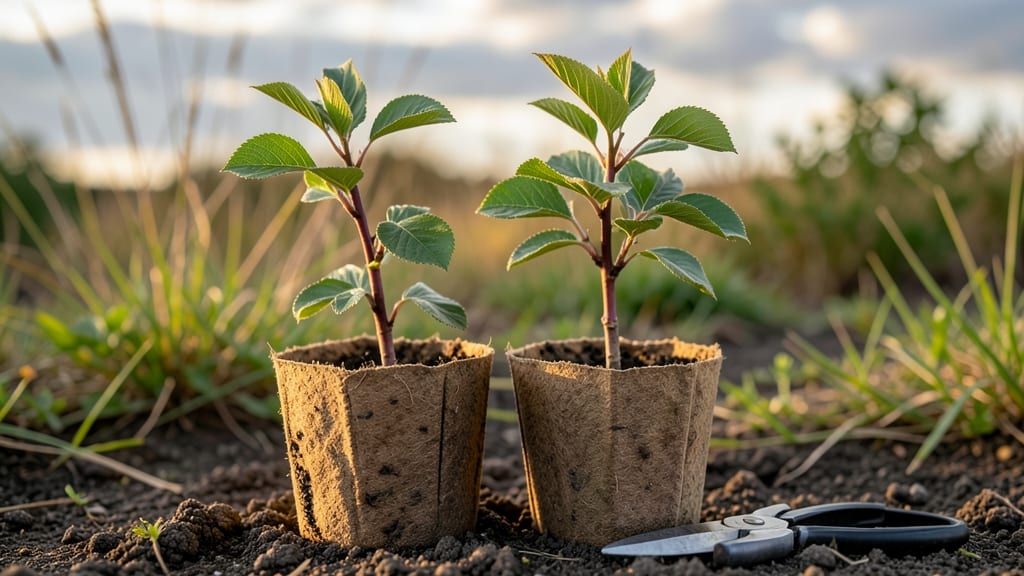
Growing wild cherry tree seedlings in the Pacific Northwest means you're planting for decades of shade and wildlife support—but only if you start right. 🌱 The key to thriving trees begins with sourcing healthy seedlings that can handle our wet winters and cool summers, not just any nursery stock.
I've learned the hard way that skipping this step leads to weak, slow-growing trees that struggle with early frost damage.
You'll need well-draining soil (mix in compost if yours is heavy clay), a sunny spot with at least 6 hours of light, and patience—these trees grow slowly but steadily. The first year focuses on establishing roots, not rapid growth, so resist the urge to over-fertilize.
A 5-gallon container for young seedlings gives them the stability they need while their roots develop.
By year three, you'll see strong vertical growth with glossy leaves that signal healthy vigor. The real reward comes when birds flock to the tree for fruit and your neighbors ask how you grew such a sturdy specimen.
Pruning in late winter keeps the shape clean and encourages strong branching—just remember to sterilize your tools between cuts.
This method works for both urban yards and rural properties, adapting to our region's microclimates. The secret isn't complicated: good soil, proper spacing, and consistent (but not excessive) care. Let's get those seedlings in the ground before spring rains arrive.
📚 In This Guide
- What you need
- Instructions
- Tips and common mistakes
- Wrapping up and next steps
What you need
- ● Wild cherry seeds: 10–20 seeds (ensure they’re fresh or properly stratified for best germination).
- ● Seed-starting mix: 2–3 gallons of sterile, well-draining potting soil (look for a blend with perlite or vermiculite).
- ● Seedling trays or pots: 2–4 shallow containers (4–6 inches deep) with drainage holes, or 3–4 inch biodegradable pots.
- ● Plastic wrap or humidity dome: To retain moisture during germination.
- ● Spray bottle: For gentle watering (avoid over-saturating seeds).
- ● Grow lights or sunny windowsill: A south-facing window or LED grow lights (12–16 hours/day for seedlings).
- ● Pruning shears: Small, sharp pair for future trimming (sterilize with rubbing alcohol).
- ● pH test kit: To check soil pH (ideal range: 6.0–7.0 for wild cherries).
- ○ Fertilizer (optional but helpful): A balanced, slow-release fertilizer (e.g., 10-10-10) for transplanting.
- ● Seed stratification setup: Refrigerator or cold stratification kit (if seeds aren’t pre-treated).
- ● Heating mat: For faster germination (70–75°F is ideal).
- ● Mulch: Wood chips or straw for outdoor planting (once seedlings are hardened off).
- ● Tree guards: Protective mesh or fencing to deter wildlife (especially in the PNW!).
- ● Garden journal: To track growth, pruning notes, and frost dates.
Step-by-Step instructions for cultivating wild cherry tree seedlings
Here's how to nurture hardy wild cherry seedlings through their first critical year.
🌱 Step 1: Prepare the Planting Site for Cold-Climate Success
Choose a location that gets full sun to partial shade—wild cherries tolerate some afternoon shade in hotter PNW summers. Clear the area of weeds and break up the soil to a depth of 12 inches with a garden fork. The soil should drain well but retain moisture; if it's heavy clay, mix in 2 inches of compost to improve structure.
Here's the thing—wild cherry seedlings hate soggy roots. If your site has poor drainage, create a raised bed or mound the soil to prevent waterlogging. Test the soil pH with a simple kit; wild cherries prefer 6.0-7.0. If your soil is too acidic, amend with crushed limestone as directed on the package.
🌿 Step 2: Plant Seedlings at the Right Depth and Spacing
Dig holes twice as wide as the root ball but only as deep as the root flare—that's where the roots transition into the trunk. Wild cherry seedlings have shallow but wide-spreading roots, so planting too deep suffocates them. Gently loosen the roots if they're circling in the container before placing in the hole.
Space your seedlings 15-20 feet apart—they'll grow into large trees, and crowding invites disease. Backfill with native soil, then water deeply to settle everything. You'll know it's right when the soil surface looks slightly compacted but not crusted. Mulch with 2-3 inches of wood chips around the base, keeping it 3 inches away from the trunk to prevent rot.
☀️ Step 3: Water and Protect During Critical Growth Phases
Water newly planted seedlings once a week for the first month, providing 1-2 gallons per tree each time. After that, water only when the soil feels dry 2 inches below the surface. Overwatering in winter is the fastest way to kill young trees—too much moisture invites root rot in cold, wet PNW winters.
Young wild cherry seedlings need protection from late frosts. If your area gets hard freezes (below 20°F), wrap the trunk with tree guard and cover the canopy with frost cloth during the coldest months. You'll see new growth in spring as a sign they've survived winter—look for bright green leaves emerging from the buds.
✂️ Step 4: Prune and Train for Strong Structure
Prune in late winter or early spring before new growth begins. Remove any dead, broken, or crossing branches using clean, sharp pruners. Wild cherries respond well to pruning, so you can shape them early—just don't remove more than 25% of the canopy in one season. Cut just outside the branch collar where the branch meets the trunk.
If your seedlings develop multiple leaders (vertical stems), select the strongest one and prune the others at the base. This ensures a single, sturdy trunk. You'll notice the remaining leader grows taller and thicker—this is your signal the tree is establishing a strong structure. Avoid heavy pruning in the first two years; focus on removing only what's necessary for shape and health.
Tips & tricks for perfect wild cherry tree seedlings
Here's what nobody tells you about giving your seedlings the best start in cold climates.
The Drainage Detail: That 12-inch soil depth in Step 1 isn't just about aeration—it's about creating a root-friendly environment. If you're unsure about drainage, do the "puddle test": Dig a small hole, fill it with water, and see how long it takes to drain. If it stays wet for more than an hour, you absolutely need that raised bed. I've seen soggy roots turn seedlings into sad, mushy messes in just weeks.
Root Flare Recognition: In Step 2, finding that root flare can be tricky—it's where the roots swell slightly at the base of the trunk. If you're planting container-grown seedlings, gently squeeze the sides of the container to loosen the root ball before removing it. This prevents root circling, which strangles growth. Think of it like untangling headphones—gentle but thorough.
Winter Protection Insight: When temperatures drop below 20°F in Step 3, that frost cloth isn't just for show. Secure it tightly but loosely enough to allow airflow—like wrapping a gift without suffocating it. I've seen trees survive -10°F winters with proper protection, but those wrapped like mummies in plastic? Not so much. And remember, the trunk wrap should extend at least 18 inches up from the ground for full protection.
Pruning Precision: That 25% canopy limit in Step 4 is non-negotiable for first-year seedlings. Instead of cutting branches, think of pruning as sculpting. Make cuts just outside the branch collar where it meets the trunk—this is where the tree's natural healing begins. And if you're unsure which branches to remove, follow the "three cuts" rule: First cut about a foot from the trunk, second cut halfway, then make your final cut just outside the collar.
Pro Tips for Wild Cherry Tree Seedlings
- Here's what nobody tells you about giving your seedlings the best start in cold climates.
- The Drainage Detail: That 12-inch soil depth in Step 1 isn't just about aeration—it's about creating a root-friendly environment.
- Root Flare Recognition: In Step 2, finding that root flare can be tricky—it's where the roots swell slightly at the base of the trunk.
Frequently asked questions
Got questions about growing wild cherry tree seedlings in the Pacific Northwest?
You’re not alone! Here are answers to the most common concerns—from timing to troubleshooting—to help you nurture thriving seedlings with confidence.
When is the best time to plant wild cherry tree seedlings in the PNW?
Plant seedlings in early spring (March–April) or fall (September–October) for optimal root establishment. Avoid late spring planting—hot, dry summers can stress young seedlings. If planting in fall, do it 6–8 weeks before the first frost to allow roots to settle before winter.
How cold-hardy are wild cherry seedlings, and do they need winter protection?
Wild cherry seedlings (Prunus serotina) are USDA Zone 3–8 hardy, meaning they tolerate PNW winters well. However, young seedlings (under 2 years old) may benefit from a thick layer of mulch (4–6 inches) or a burlap wrap to shield roots from extreme cold snaps (<10°F). Older trees rarely need extra protection.
Can I grow wild cherry seedlings from store-bought pits, or should I source them locally?
While you can grow seedlings from pits (like those from wild cherries), locally sourced seedlings are far more reliable. Store-bought pits may take 1–2 years to germinate and often produce weaker, less cold-resistant trees. For faster, hardier growth, buy 1–2 year-old seedlings from PNW nurseries specializing in native species.
Why are my wild cherry seedlings wilting or turning yellow? Troubleshooting tips.
Yellowing leaves or wilting often signal overwatering, underwatering, or fungal issues. Check these fixes:
- Drainage: Ensure pots/containers have holes and soil isn’t soggy (wild cherries hate "wet feet").
- Watering: Water deeply 1–2 times per week (more in summer), but avoid shallow, frequent watering.
- Fungus: If leaves have brown spots, treat with neem oil or copper fungicide. Space seedlings 3–5 feet apart to improve airflow.
- Nutrients: Yellowing between veins may mean nitrogen deficiency—apply a balanced fertilizer (10-10-10) in spring.
How fast do wild cherry seedlings grow, and when can I expect fruit?
Seedlings grow 1–2 feet per year in ideal PNW conditions, reaching 10–15 feet in 5–7 years. However, fruit production takes patience: Mature wild cherries (10+ years old) yield small, tart berries loved by birds. For faster fruit, consider grafting onto a dwarf rootstock or planting a cultivar like 'Meteor' (a non-native but faster-bearing hybrid).
Wrapping up and next steps
Growing wild cherry tree seedlings in the Pacific Northwest is a rewarding journey—especially when you leverage their natural frost resistance and adaptability.
By following the right techniques for planting, pruning, and care, you’ll nurture strong, vibrant trees that thrive in your garden’s unique climate. Now’s the time to roll up your sleeves! Start by gathering your supplies, mark your planting spots, and get ready to watch your seedlings flourish into stunning, long-lived trees. 🌱✨
Ready to take the next step? Research local nurseries for high-quality seedlings, or dive into pruning guides tailored to young trees. Your future orchard—or even just a beautiful shade tree—awaits!