
Blooming
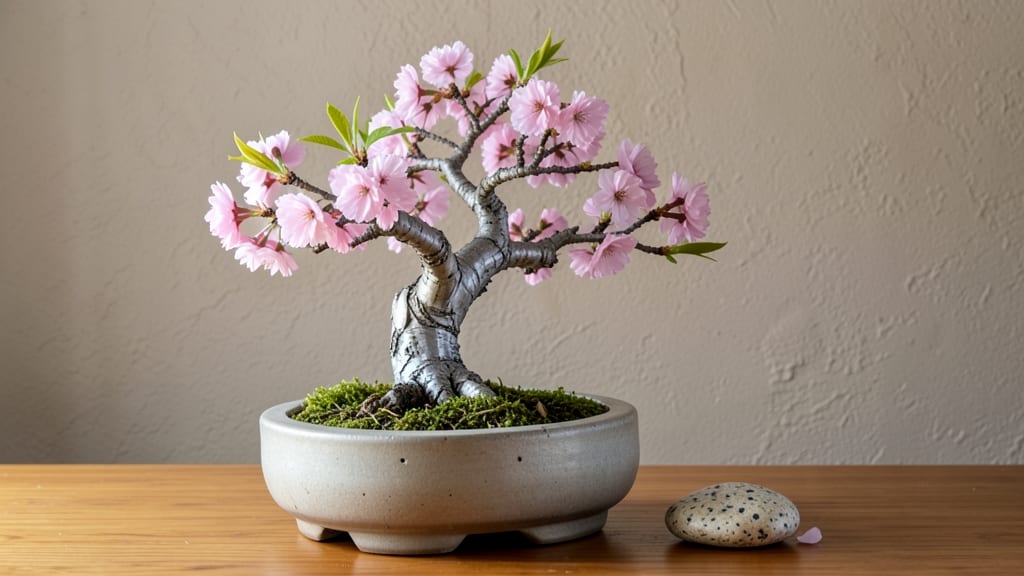
Cultivating a Japanese sakura cherry blossom bonsai tree brings spring’s fleeting magic into your home all year long—pink blossoms that defy seasons and space. I still remember the first time I saw one in full bloom indoors, its delicate petals falling like snowflakes on a windowsill.
This isn’t your average houseplant; it’s a living work of art that rewards patience with breathtaking results.
The secret lies in mimicking nature’s balance—bright, indirect light to mimic cherry tree canopies, cool nights to trigger blossoms, and a well-draining soil mix that prevents root rot.
Unlike outdoor sakura trees, bonsai thrive in containers, so we’ll focus on small pots (3-5 gallons), precise pruning techniques, and seasonal adjustments that keep those iconic blossoms coming back every year. Even beginners can master this with the right tools and a little practice.
By the time you’re done, you’ll have a tree that bursts with pale pink blossoms in winter, stays compact enough for any shelf or table, and becomes the centerpiece of your space.
The scent alone—light, sweet, and nostalgic—will make every room feel like a Japanese garden. Let’s get those tiny roots growing strong.
This guide covers everything from soil prep to winter care, including how to handle that first delicate pruning without panicking. Whether you’re working with a nursery-grown starter or grafting your own branches, the principles stay the same. Your miniature sakura will thank you with blossoms that outshine any outdoor tree.
📚 In This Guide
- What you need
- Instructions
- Tips and common mistakes
- Wrapping up and next steps
What you need
- ● Sakura Bonsai Tree: A pre-bonsai sakura (Prunus serrulata) seedling or a young bonsai starter (3–5 years old) with a sturdy trunk.
- ● Bonsai Pot: A shallow, well-draining pot (6–10 inches in diameter) with drainage holes. Pro tip: Choose unglazed clay or ceramic for breathability!
- ● Bonsai Soil Mix: A blend of 70% akadama, 20% pumice, and 10% organic matter (like compost or peat moss). Avoid heavy garden soil!
- ● Drainage Layer: Small gravel or lava rock (1–2 inches) to prevent root rot.
- ● Pruning Tools: Concave bonsai shears (for branch trimming).
- ● Sharp bypass pruners (for thicker branches).
- ● Root hook or chopsticks (for root pruning).
- ● Wire: Aluminum or copper bonsai wire (1–3mm gauge) for shaping branches.
- ● Mulch: Pine bark or gravel mulch to retain moisture and suppress weeds.
- ● Humidity Tray: A shallow tray with water and pebbles to boost humidity (sakura loves moisture!).
- ● Bonsai Fertilizer: A balanced slow-release fertilizer (like Osmocote) or liquid fertilizer (e.g., Floragro) for blooming season.
- ● Spray Bottle: For misting leaves (sakura thrives in 60–70% humidity).
- ● Support Stakes: Bamboo stakes or aluminum rods to stabilize weak branches during blooming.
- ● Sakura-Specific Care Guide: A book or app (like Bonsai Empire) for seasonal tips.
Step-by-step guide to cultivating a Japanese sakura cherry blossom bonsai
Here's how to nurture your own delicate cherry blossom bonsai with patience and precision.
🌱 Step 1: Select and Prepare the Right Tree and Soil
Choose a young Japanese sakura (Prunus serrulata) bonsai tree with a sturdy trunk and healthy branches. Look for one with a natural taper—this is key for authentic bonsai form. The tree should have at least three main branches to create a balanced silhouette.
Use a well-draining bonsai soil mix specifically formulated for deciduous trees. I like to blend 50% akadama, 30% pumice, and 20% volcanic lava rock for optimal aeration and moisture control. This mix prevents root rot while allowing water to drain freely. Avoid regular garden soil—it compacts easily and suffocates delicate roots.
☀️ Step 2: Position for Optimal Light and Temperature
Japanese sakura bonsai thrive in bright, indirect light—think morning sun with afternoon shade during hot summer months. A south- or west-facing window works well, but avoid harsh afternoon sun, which can scorch tender leaves. If natural light is insufficient, supplement with a full-spectrum grow light for 12-14 hours daily.
Maintain temperatures between 60-75°F during the growing season. In winter, the tree needs a cool dormancy period of 40-50°F to bloom properly. If your home stays too warm, place the bonsai near a cool window or use a small fan to simulate outdoor conditions.
💧 Step 3: Water and Fertilize with Precision
Water your sakura bonsai when the top ½ inch of soil feels dry to the touch. I use the "soak-and-drain" method: Place the pot in a shallow tray of water for 10-15 minutes, then let it drain completely. Never let the tree sit in standing water—this causes root suffocation. In summer, you may need to water daily, while winter care reduces frequency to every 5-7 days.
Fertilize lightly during the growing season (spring to early fall) with a balanced liquid fertilizer (10-10-10) diluted to half strength. Apply every 4-6 weeks to avoid overfeeding, which burns delicate roots. In winter, withhold fertilizer entirely to encourage dormancy. Watch for yellowing leaves—a sign of overwatering or excess fertilizer.
✂️ Step 4: Prune and Shape for Bonsai Aesthetics
Prune new growth in early spring to shape the tree and encourage branching. Use sharp bonsai shears to trim back one-third of new shoots just above a leaf node. This promotes bushier growth while maintaining the tree's natural form. Avoid heavy pruning in fall or winter, as the tree needs energy to prepare for dormancy.
Wiring branches is an advanced technique, but even beginners can gently bend young growth to create curves. Wrap aluminum or copper wire around branches and adjust weekly to avoid scarring. Remove the wire once the branch holds its new shape—usually after 6-8 weeks. Never wire during freezing temperatures, as brittle branches can snap.
⏰ Step 5: Encourage Blooms and Maintain Long-Term Health
To trigger blossoms, your sakura bonsai needs proper dormancy. Reduce watering and stop fertilizing in late fall. Place the tree in a cool, dark location (like a garage) for 6-8 weeks at temperatures between 35-45°F. This mimics winter conditions and signals the tree to bloom in spring.
After dormancy, gradually reintroduce light and warmth. You'll see buds form in late winter or early spring—this is your reward for patience! Once buds appear, avoid moving the tree, as stress can cause them to drop. Support heavy branches with small stakes if needed, and enjoy the delicate pink blossoms that last 1-2 weeks.
Tips & tricks for perfect Japanese sakura cherry blossom bonsai
Here's what I learned after years of nurturing these delicate trees—and how to avoid common pitfalls along the way.
Soil Mix Matters: When blending your 50% akadama, 30% pumice, and 20% volcanic lava rock, sift each component separately to eliminate clumps. Unsifted soil can create air pockets that trap moisture, leading to root rot. I like to mix everything in a large bucket, then gently fluff with a fork to ensure even distribution. This careful layering mimics natural forest conditions and prevents compaction.
Lighting Secret: That 12-14 hours of full-spectrum grow light makes all the difference when natural light falls short. Position the light just 6-12 inches above the tree—closer than you might think. I've seen bonsai enthusiasts place lights too far away, which weakens growth. Also, rotate your tree quarter-turn daily to prevent one-sided stretching toward the light source. This creates balanced, natural-looking growth patterns.
Watering Wisdom: The 10-15 minute soak-and-drain method works best when you monitor the water's absorption rate. If water drains through in under 5 minutes, your tree needs more frequent watering. If it takes the full 15 minutes, check again in 2-3 days. In winter, I reduce soaking to 5-10 minutes since the tree's metabolic rate slows. Always empty the drainage tray completely after watering to prevent bacterial growth.
Dormancy Timing: That 6-8 week dormancy period at 35-45°F is non-negotiable for blooms. I've tried skipping it—big mistake! Mark your calendar in late fall when you move the tree to its cool location. Use a small thermometer to monitor temperatures nightly. If your garage fluctuates above 50°F, consider a temperature-controlled storage unit or basement spot. The consistency of this cool period directly correlates with next spring's blossom quality.
Pro Tips for Japanese Sakura Cherry Blossom Bonsai Tree
- Here's what I learned after years of nurturing these delicate trees—and how to avoid common pitfalls along the way.
- Soil Mix Matters: When blending your 50% akadama, 30% pumice, and 20% volcanic lava rock, sift each component separately to eliminate clumps.
- Lighting Secret: That 12-14 hours of full-spectrum grow light makes all the difference when natural light falls short.
Frequently asked questions
about your Japanese sakura cherry blossom bonsai tree—because every blossom lover deserves clarity!How often should I water my sakura bonsai?
Water your sakura bonsai when the top 1-2 inches of soil feel dry—typically every 2-3 days in warm weather, but adjust for humidity. Overwatering is the #1 killer! Use well-draining soil and a pot with drainage holes to prevent root rot.
When will my sakura bonsai bloom?
Patience is key! A young sakura bonsai may take 3-5 years to bloom, depending on age and care. Mature trees (5+ years) bloom in spring, mimicking Japan’s iconic cherry blossom season. Prune spent flowers to encourage future blooms.
Can I keep my sakura bonsai indoors?
While sakura bonsai can live indoors, they thrive outdoors in partial sun (4-6 hours daily). If indoors, place near a bright window and supplement with grow lights. Avoid drafts or sudden temperature drops—they’re not tropical houseplants!
What if my sakura bonsai’s leaves turn yellow?
Yellow leaves usually signal overwatering, nutrient deficiency, or pests. Check soil moisture, adjust watering, and fertilize lightly with bonsai-specific food in spring/summer. Inspect for spider mites or aphids—spray with neem oil if needed.
Are there dwarf sakura bonsai alternatives?
Yes! If full sakura bonsai seem tricky, try dwarf varieties like ‘Shidarezakura’ (weeping cherry) or Prunus ‘Kanzan’ (hardier blooms). For non-blooming options, Japanese maple bonsai offers stunning foliage year-round.
Wrapping up and next steps
Growing a Japanese sakura cherry blossom bonsai tree brings a touch of serene Japanese beauty into your home—no matter the season! 🌸 These delicate trees aren’t just stunning; they’re a rewarding, lifelong project that connects you to nature’s fleeting yet breathtaking moments.
Whether you’re a beginner or a seasoned bonsai enthusiast, the key is patience, care, and a little creativity.
Ready to turn your space into a tranquil sakura sanctuary? Start by choosing your tree and gathering your supplies—then, roll up your sleeves and nurture your miniature masterpiece! 🌱 With love and attention, your bonsai will bloom year after year, filling your home with the magic of cherry blossoms.