
Trees
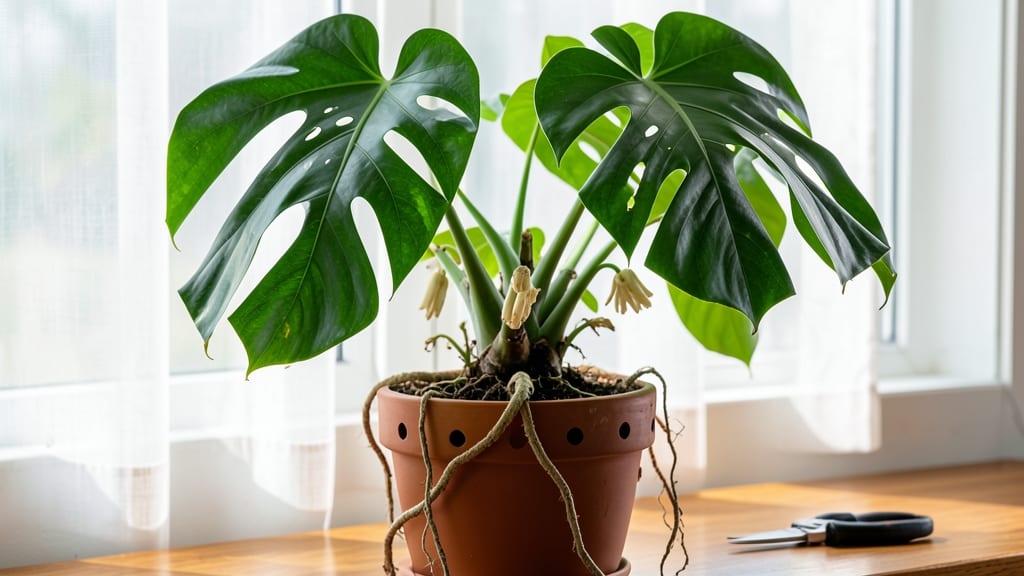
Transforming your yard with the right tropical tree types turns it into a vibrant escape—just match each plant’s native climate to your own for thriving results. 🌴 Some thrive in coastal heat, while others adapt surprisingly well to inland summers—if you choose the right varieties for your zone.
The beauty of tropical trees isn’t just their looks—it’s how they transform a space. A monstera’s massive, fenestrated leaves create dramatic shade, while a citrus tree rewards you with fragrant blossoms and fruit.
The trick is starting with hardy species like the Mexican fan palm or umbrella tree, which handle heat and drought better than fussy tropicals. Even in cooler zones, microclimates near patios or south-facing walls can stretch their growing range.
You’ll love how these trees stay vibrant year-round, their glossy foliage providing texture and movement. A well-placed bamboo screens unsightly views, while a bougainvillea bursts with color that outshines any seasonal flower bed.
The secret? Proper soil, occasional pruning, and protecting them from unexpected frosts. With the right care, your tropical oasis will feel like a vacation every day.
Whether you’re in Florida or California—or even a warm pocket of the Midwest—there’s a tropical tree that fits. Let’s match the perfect variety to your space and climate so you can enjoy that tropical escape without the travel.
📚 In This Guide
- What you need
- Instructions
- Tips and common mistakes
- Wrapping up and next steps
What you need
- ● Tropical tree saplings: Choose 3–5 varieties (e.g., Monstera deliciosa, Ficus benjamina, or Ceiba pentandra) based on your climate zone and space.
- ● High-quality potting mix: 5–10 gallons per pot (use a blend of peat, perlite, and coconut coir for drainage).
- ● Containers or planting area: For pots: 15–25 gallon containers with drainage holes (1 per tree).
- ● For in-ground planting: Well-draining soil amended with compost (1–2 cubic yards per tree).
- ● Slow-release fertilizer: 1–2 cups per tree (look for a balanced 10-10-10 or organic option like fish emulsion).
- ● Mulch: 2–3 inches of organic mulch (e.g., wood chips or bark) to retain moisture.
- ● Garden trowel or shovel: For digging and transplanting.
- ● Pruning shears: Sharp, sterilized shears for trimming.
- ● Watering can or hose: With a gentle spray nozzle for hydration.
- ○ pH testing kit (optional): To check soil acidity (ideal range: 6.0–7.5 for most tropical trees).
- ○ Support stakes (optional): For young or top-heavy trees (e.g., Ravenala madagascariensis).
- ● Sunlight assessment: Confirm your space gets 6+ hours of indirect light daily (adjust for low-light varieties like Philodendron).
- ● Climate compatibility: Verify your hardiness zone matches the tree’s needs (e.g., Cocos nucifera thrives in zones 10–11).
- ● Watering schedule: Plan for weekly deep watering (adjust for rain or drought).
- ○ Pest control plan (optional): Neem oil or insecticidal soap for aphids or spider mites.
How to select and care for stunning tropical trees
Here's how to choose and nurture these lush, sun-loving giants for year-round beauty.
🌱 Step 1: Identify Your Climate Zone and Sunlight Needs
First, check your USDA hardiness zone—most tropical trees thrive in zones 10-12, where winter temps stay above 30°F. If you're in cooler zones, opt for cold-hardy tropicals like Schefflera (umbrella tree) or Citrus × limon (lemon tree), which tolerate brief dips to 20°F. Observe your yard's sunlight patterns: full sun (6+ hours daily) suits Mango (Mangifera indica) and Avocado (Persea americana), while Fiddle-leaf fig (Ficus lyrata) and Rubber tree (Ficus elastica) prefer bright, indirect light.
I always test a spot for 3-4 weeks before planting—watch how shadows shift. Tropical trees hate sudden temperature swings, so avoid areas near drafty windows or AC vents. If your yard gets hotter than 90°F, choose drought-tolerant species like Olive (Olea europaea) or Jacaranda (Jacaranda mimosifolia) to prevent leaf scorch.
☀️ Step 2: Choose Trees Based on Growth Habits and Space
For small spaces, go with dwarf varieties like Citrus × aurantium (bitter orange, 6-10 ft tall) or Schefflera 'Amate' (3-5 ft tall). These fit patios and balconies beautifully. Larger trees like Monstera deliciosa (Swiss cheese plant, 10-20 ft) or Ceiba pentandra (kapok tree, 50-70 ft) need 15+ feet of clearance—measure your yard's height and width before selecting. Consider root spread too: Banyan trees (Ficus benghalensis) send out aerial roots that can stretch 20+ feet from the trunk.
Here's the thing—fast growers like Guava (Psidium guajava) can add 3-5 feet per year, while slow growers like Money tree (Pachira aquatica) take 5+ years to mature. If you want quick shade, prioritize fast-growing tropicals, but be ready to prune aggressively. For low-maintenance beauty, slow growers like Dracaena marginata (dragon tree) deliver elegant, long-term structure with minimal effort.
💧 Step 3: Prepare Soil and Planting Conditions
Tropical trees demand well-draining, slightly acidic soil (pH 5.5-7.0). Amend native soil with 3-4 inches of compost and 10% perlite or coarse sand to improve drainage—waterlogged roots will kill your tree within weeks. Dig a hole twice as wide as the root ball but no deeper; planting too deep suffocates roots and causes root rot. Loosen the soil at the bottom of the hole with a garden fork to encourage root spread.
For container-grown trees, remove the pot and tease apart roots if they're circling. If planting in clay soil, create a raised bed with native soil mixed with 50% coconut coir to mimic tropical forest conditions. Water deeply immediately after planting to eliminate air pockets, then mulch with 3 inches of wood chips to retain moisture and regulate soil temperature. Keep mulch 6 inches away from the trunk to prevent rot.
✂️ Step 4: Establish a Watering and Fertilizing Routine
Newly planted tropical trees need deep watering every 2-3 days until established (3-6 months), then weekly deep soakings during dry spells. You'll know it's time to water when the top 2-3 inches of soil feel dry—stick your finger in to check. Overwatering is the #1 killer; yellowing leaves or mushy stems mean you're drowning the roots. For container trees, water until it drains from the bottom, then empty the saucer to prevent root suffocation.
Feed with a balanced, slow-release fertilizer (10-10-10) every 2 months during growing season (spring-fall). Tropical trees are heavy feeders, so don't skimp—brown leaf tips signal nutrient deficiency. In winter, cut back to monthly feeding or switch to a low-nitrogen fertilizer (5-5-5) to encourage flowering. I always water before fertilizing to prevent root burn, especially with young trees.
🪴 Step 5: Prune and Protect for Long-Term Health
Prune in late winter or early spring before new growth starts. Remove dead, diseased, or crossing branches first, then thin out 1/3 of the canopy to improve airflow and sunlight penetration. Use sterilized pruners and make cuts at a 45-degree angle just above a leaf node. For fast-growing trees, prune 2-3 times per year to control size—Mango trees can become unruly without regular shaping.
Watch for pests like scale insects or mealybugs, which love tropical trees. Treat infestations early with neem oil spray or insecticidal soap. In cooler climates, move potted tropicals indoors before temps drop below 50°F—sudden cold snaps can shock even cold-hardy varieties. If you must overwinter outdoors, wrap the trunk with burlap and mulch heavily to protect roots from freezing.
Tips & tricks for perfect tropical tree selection
Between us, selecting the right tropical trees can make all the difference in your landscape's success. Here's what I've learned after years of trial and error.
Climate Matching: Pay close attention to those USDA hardiness zone numbers. I once planted a delicate Monstera deliciosa in zone 7 and lost it within weeks when temperatures dipped to 28°F. For your specific zone, cross-reference with the 20°F tolerance of cold-hardy tropicals like Schefflera or Citrus × limon. These varieties can handle brief cold snaps that would devastate more delicate species.
Sunlight Strategy: The 6+ hours of full sun requirement isn't just about duration—it's about intensity. I recommend testing potential planting spots for 3-4 weeks first. Use a simple sunlight tracker (or just mark your calendar) to see how shadows shift throughout the day. Morning sun is gentler than afternoon heat, which is why Avocado trees thrive in full sun while Fiddle-leaf figs prefer bright but indirect light.
Soil Science: That pH 5.5-7.0 range is crucial but often overlooked. I've seen tropical trees struggle in alkaline soil that should have been amended with 3-4 inches of compost and 10% perlite. For clay soil, the raised bed technique with 50% coconut coir creates the perfect tropical environment. Remember, waterlogged roots kill faster than drought—always prioritize drainage over moisture retention.
Pruning Precision: When thinning that 1/3 of the canopy in Step 5, work from the inside out. I learned this the hard way with a Mango tree that became unruly after I pruned the outer branches first. Make your 45-degree cuts just above a leaf node to encourage new growth. For fast growers like Guava, schedule pruning sessions every 4-6 months to maintain shape without stunting growth.
Pro Tips for Tropical Tree Types
- Between us, selecting the right tropical trees can make all the difference in your landscape's success.
- Climate Matching: Pay close attention to those USDA hardiness zone numbers.
- Sunlight Strategy: The 6+ hours of full sun requirement isn't just about duration—it's about intensity.
Frequently asked questions
Got questions about tropical trees?
You’re not alone! Here are answers to the most common queries to help you pick the perfect tropical tree for your space.
What are the easiest tropical trees to grow for beginners?
Start with low-maintenance varieties like the Rubber Plant (Ficus elastica) or Cast Iron Plant (Aspidistra elatior). Both thrive in indirect light and tolerate occasional neglect. For outdoor spaces, Palm Trees (e.g., Areca or Kentia) are hardy and adaptable—just ensure they get enough sunlight and water.
How often should I water tropical trees?
Watering needs vary by species, but most tropical trees prefer consistent moisture without soggy soil. Check the top inch of soil—if it’s dry, it’s time to water. During hot months, you may need to water every 5–7 days, while cooler seasons might require every 10–14 days. Always use well-draining soil to prevent root rot!
Can tropical trees survive indoors year-round?
Many tropical trees thrive indoors, like the Snake Plant (Sansevieria) or ZZ Plant (Zamioculcas zamiifolia), which need minimal light. For larger varieties, place them near a bright window or under grow lights. Just mimic their natural habitat: humidity (40–60%), indirect light, and occasional misting.
How do I prevent pests like spider mites or mealybugs?
Pests love tropical trees! Inspect leaves regularly for webbing, sticky residue, or tiny bugs. Treat infestations early with neem oil or insecticidal soap. Boost plant health by keeping them clean (wipe leaves with a damp cloth) and avoiding overwatering, which attracts pests. Quarantine new plants to prevent spreading issues.
What’s the best temperature range for tropical trees?
Most tropical trees prefer 65–80°F (18–27°C) during the day and above 60°F (15°C) at night. Avoid drafts (like AC vents or cold windows) and sudden temperature drops. If you live in a frost-prone area, move potted trees indoors or use frost cloths for outdoor varieties like Mango or Avocado trees.
Wrapping up and next steps
From towering kapoks to fragrant frangipani and resilient banyans, tropical trees bring life, shade, and beauty to any landscape—no matter the season! 🌿 Whether you're dreaming of a lush backyard oasis or simply want to add vibrant greenery, these exotic varieties offer endless possibilities.
The key? Choose wisely, plan for their needs, and watch your space transform into a tropical paradise.
Ready to take the next step? Start small:
- Pick one or two trees that match your climate and space.
- Research local nurseries or online sellers for healthy saplings.
- Get planting—and enjoy the journey! 🌱